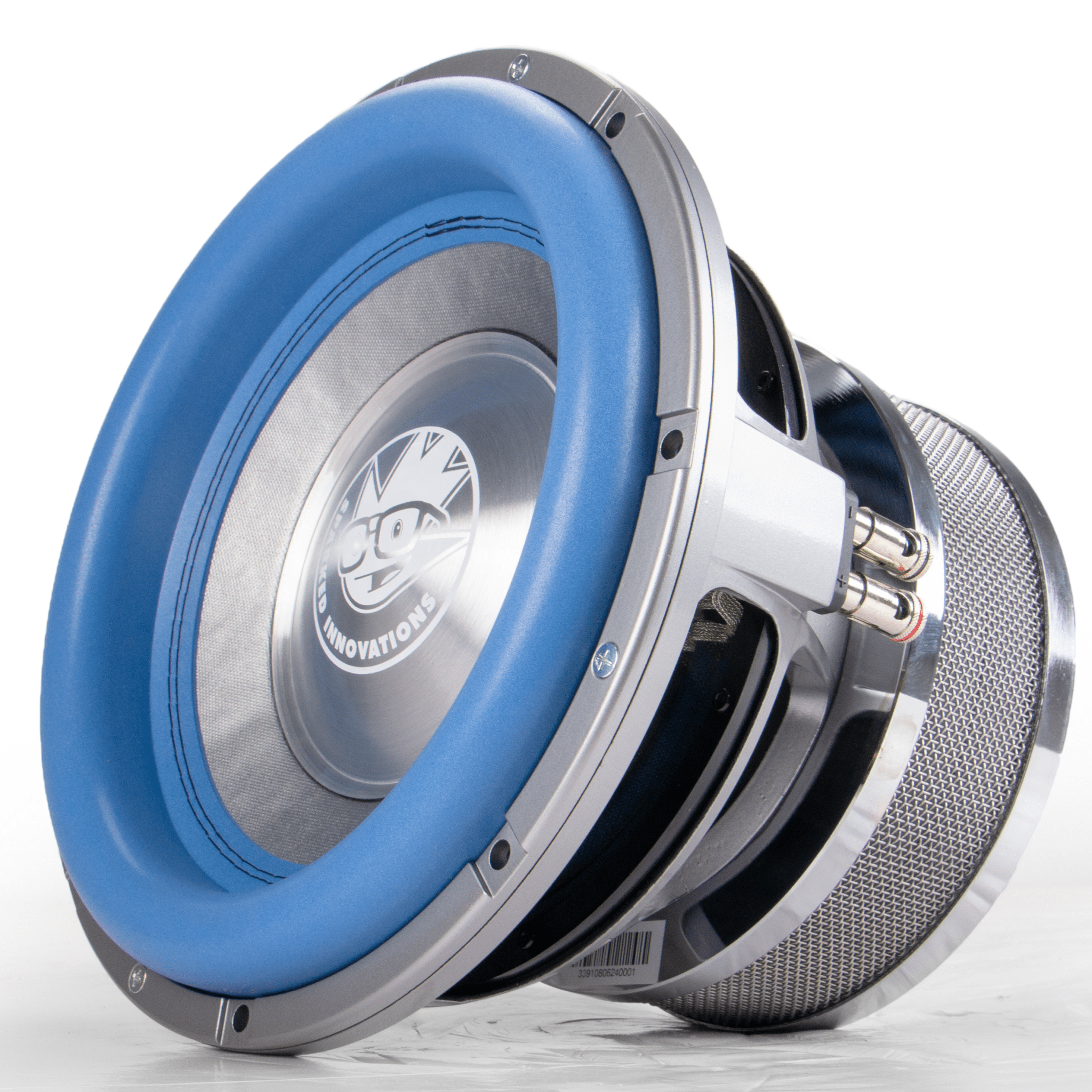
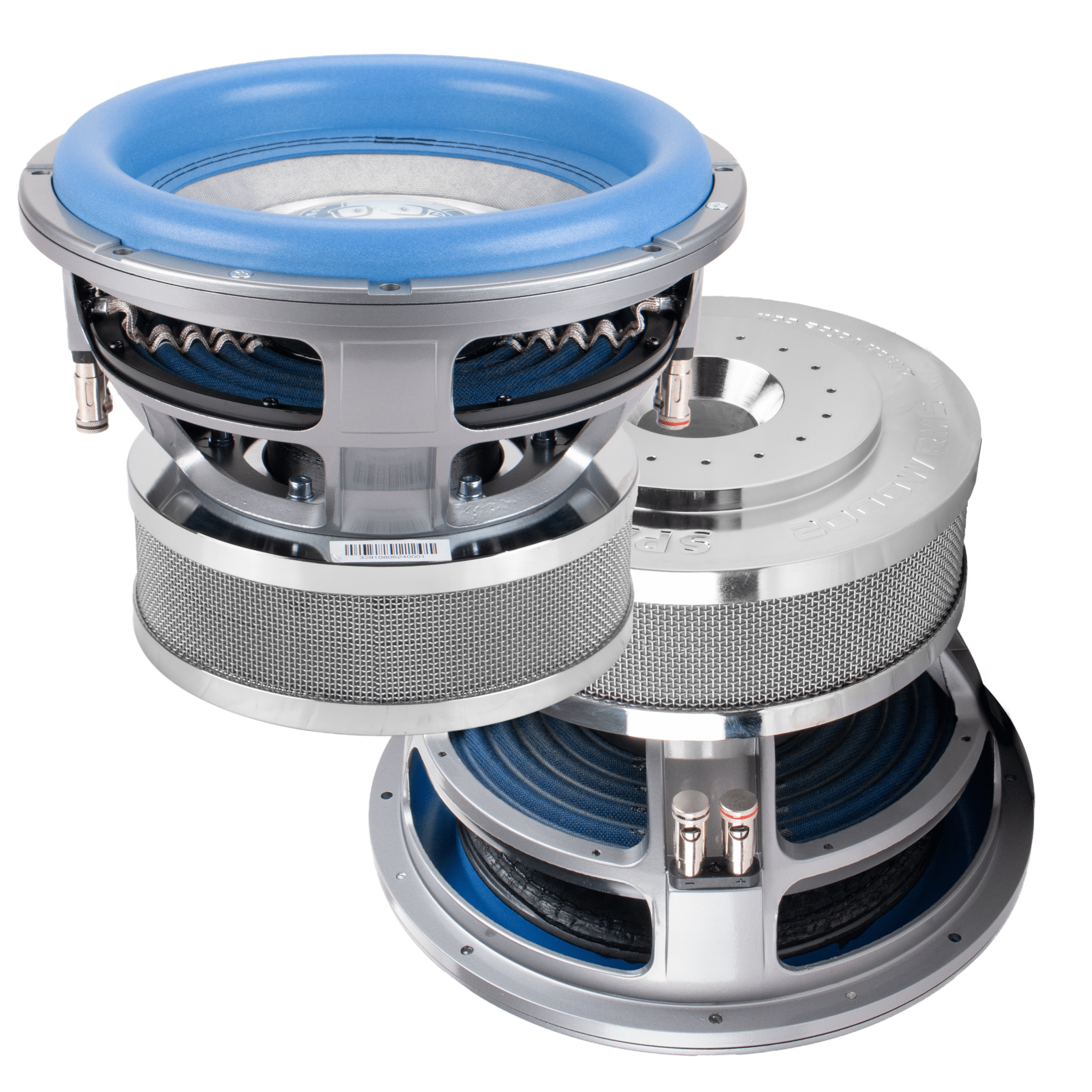
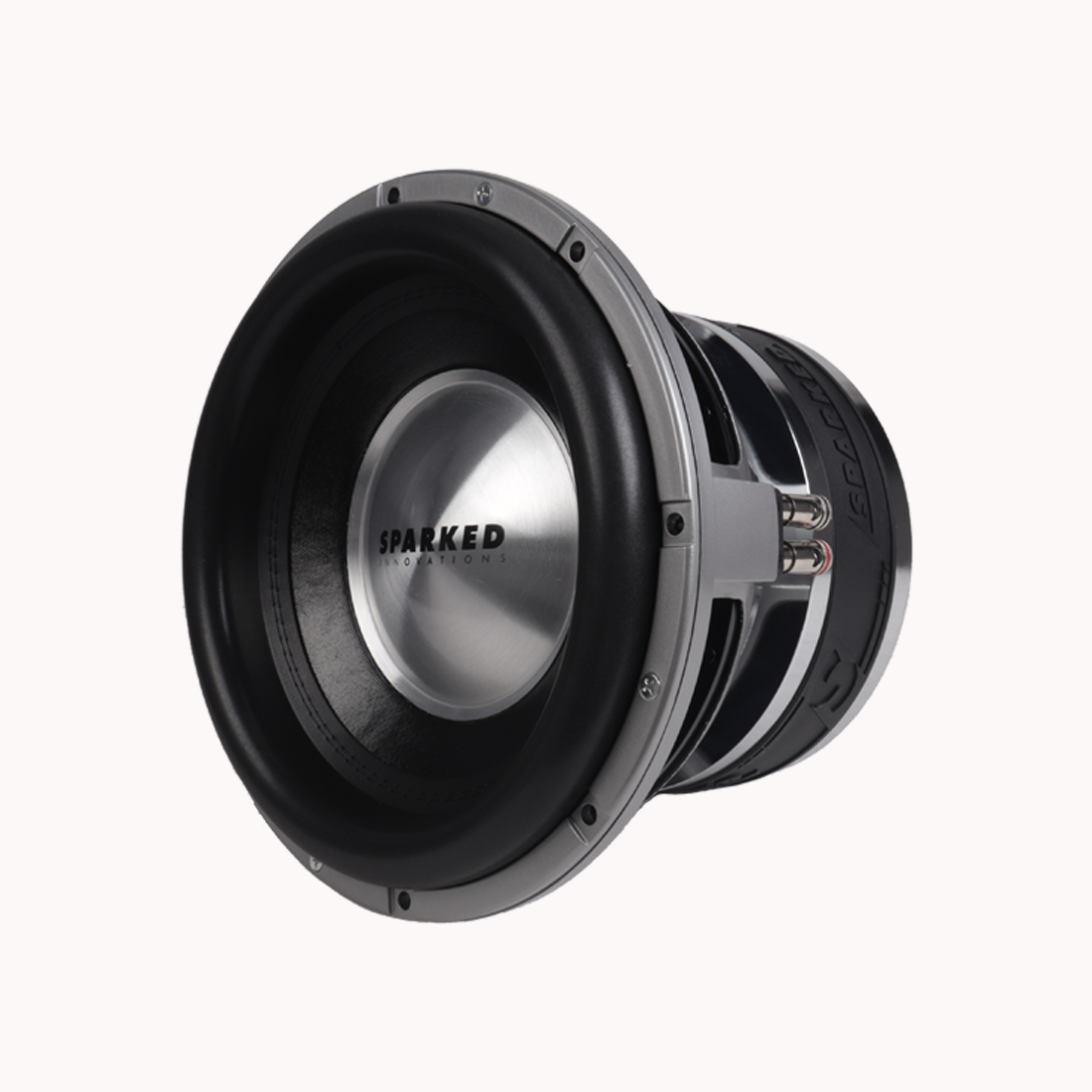
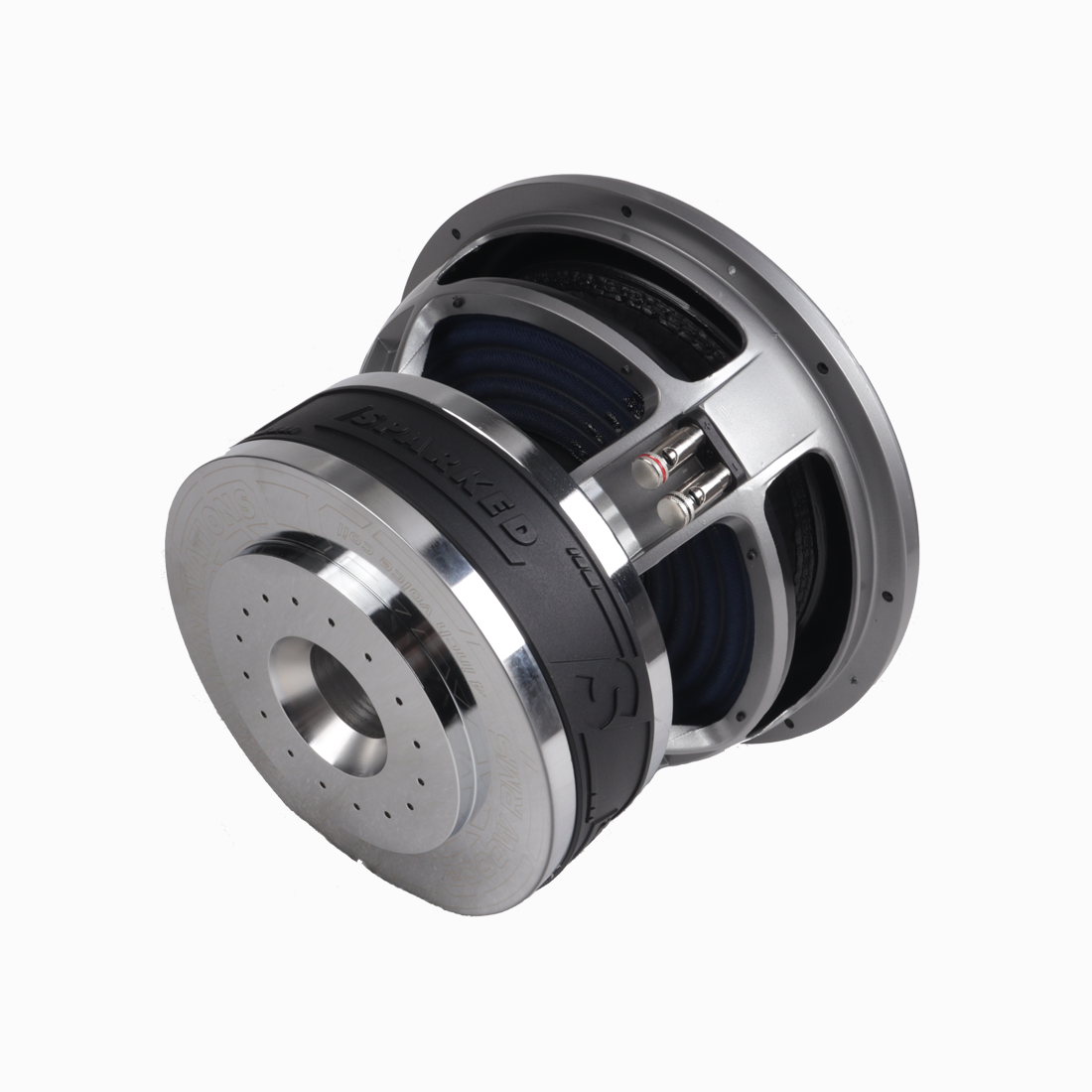
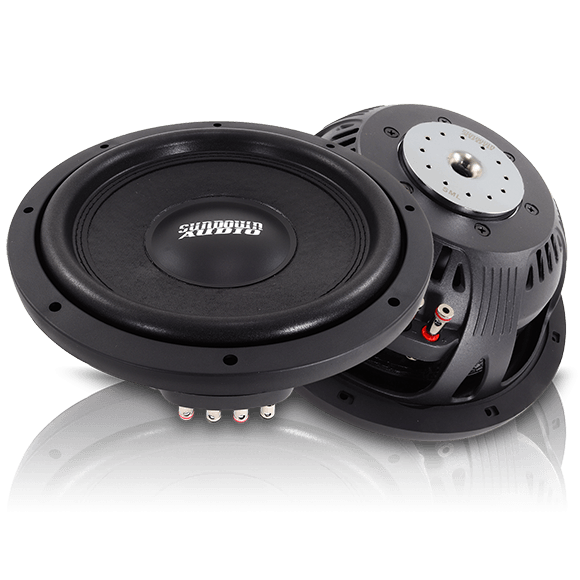
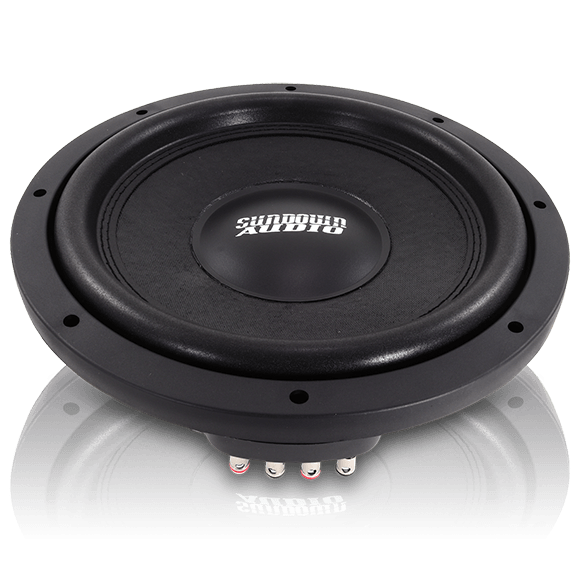
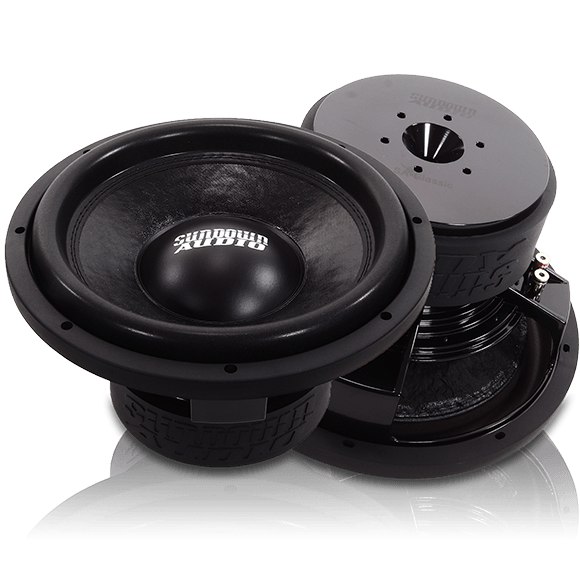
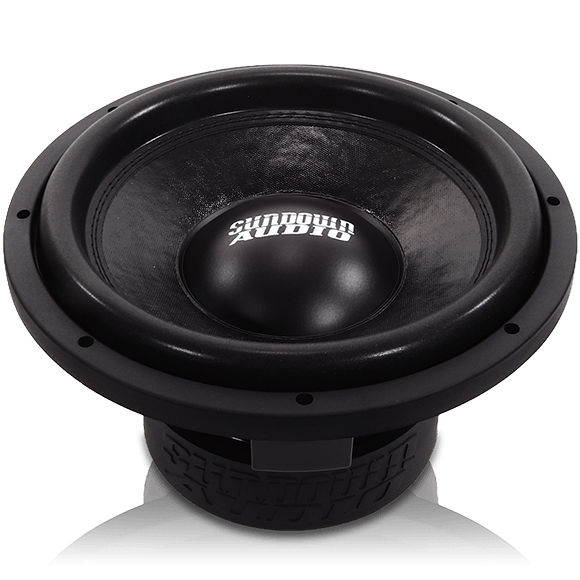
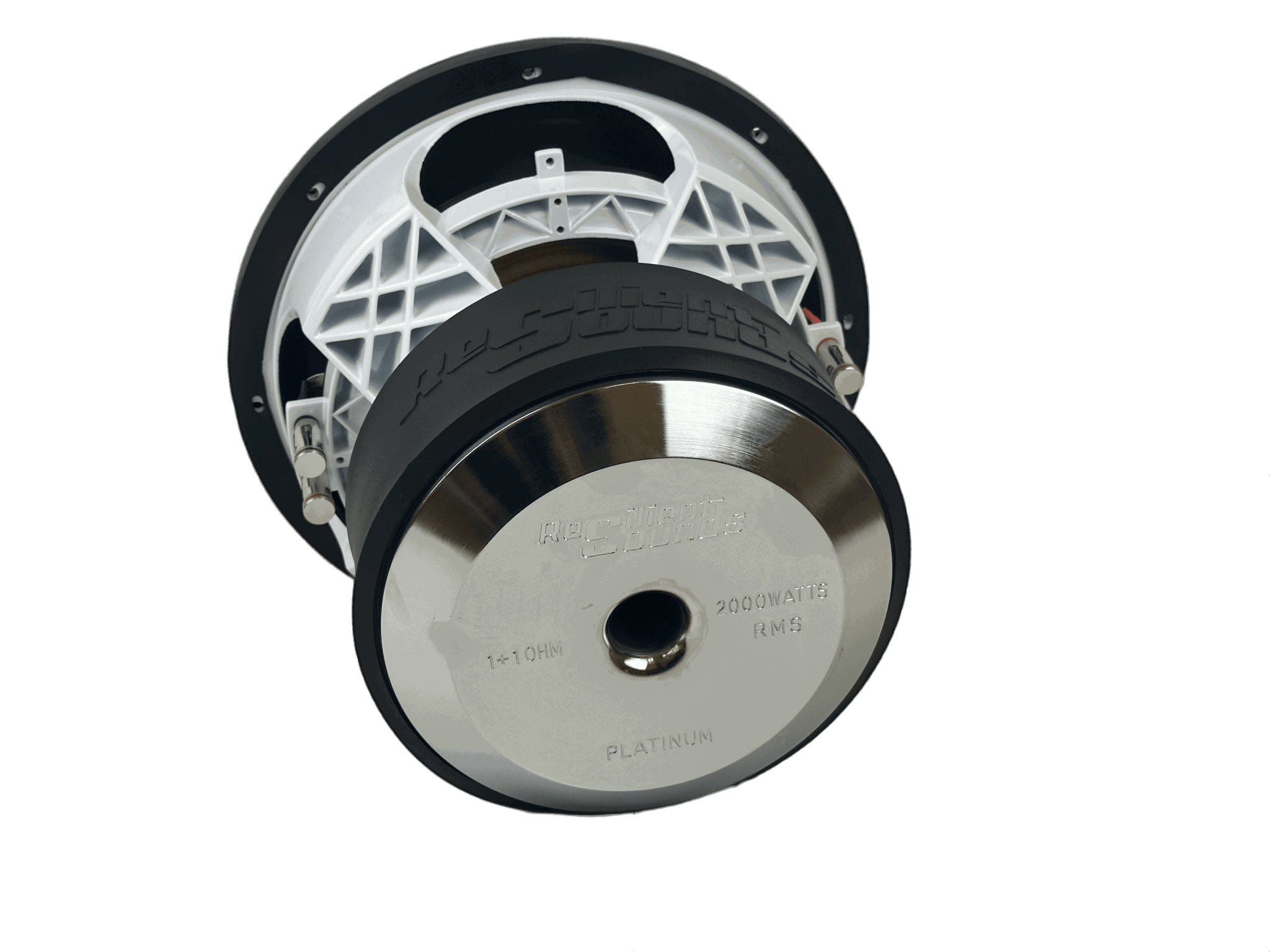
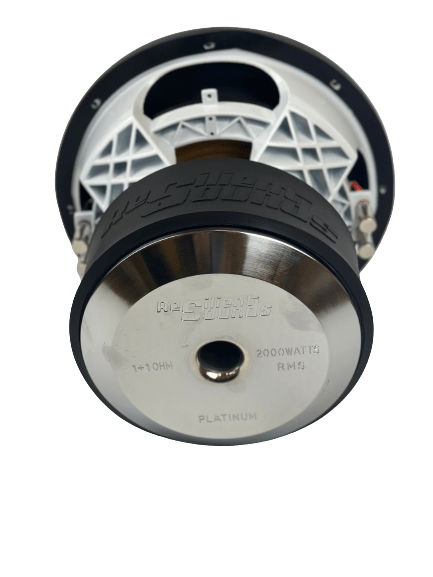
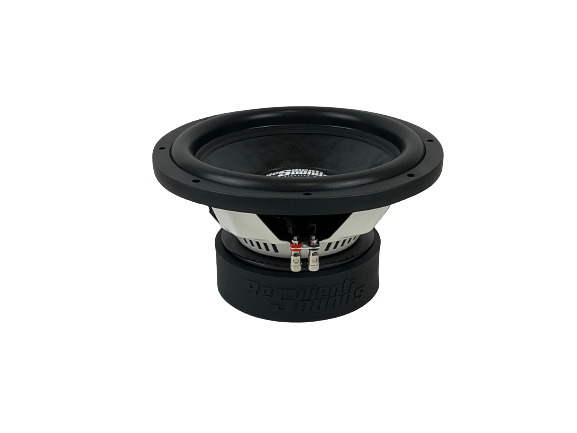
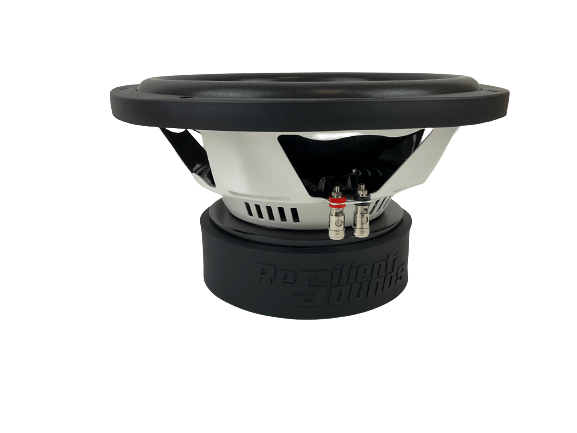
The 12-Inch Sweet Spot: Why the SA-Series Anchors the Industry
The 12-inch subwoofer dominates car audio for a single physical reason: it lands at the intersection of cone area and enclosure budget where most vehicles can produce real low-end without sacrificing trunk space. A 10-inch driver doesn't move enough air to hit the bottom octave with authority; a 15-inch demands enclosure volumes that cost you cargo. The 12-inch is the size the engineering math actually works for.
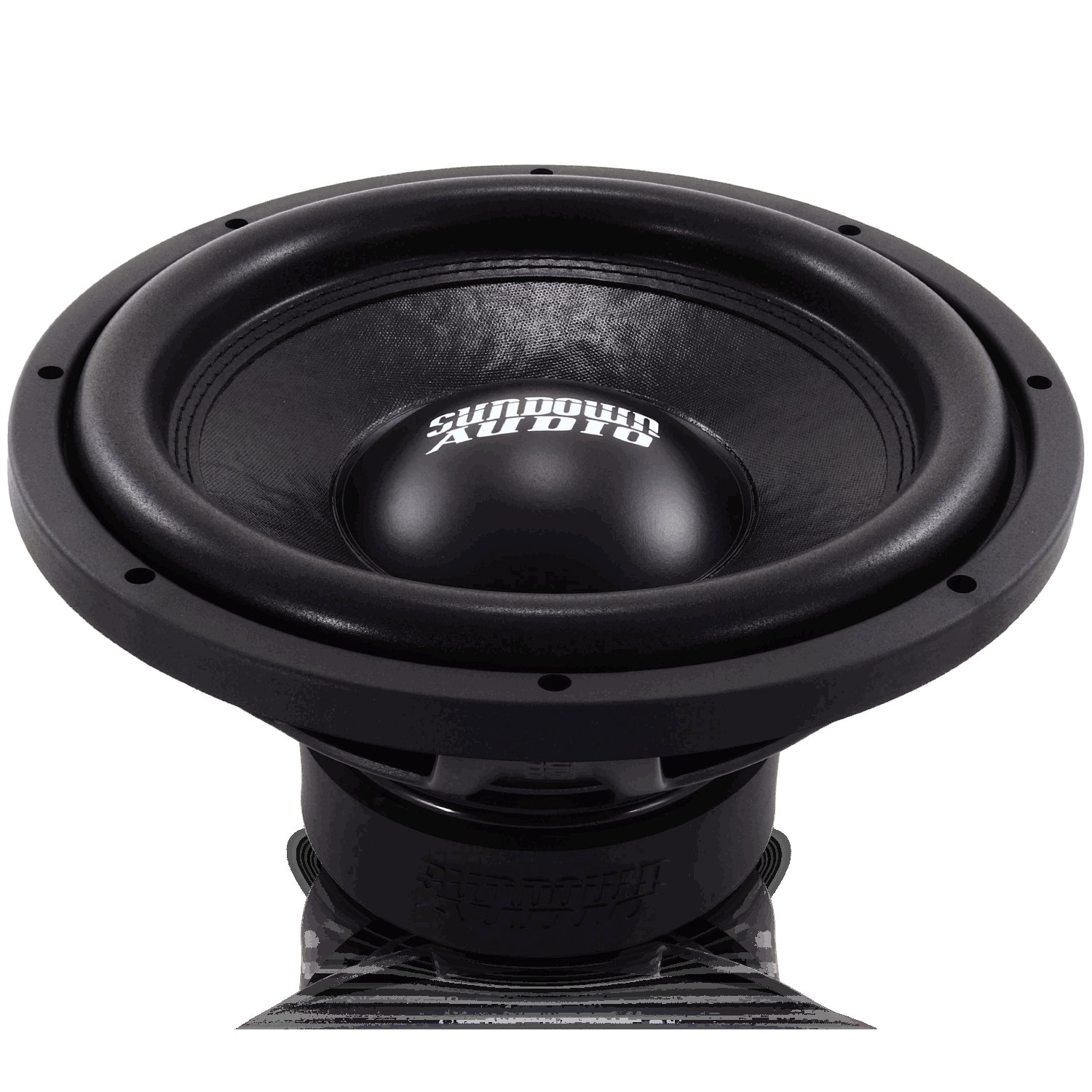
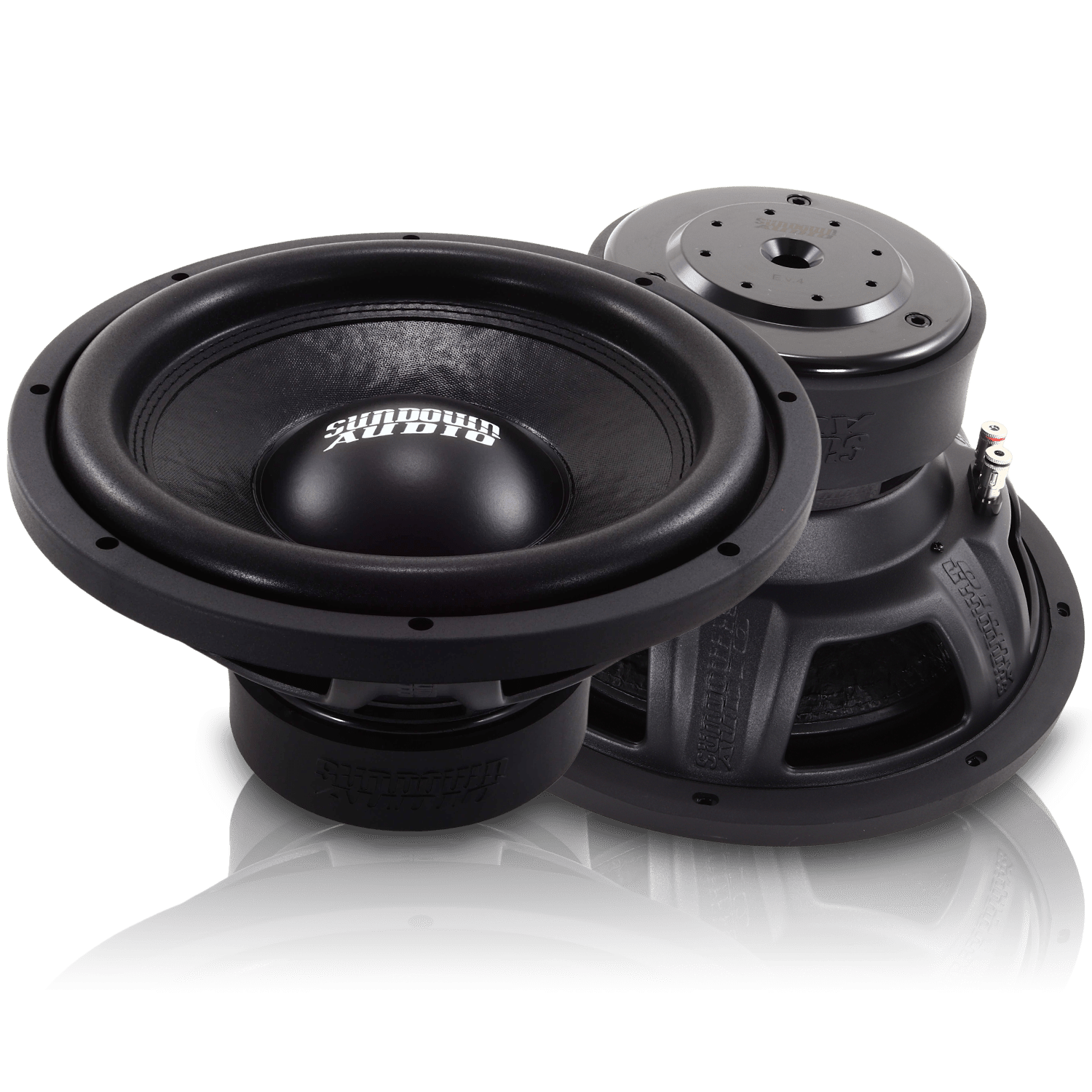
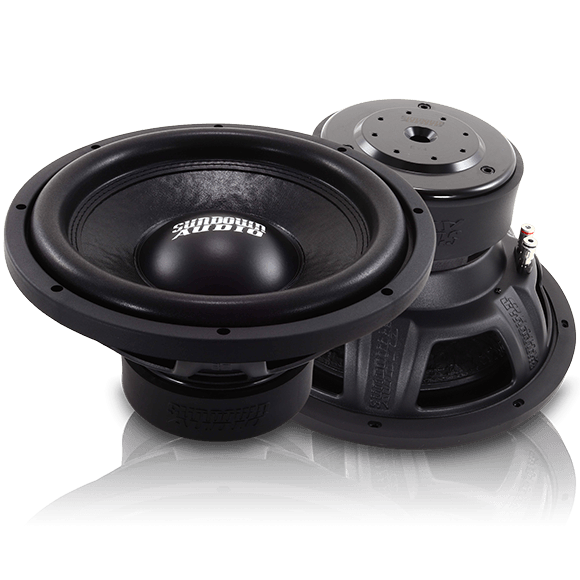
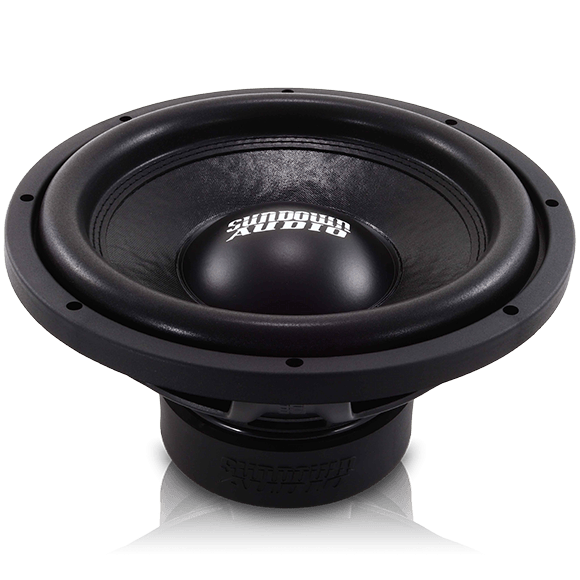
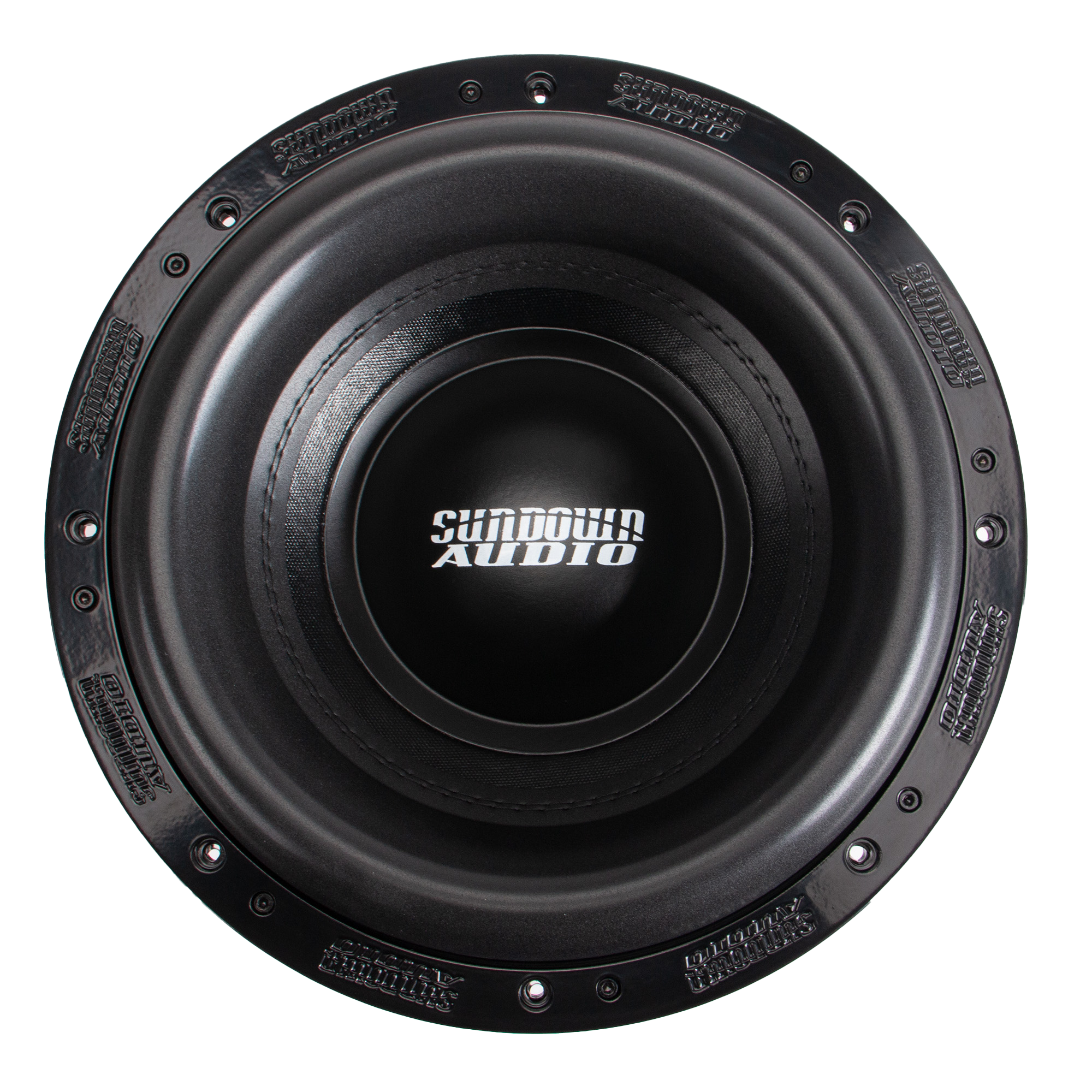
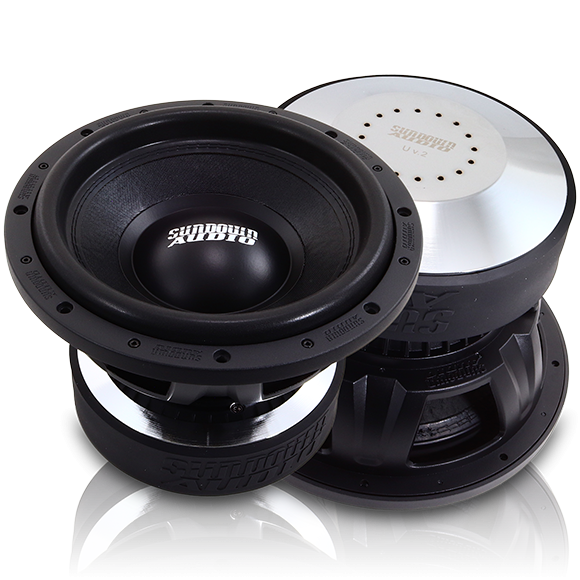
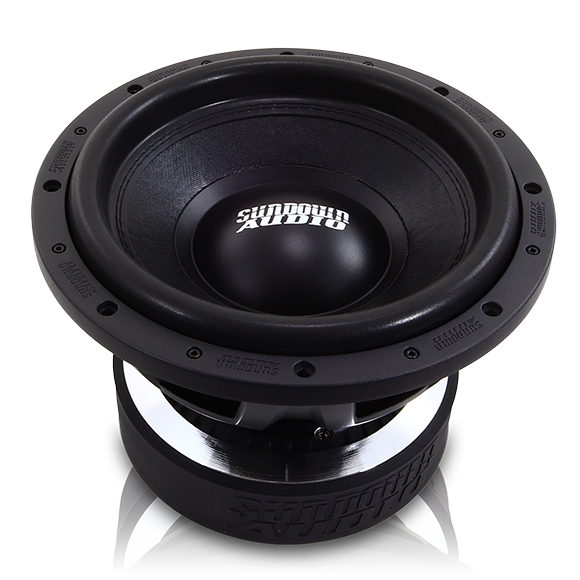
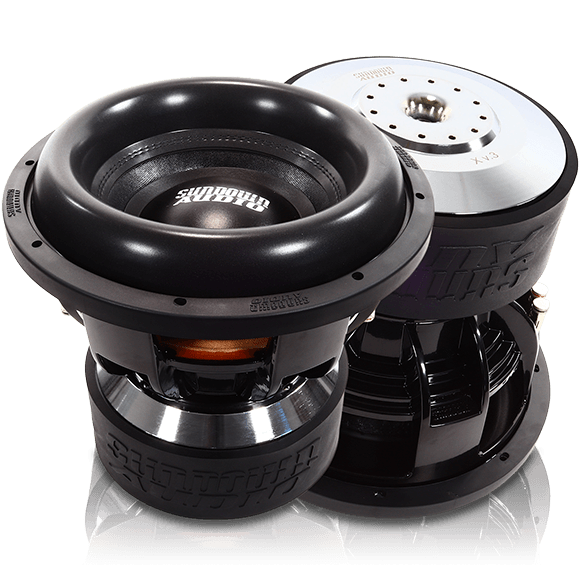
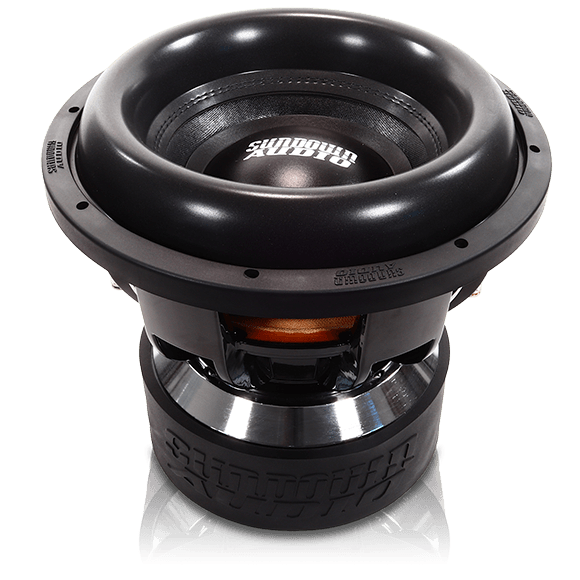
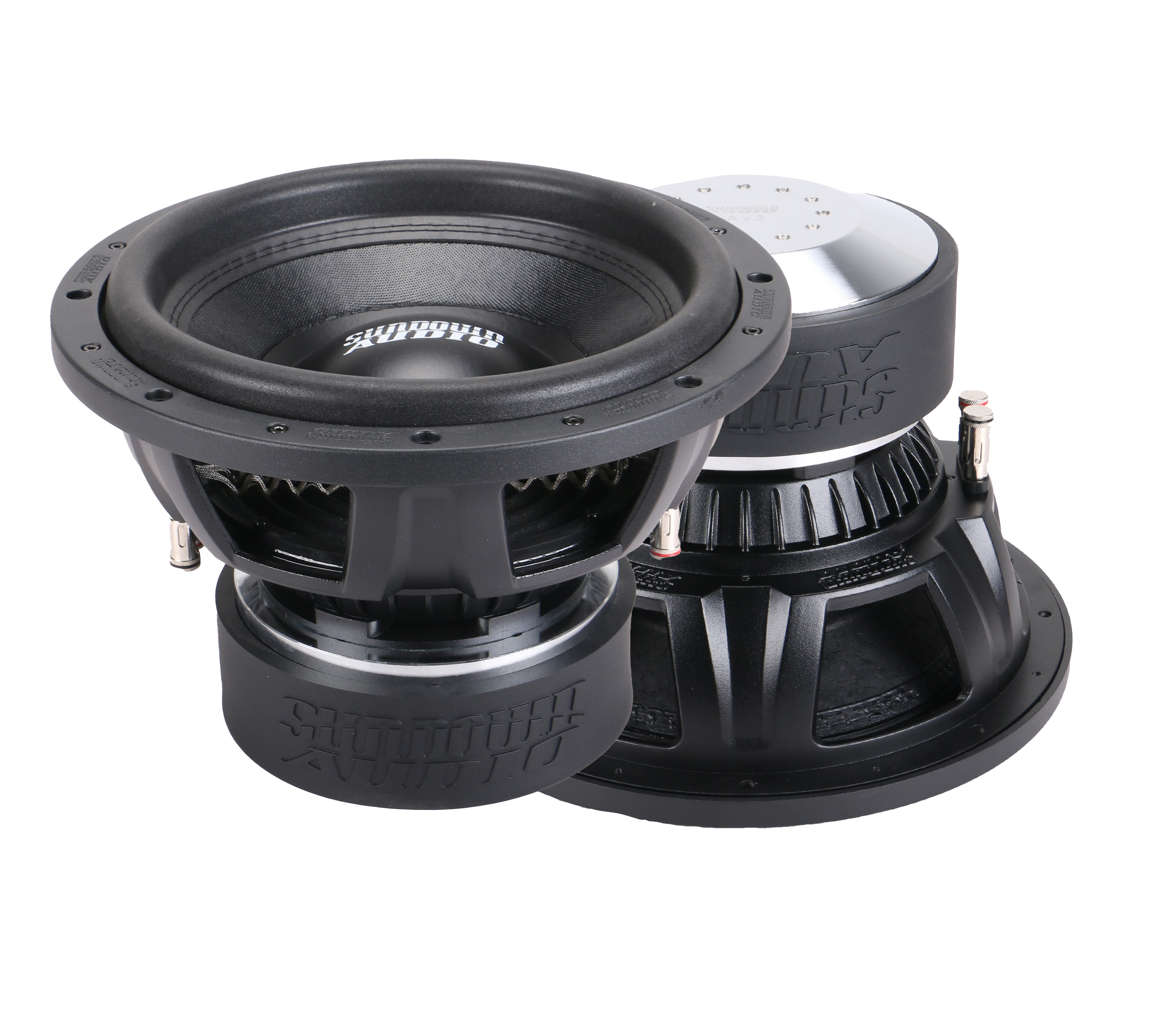
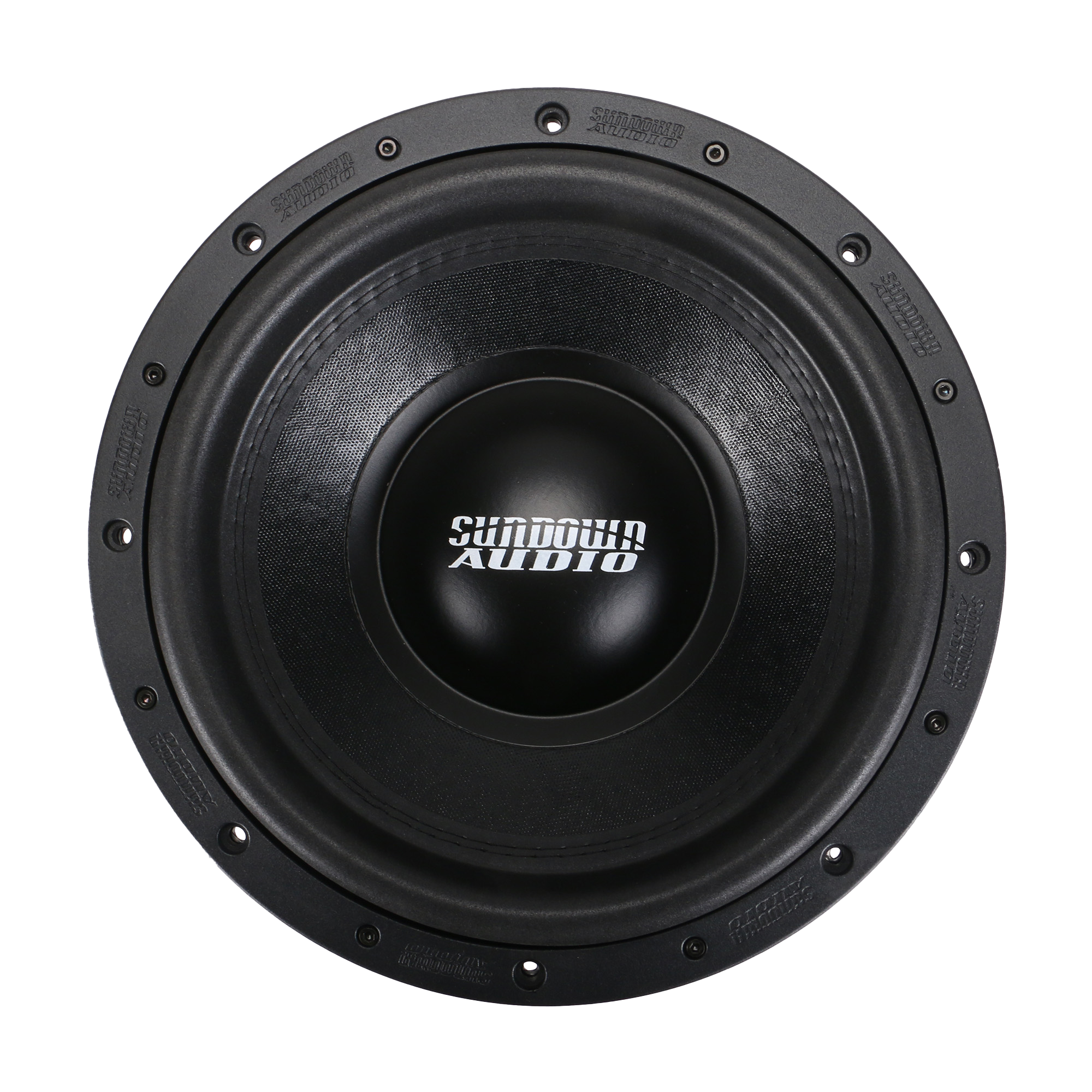
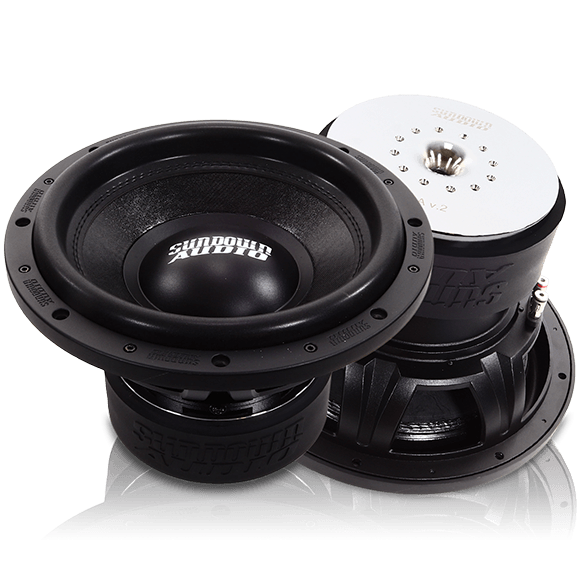
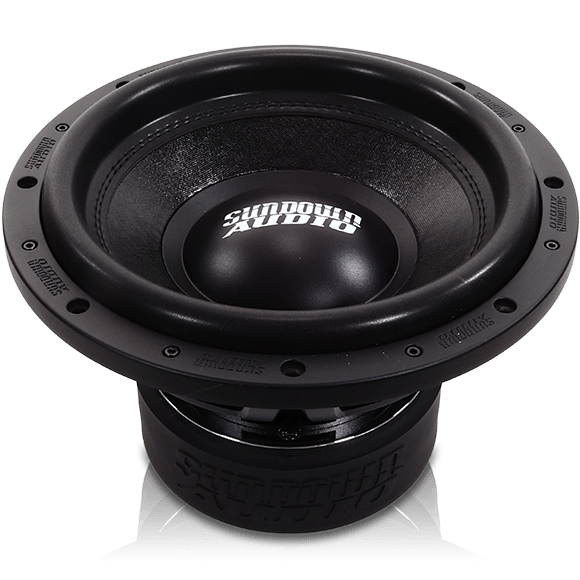
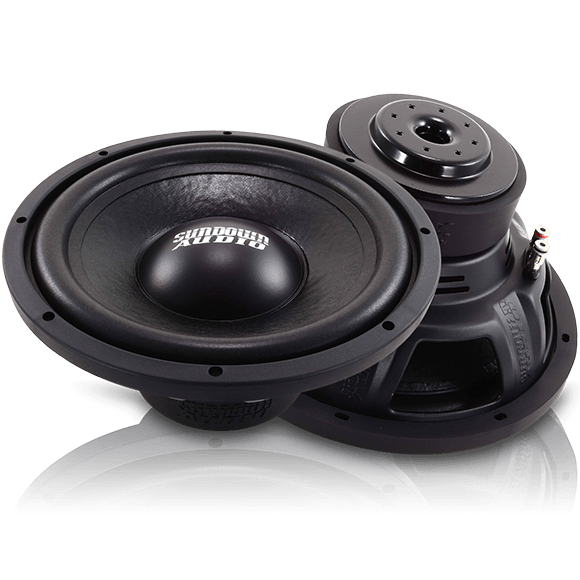
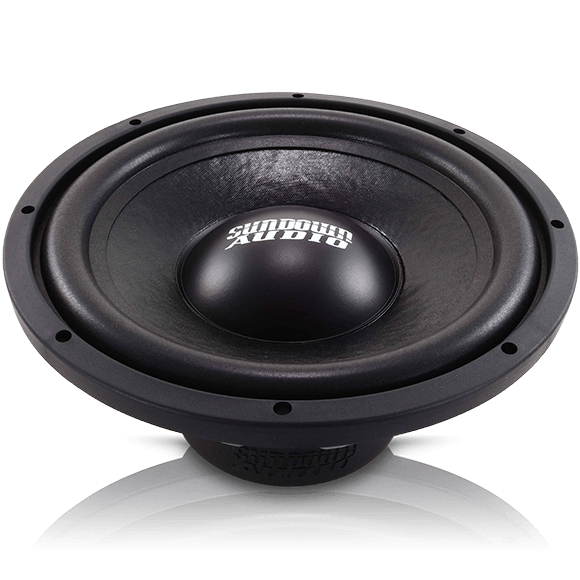
Among 12-inch subs, the Sundown SA-Series v.2 is the reference point most installers compare every other driver to. With Fs at 38.87 Hz, Qts at 0.46, and Vas at 26.29 liters, it's a textbook well-balanced car-audio driver — designed to behave linearly inside small ported enclosures with predictable port loading. That spec sheet is why the SA-12 v.2's recommended 1.75 cu ft net ported, tuned to 35 Hz, became a de facto industry standard for 12-inch enclosures.
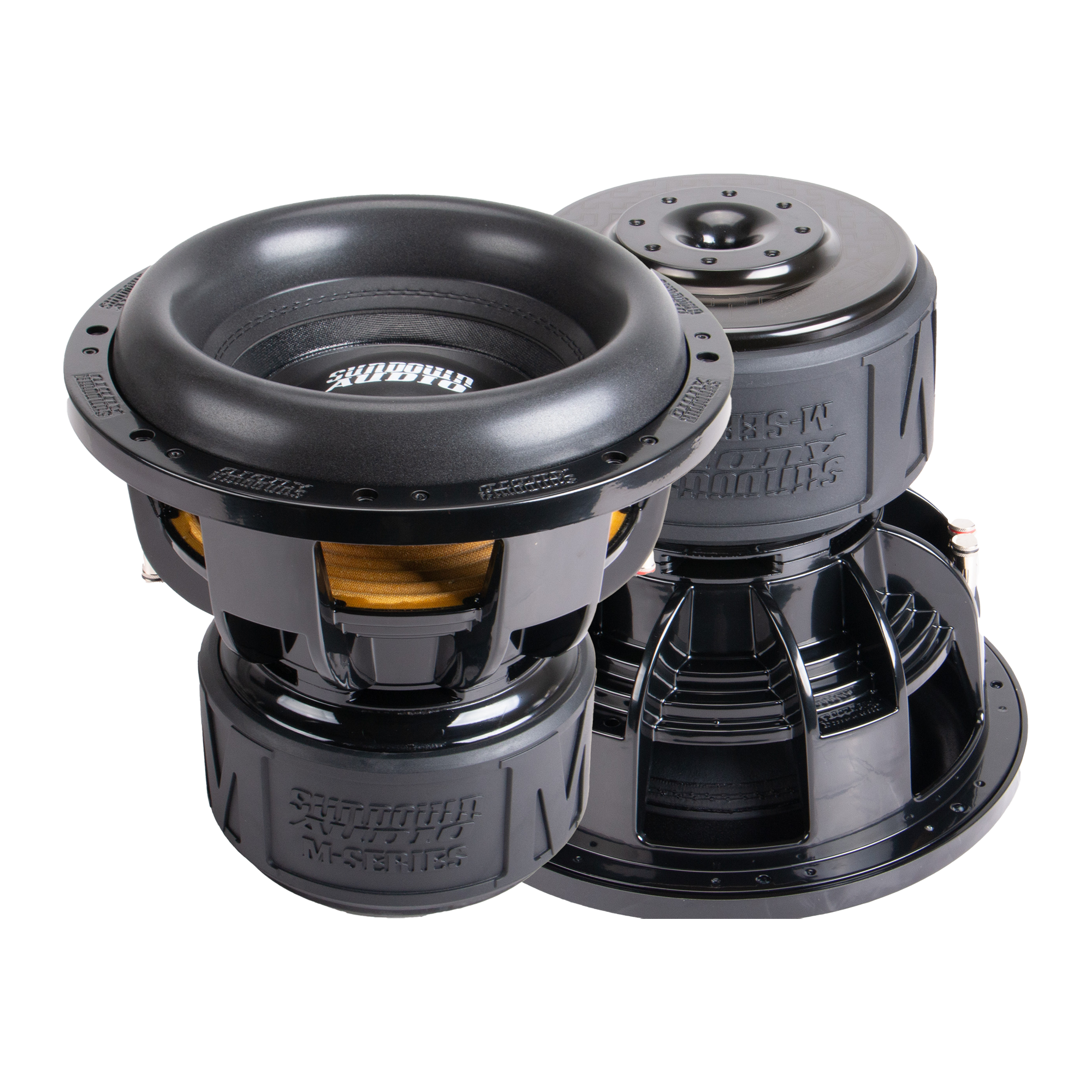
Hedge worth knowing: while the SA-12 v.2 anchors at 1.75 cu ft, competition-grade drivers with larger motors — like the X-12 — often demand up to 3.0 cu ft to breathe correctly. There is no universal "right answer" for 12-inch enclosure volume; there's a manufacturer-recommended answer per driver, anchored on the motor's actual physics.
Reading RMS Power Honestly
The single biggest source of disappointment in car audio comes from buying based on peak power numbers. Peak power is what a driver can survive for milliseconds of program transient — it's a marketing number. RMS is what it can dissipate continuously without burning the voice coil.
The SA-12 v.2 publishes 1000W RMS on its original Klippel sheet (the current Sundown product page lists 1250W RMS / 2500W peak after a power-handling re-rating). The SA-12 v.3 lifts that to 1500W RMS / 3000W peak, with Xmax growing from 19mm to 22mm one-way. The X-12 v.3 sits at 2500W RMS / 5000W peak.
A common rule of thumb that actually works: pair the amplifier's RMS rating to 80–100% of the driver's RMS rating, on a clean signal (no clipping). Underpowering an amp into clipping is more damaging than running rated power cleanly.
Enclosure Physics: Volume, Tuning, Port Area
Recommended enclosure volumes aren't arbitrary. They're the result of solving for an alignment where the driver's compliance, the enclosure's compliance, and the port's loading all hand off the bass region without overshooting (a sloppy boom) or undershooting (a peaky, one-note thump).
For the SA-12 v.2, Sundown's official enclosure recommendation is 1.75 cu ft net (after port and bracing displacement) tuned to 35 Hz. Sundown-compliant prefab boxes (TruSpec, BigJeff) ship that same volume with 26 in² of port area — the minimum viable port size for a sub moving 19mm of one-way excursion.
Three pieces of that recommendation matter:
- Net volume after motor displacement. "Net" means after the port, the sub itself, and any internal bracing volume is subtracted. The motor assembly alone on a 12-inch sub displaces 0.10–0.20 cu ft inside the enclosure — a 2.0 cu ft external box drops to roughly 1.8 cu ft of usable air once the driver is mounted, before you even count the port. Larger competition motors (X-12 v.3) displace more. Always verify net volume after every component is accounted for.
- Port area is non-negotiable. A 12-inch sub moving 19mm one-way is shoving a lot of air through the port. The 26 in² minimum prevents port chuffing — the audible turbulent noise that tells you the port is undersized and choking. Prefab boxes commonly ship with 12–16 in² ports. They look fine; they sound terrible above moderate volume.
- Tuning frequency sets your output curve. 35 Hz is a daily-driver tune: punchy, articulate, with usable output to about 29 Hz (-3dB). Lower tunings (30 Hz, 28 Hz) trade midbass slam for low-end extension; higher tunings (38–40 Hz) trade extension for cone control and louder bass-line response.
The Generation Question: SA-12 v.2 vs v.3
The SA-12 evolved between v.2 and v.3 in ways that matter for enclosure planning. The v.3's Mms (moving mass) is roughly 45% heavier than v.2's — the heavier cone and motor assembly are what enable the higher Xmax (22mm vs 19mm) and the 1500W RMS handling.
The practical consequence: a v.3 needs a more capable amplifier to deliver the same transient snap as a v.2. Heavier mass means more amplifier current required to accelerate it. The v.3 isn't a drop-in replacement for the v.2 in an existing system; it's a step-up that often pulls the rest of the system (amp, electrical) along with it.
Manufacturer-Verified Klippel Parameters (SA-12 v.3): the figures below are reconciled against the SA-12 v.3 Klippel measurement sheets — the gold-standard parameter dataset for moving-coil drivers. The published cut-sheet carries a decimal-shift typo on the inductance figure; the values cited here reflect the physical measurement, not the printed number.
- Fs (Resonance): 35.0 Hz (D2 and D4)
- Qts (Total Q): 0.428 (D2) / 0.424 (D4)
- Vas (Compliance): 22.188 L (D2) / 19.22 L (D4)
- Le (Inductance): 3.18 mH (D2) / 4.64 mH (D4)
These parameters confirm what the v.2 → v.3 arc implied at the marketing level: a slightly lower resonance, comparable Qts, and a heavier moving system that wants modestly more enclosure volume than the v.2's 1.75 cu ft anchor for an equivalent ported alignment. Recommended enclosure volumes for the v.3 should still be confirmed against the cut-sheet for the specific D2 vs D4 wiring you're building around.
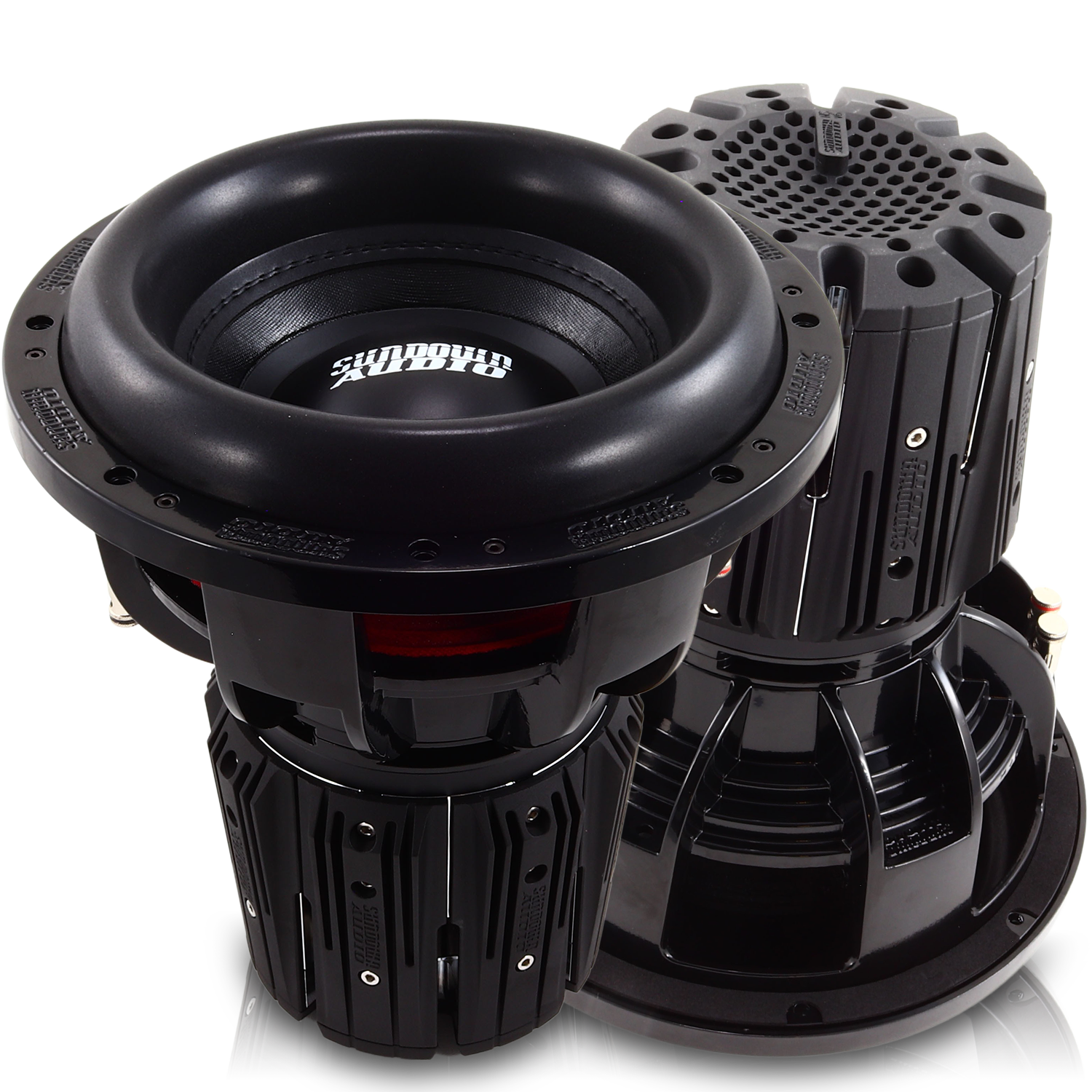
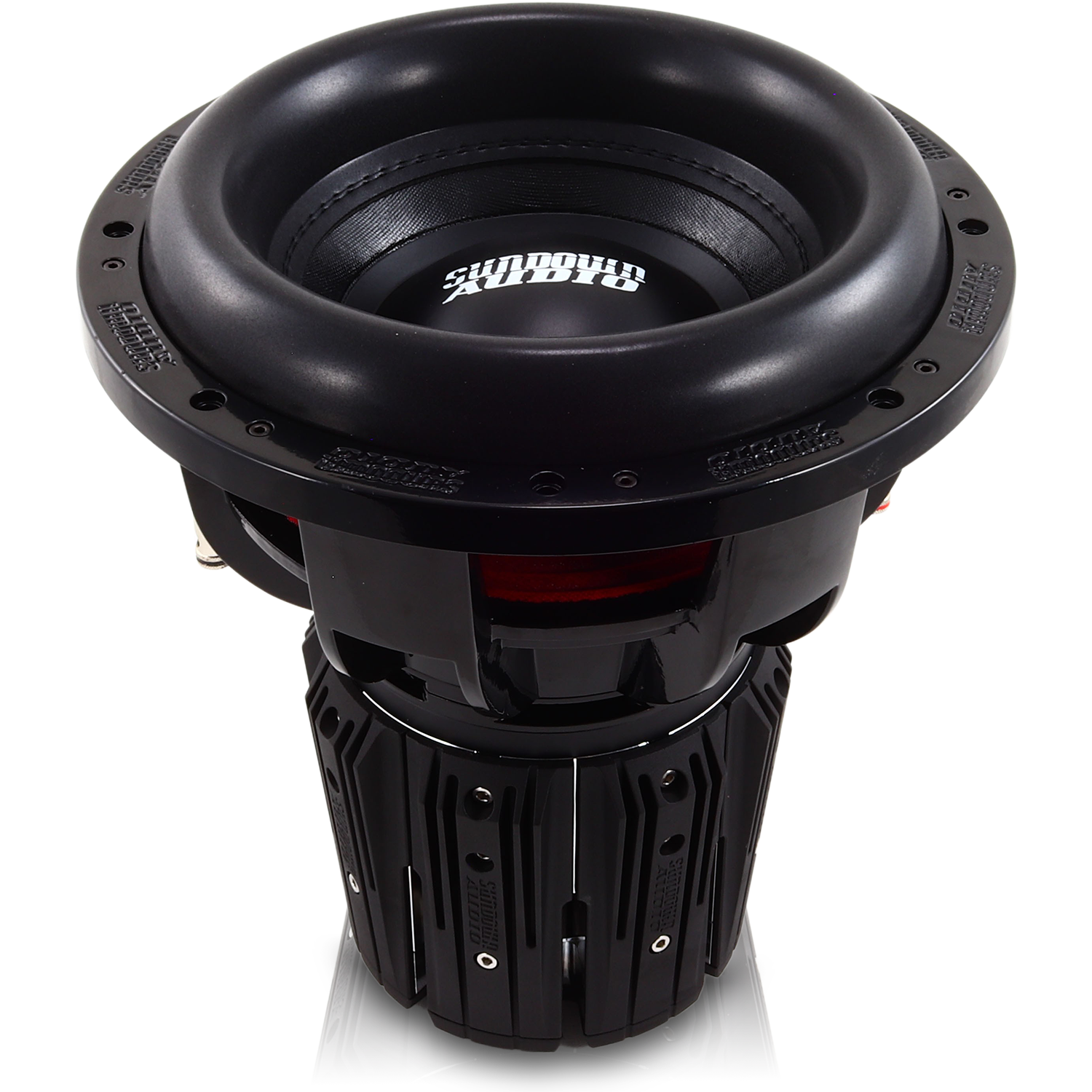
Competition Grade: The X-12 v.3
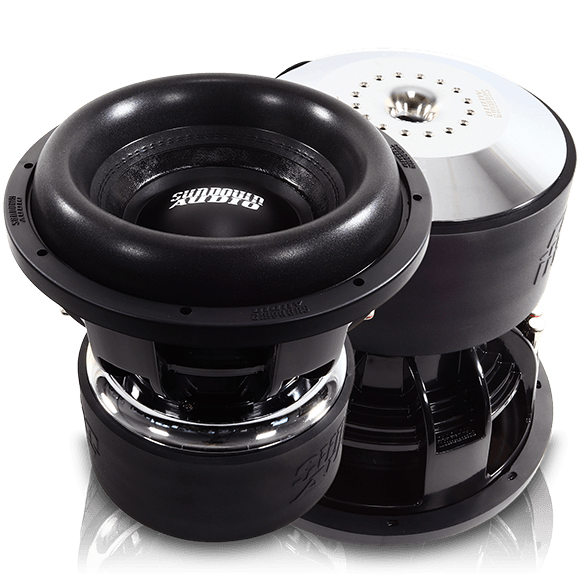
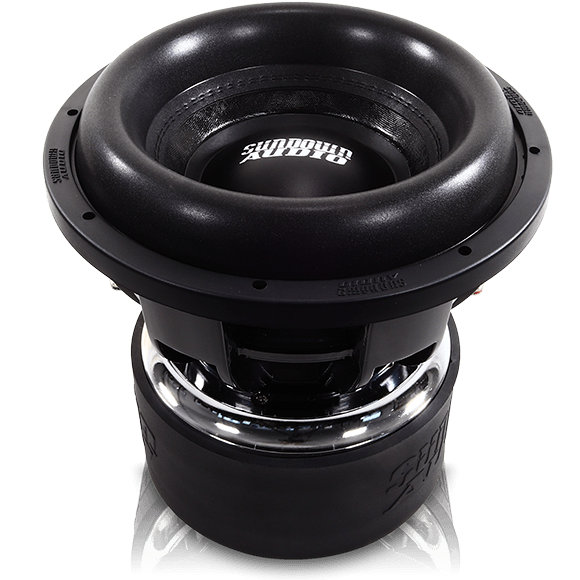
The X-Series steps the platform from "high-output daily" into "competition SPL." The X-12 v.3 carries:
- 3-inch voice coil former (vs 2.75" on the SA-Series) — more wire in the gap, more thermal mass, more sustained power handling
- Approximately 25mm one-way Xmax (~50mm peak-to-peak excursion)
- 2500W RMS / 5000W peak
- D1 / D2 voice coil options for matching to higher-current monoblock amplifiers
At this power level, the subwoofer is no longer the bottleneck — the electrical system is. A 2500W RMS load on a 12V system pulls roughly 200A at peak draw. Stock alternators max out around 130–150A and have no headroom for that. Plan for: a high-output alternator, 1/0 AWG OFC power and ground runs, and either a secondary AGM bank or LTO (Lithium Titanate Oxide) cells to stabilize voltage under load. If voltage drops below 12.5V at the amplifier under load, your electrical is the limit, not your sub.
Voice Coil Wiring: Hitting Your Amplifier's Sweet Spot
Modern Class D monoblocks publish their RMS rating at a specific impedance — typically 1Ω, 2Ω, or 4Ω. Wiring your subwoofer's voice coils to land on that target impedance is what unlocks the amp's rated output.
For a single Dual 2-ohm sub (D2):
- Series wiring = 4Ω load (mild)
- Parallel wiring = 1Ω load (full output)
For a single Dual 4-ohm sub (D4):
- Series wiring = 8Ω load (very mild)
- Parallel wiring = 2Ω load
For two D2 subs:
- All series = 8Ω
- Series-parallel = 2Ω
- All parallel = 0.5Ω (rarely amplifier-stable)
The rule: pick the sub's coil configuration based on what your amplifier is rated for, not the other way around. A Sundown SAEv.4-1500 amplifier rated 1500W @ 1Ω wants either a single D2 wired parallel or two D4s wired series-parallel. Mismatching the load by half costs you half your power.
Sources and Verification
The technical specs cited above are sourced from Sundown Audio's published product pages and the Klippel measurement sheets reproduced by authorized dealers (WoofersEtc for the SA-12 v.2, VexProAudio for the X-12 v.3). Enclosure recommendations are anchored on Sundown's official spec sheet and the Sundown-compliant prefab enclosures from TruSpec and BigJeff Audio.
What this guide deliberately doesn't cite
We don't publish numbers we can't verify. A few specs the buying guide intentionally leaves uncited:
- X-12 v.3 recommended enclosure volume and port tuning — the manufacturer has not published these in a publicly accessible document. Enclosure design for the X-Series should be confirmed against Sundown's cut-sheets via an authorized dealer.
If you're building for one of these specific drivers and need numbers we don't list, reach out to Sundown Audio directly or contact us for an authorized-dealer consultation.