Filters

Amplifiers

102 products

Showing 1 - 24 of 102 products

Transform your car's audio system with powerful amplifiers. Explore our expert tips and top recommendations to elevate your sound experience on the road.

Showing 1 - 24 of 102 products
View
Save 13%
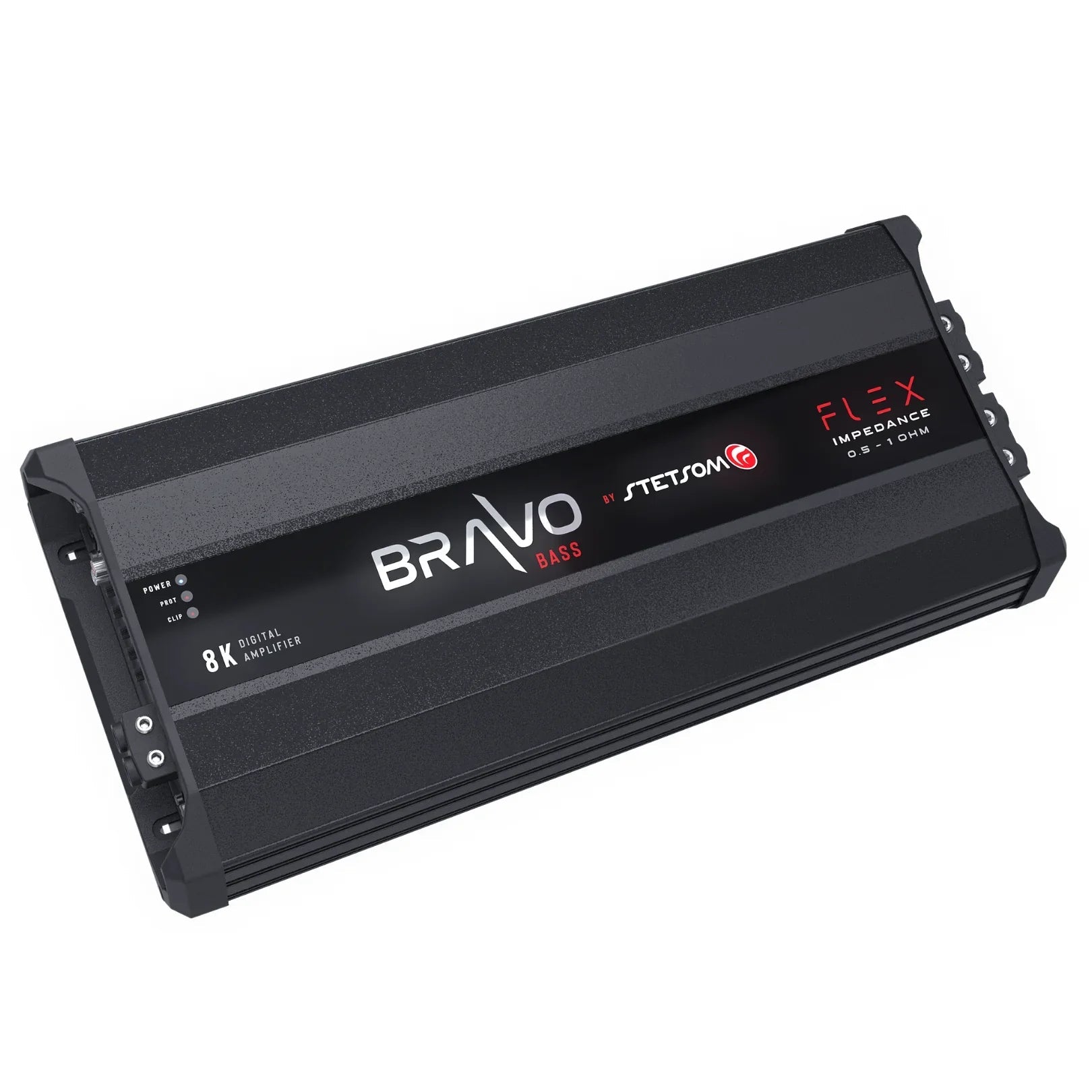
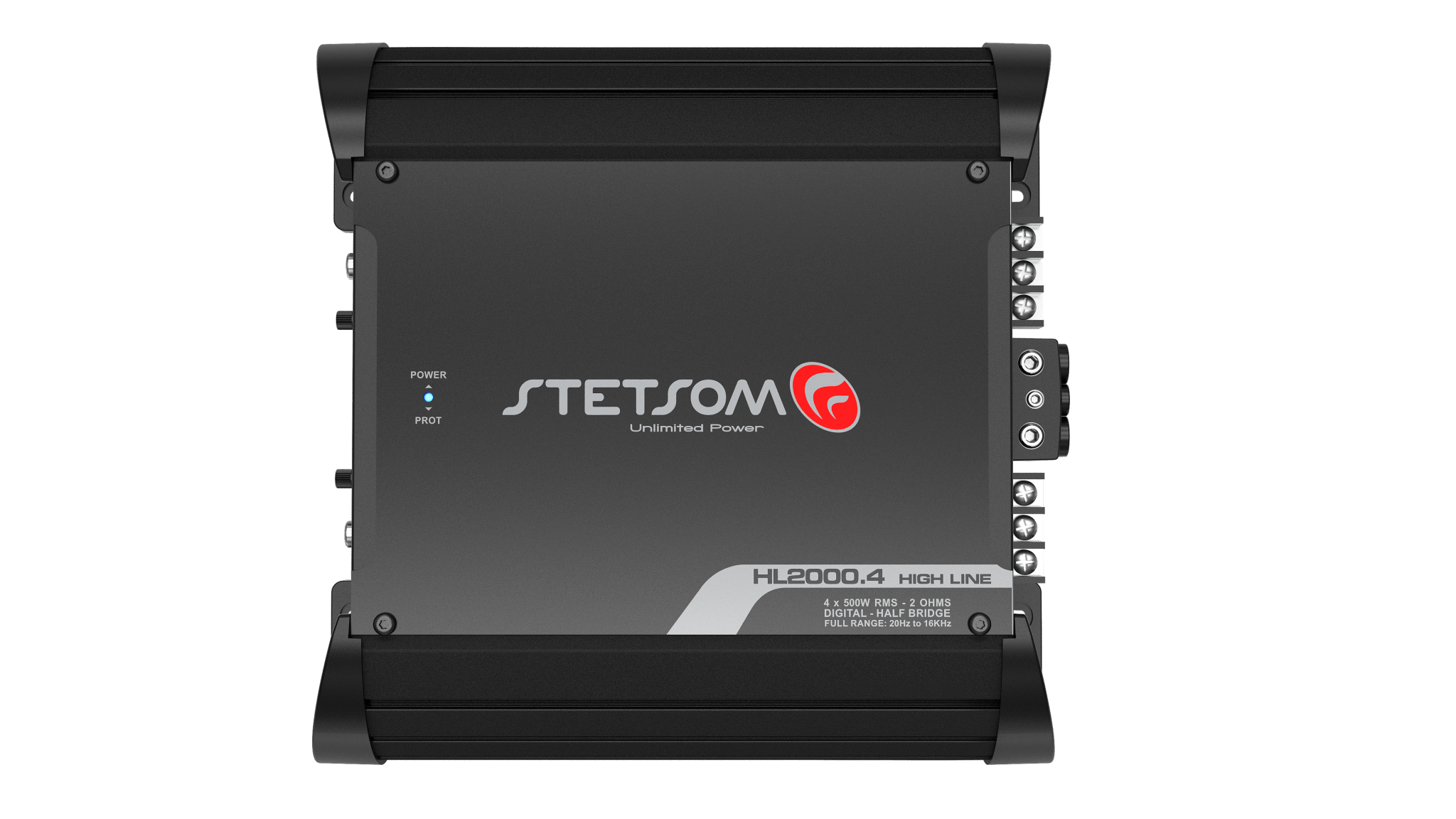
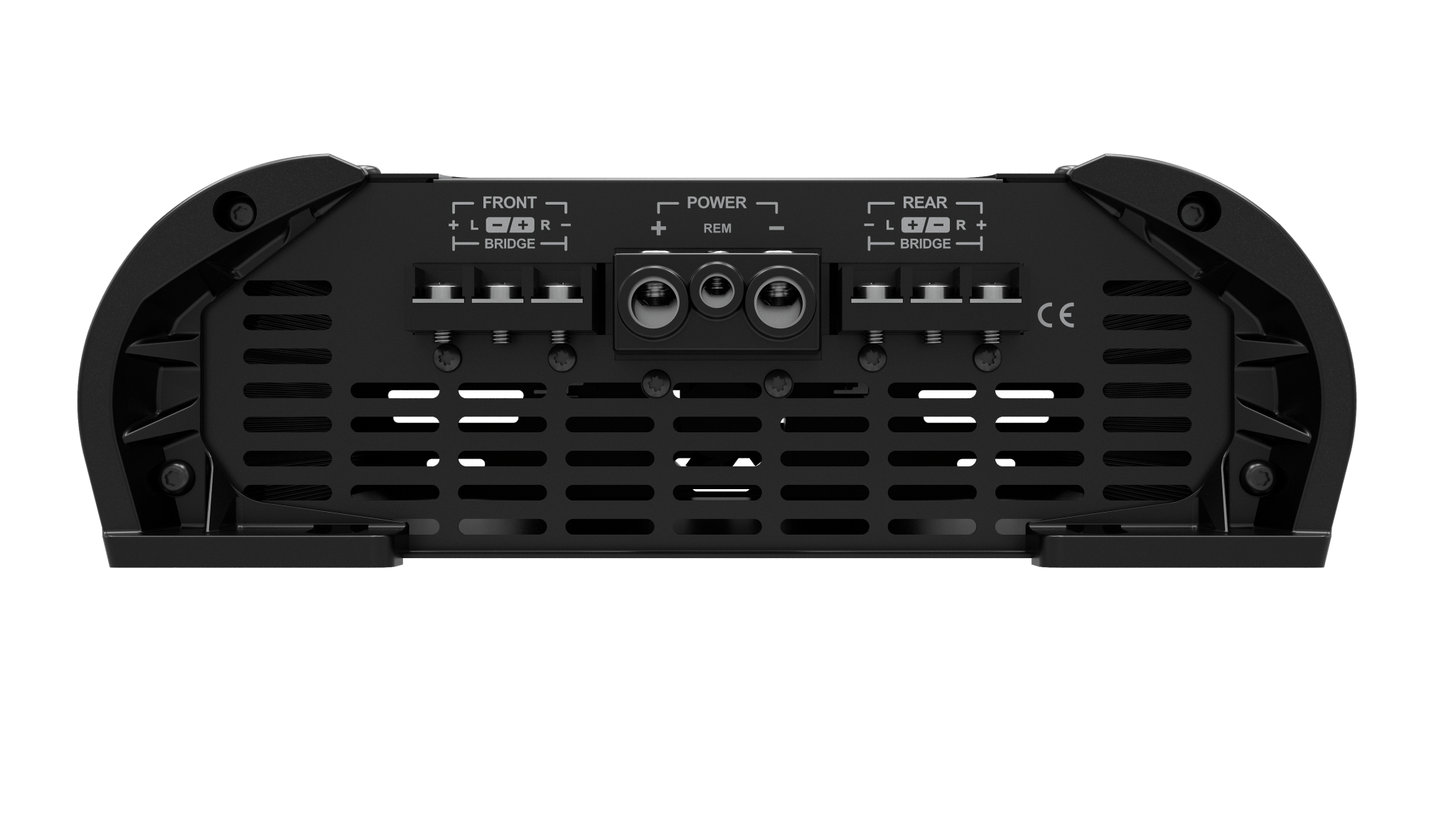
Stetsom High Line HL - 2000.4 Digital Amplifier 2000W Class D Full - Range Four - Channel 2 Ohm - HL - 2000.4 - 2OHM - Sparked InnovationsStetsom High Line HL - 2000.4 Digital Amplifier 2000W Class D Full - Range Four - Channel 2 Ohm - HL - 2000.4 - 2OHM - Sparked Innovations
Save 14%
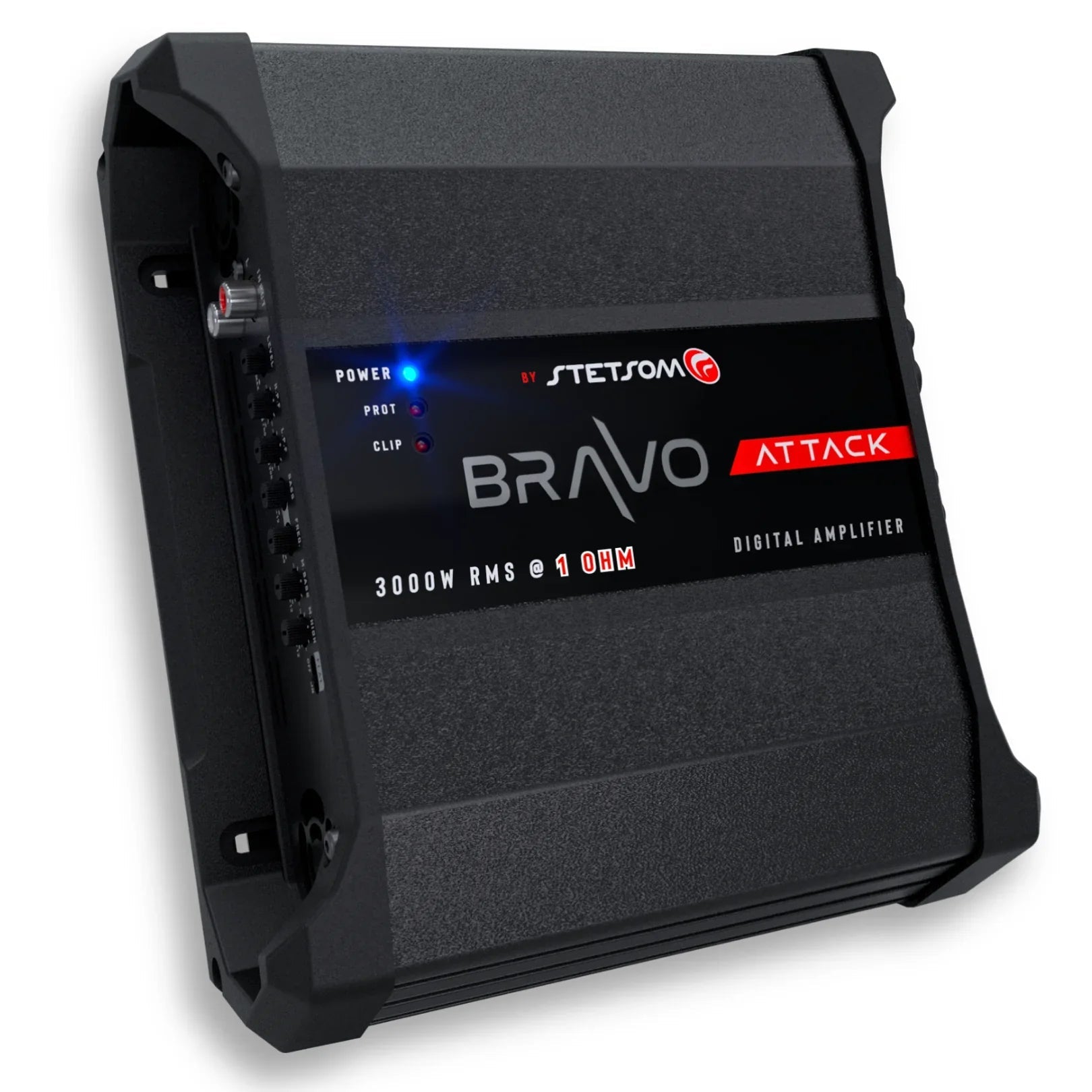
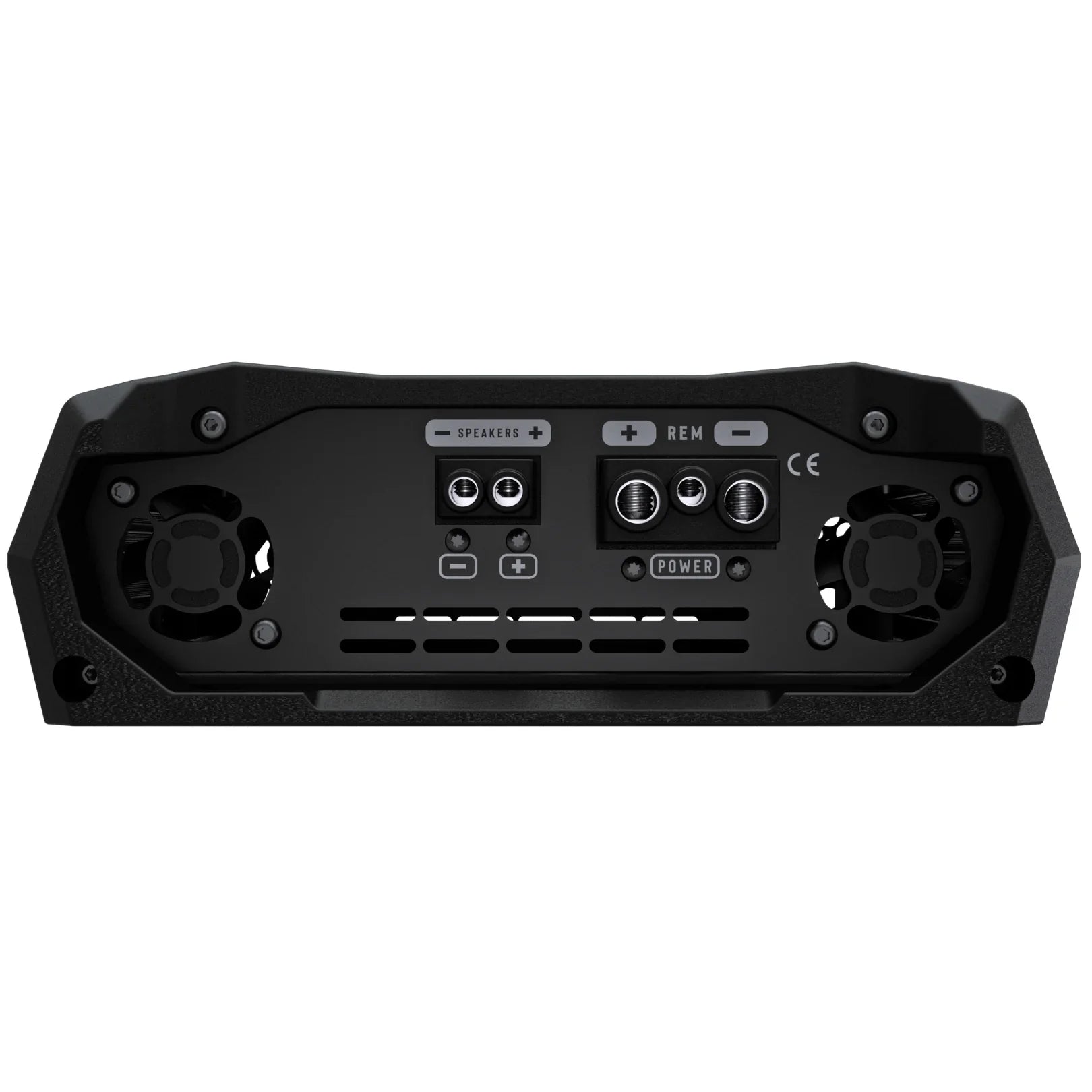
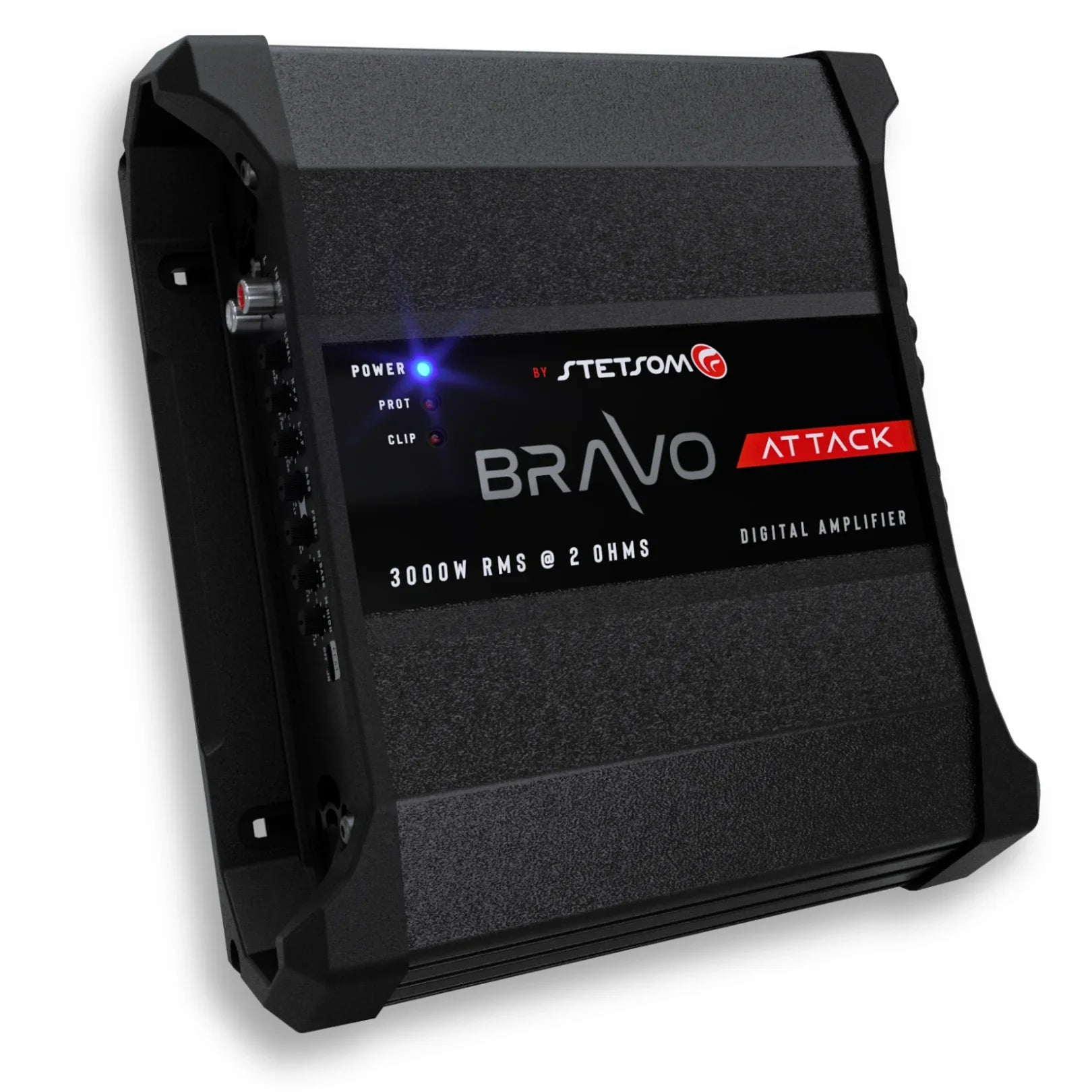
Stetsom BRAVO ATTACK 3000 W Mono One - Channel Full Range Digital Amplifier 1 Ohm - BRAVO - ATTACK - 3000 - 1OHM - Sparked InnovationsStetsom BRAVO ATTACK 3000 W Mono One - Channel Full Range Digital Amplifier 1 Ohm - BRAVO - ATTACK - 3000 - 1OHM - Sparked Innovations
Save 13%
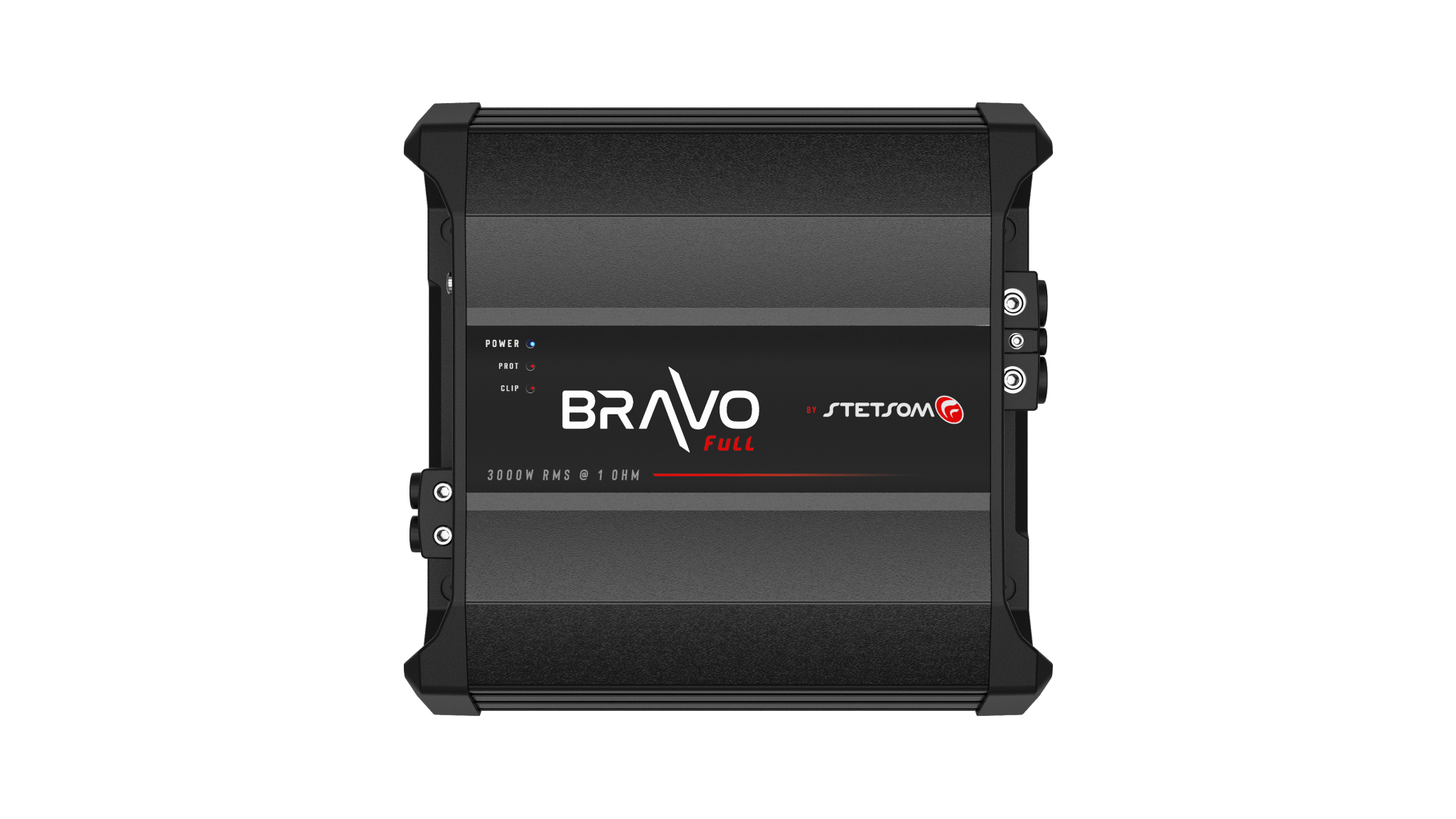
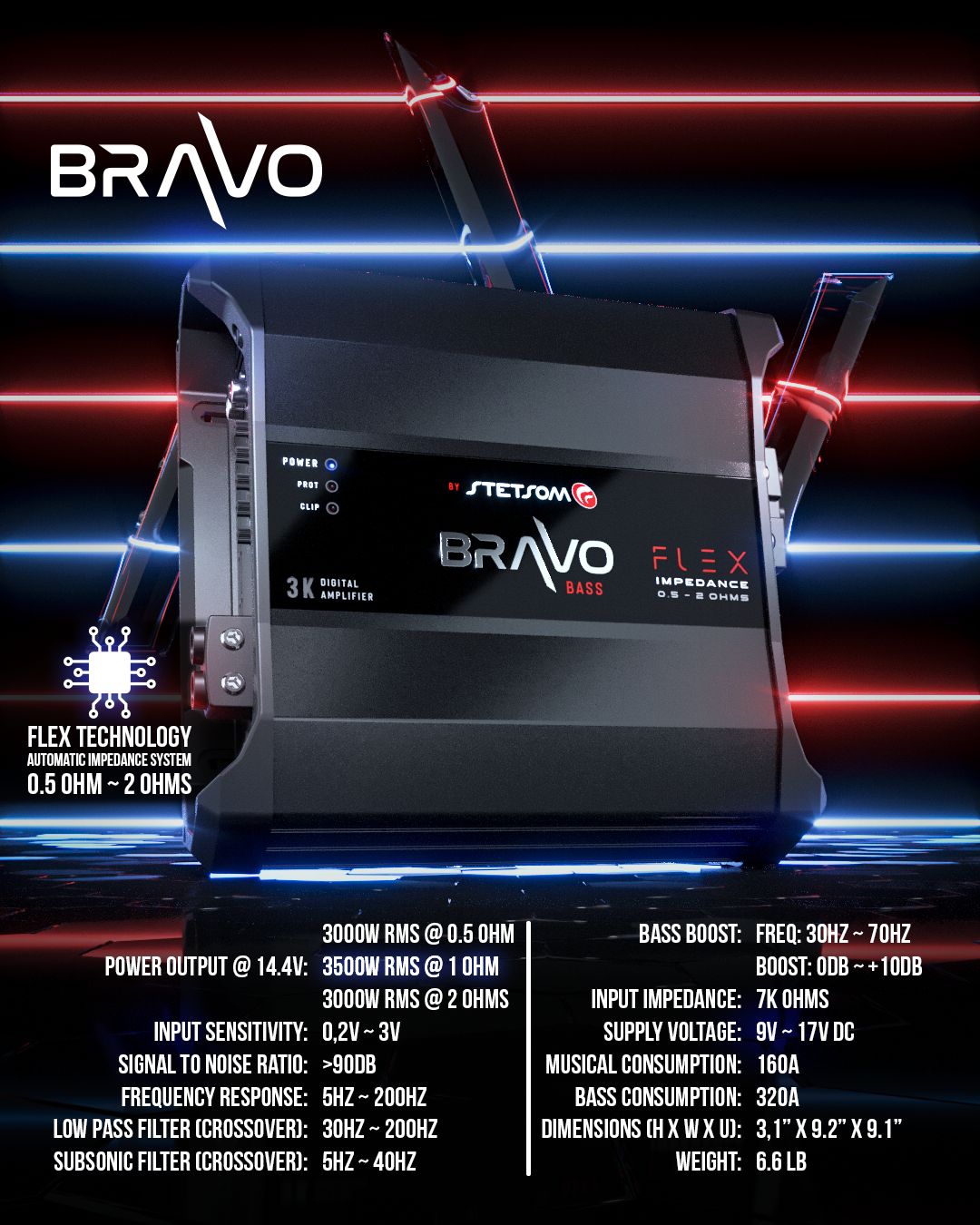
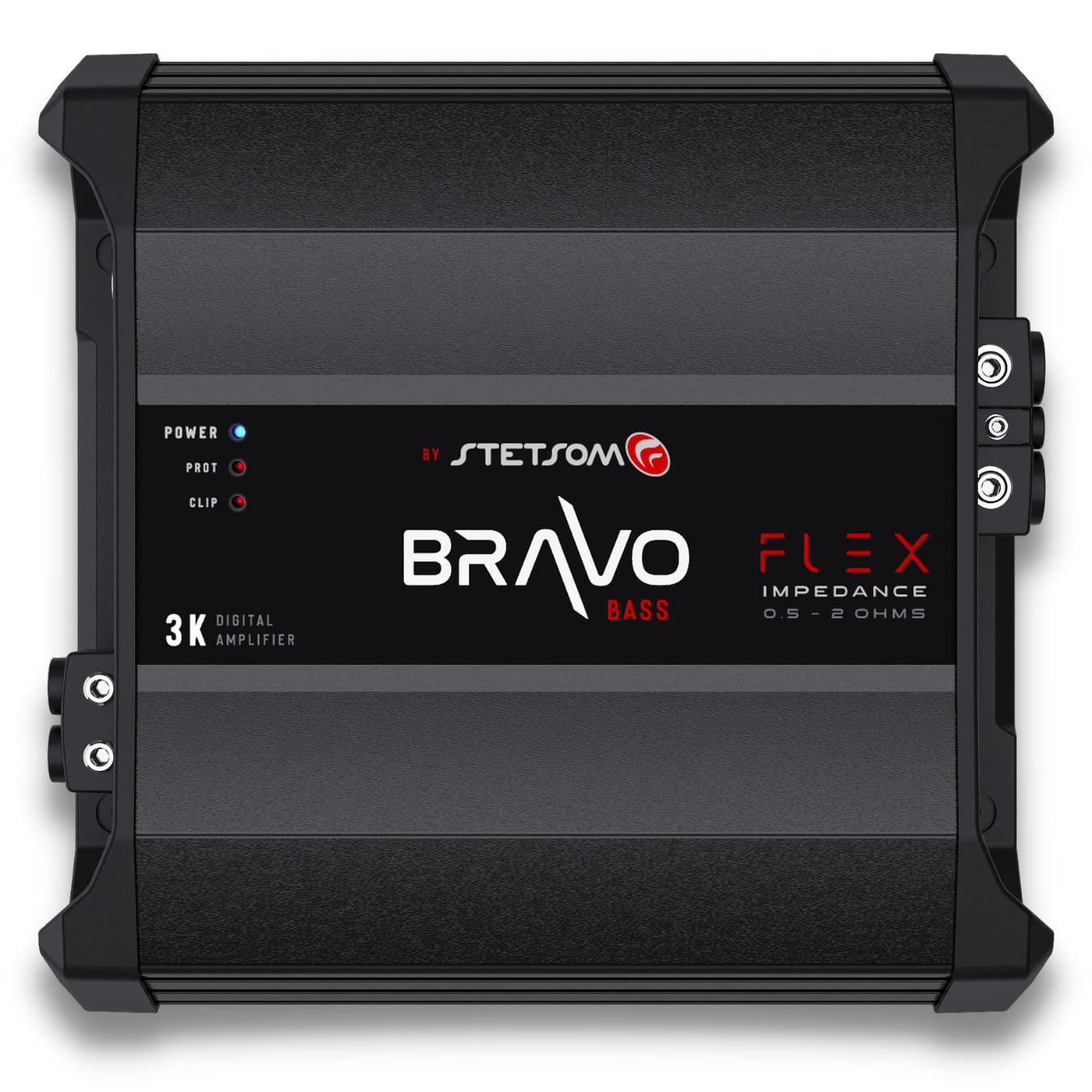
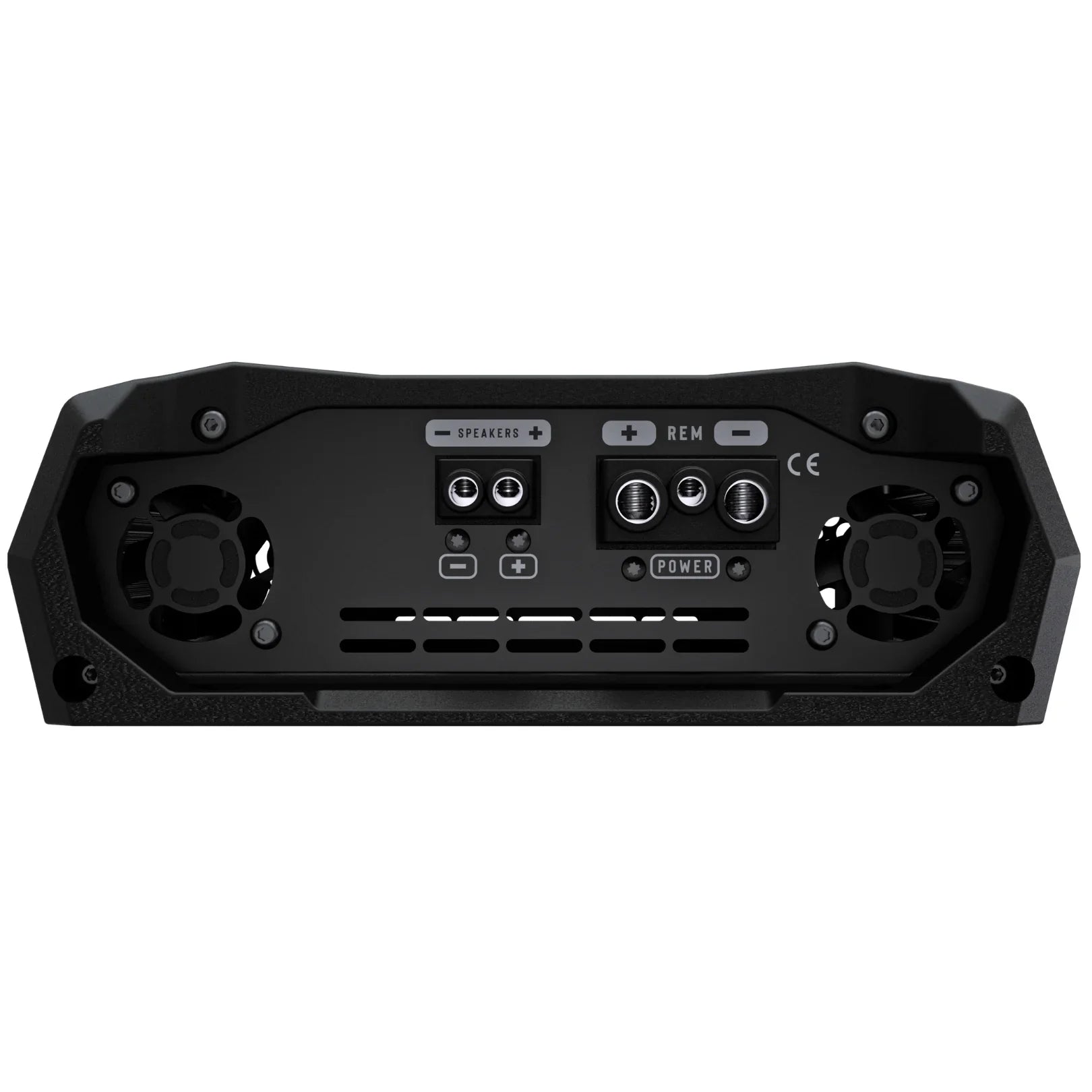
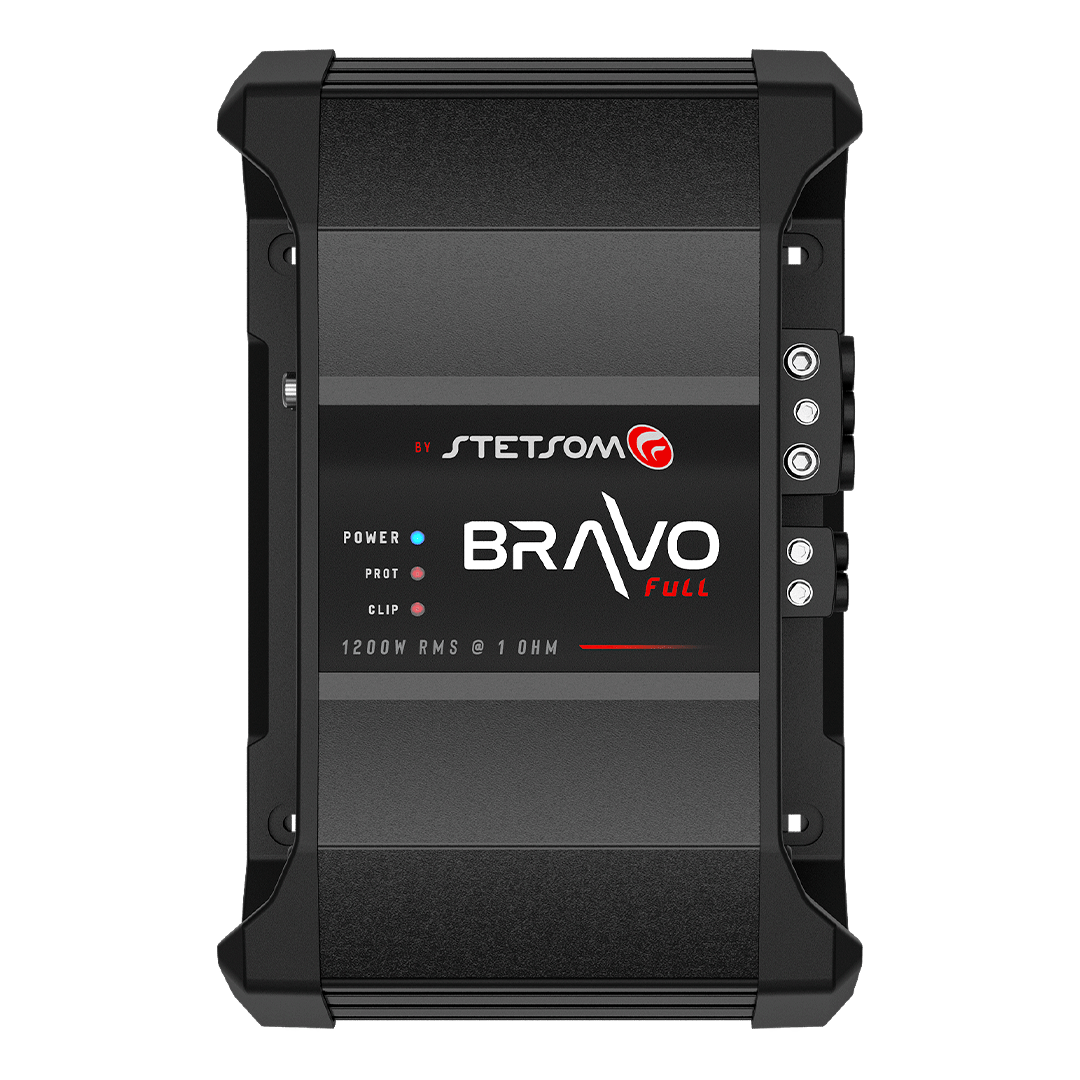
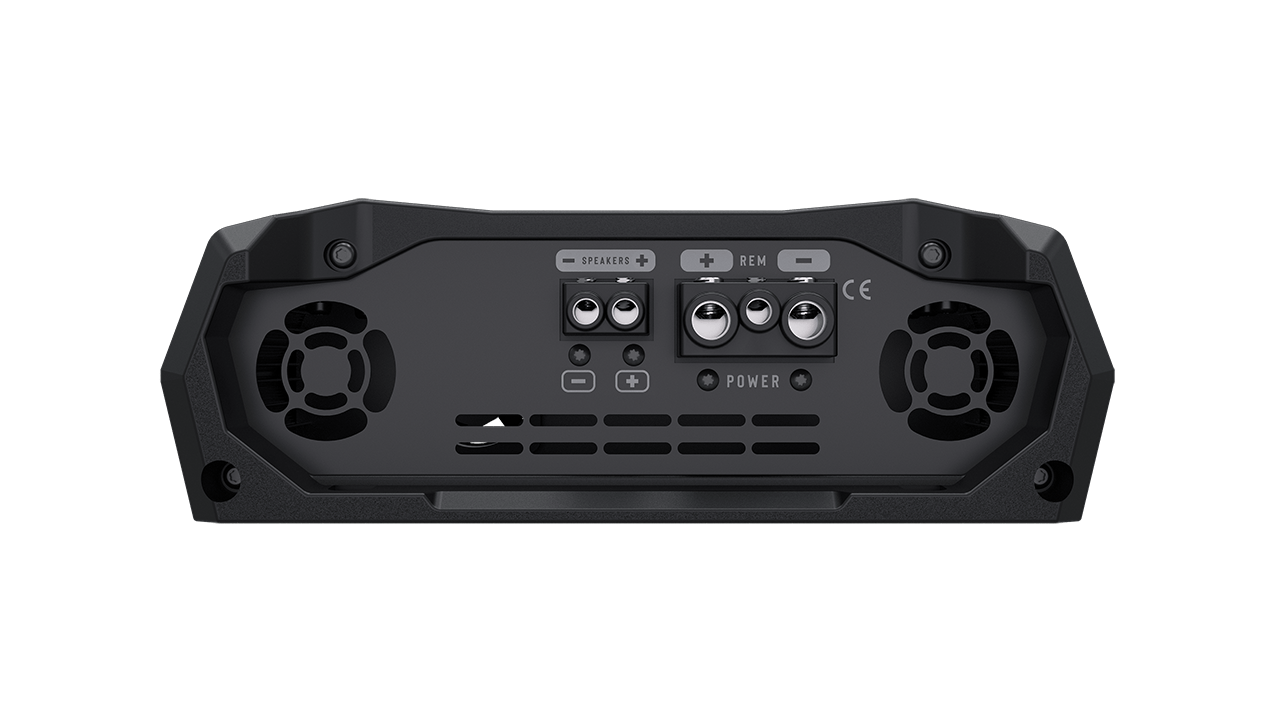
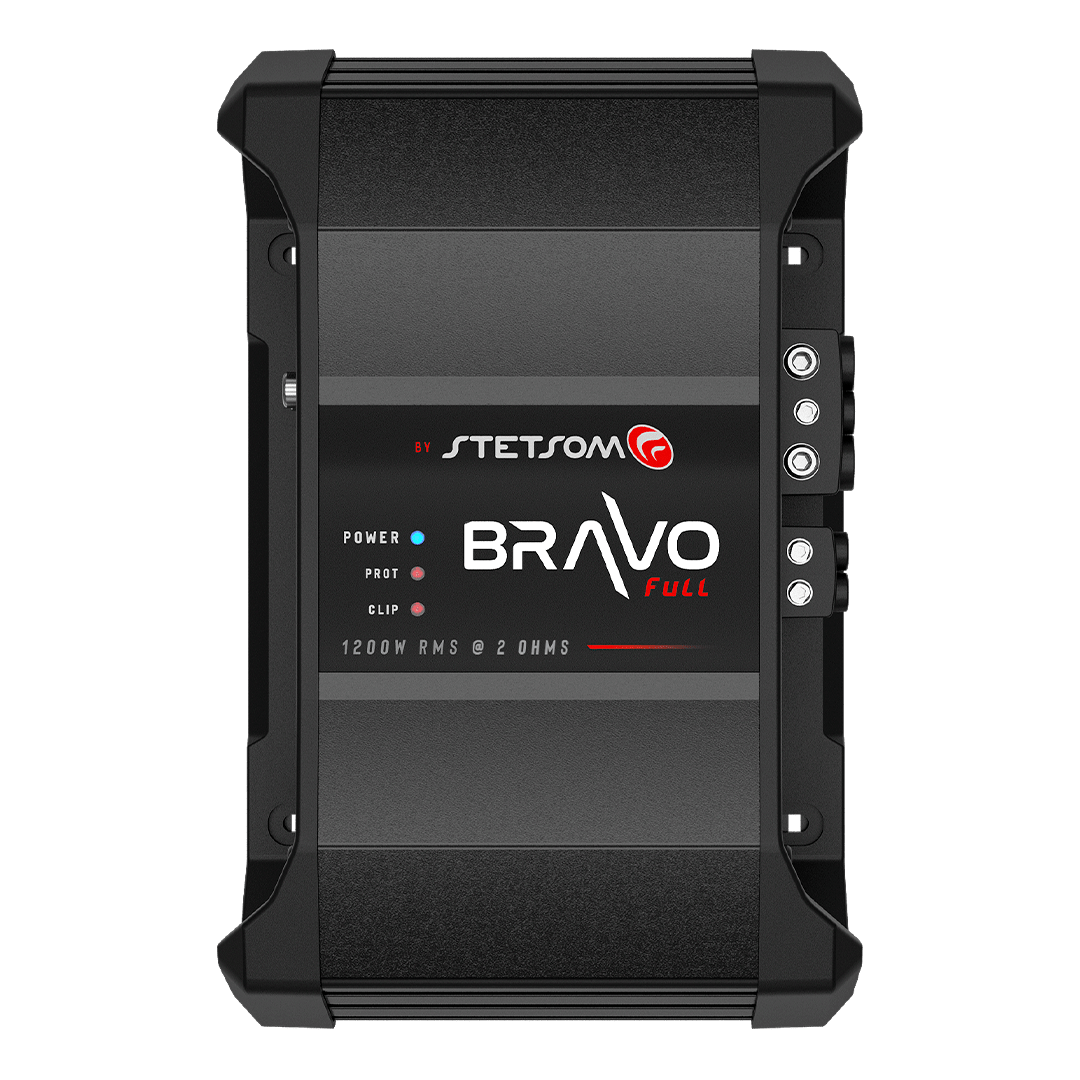
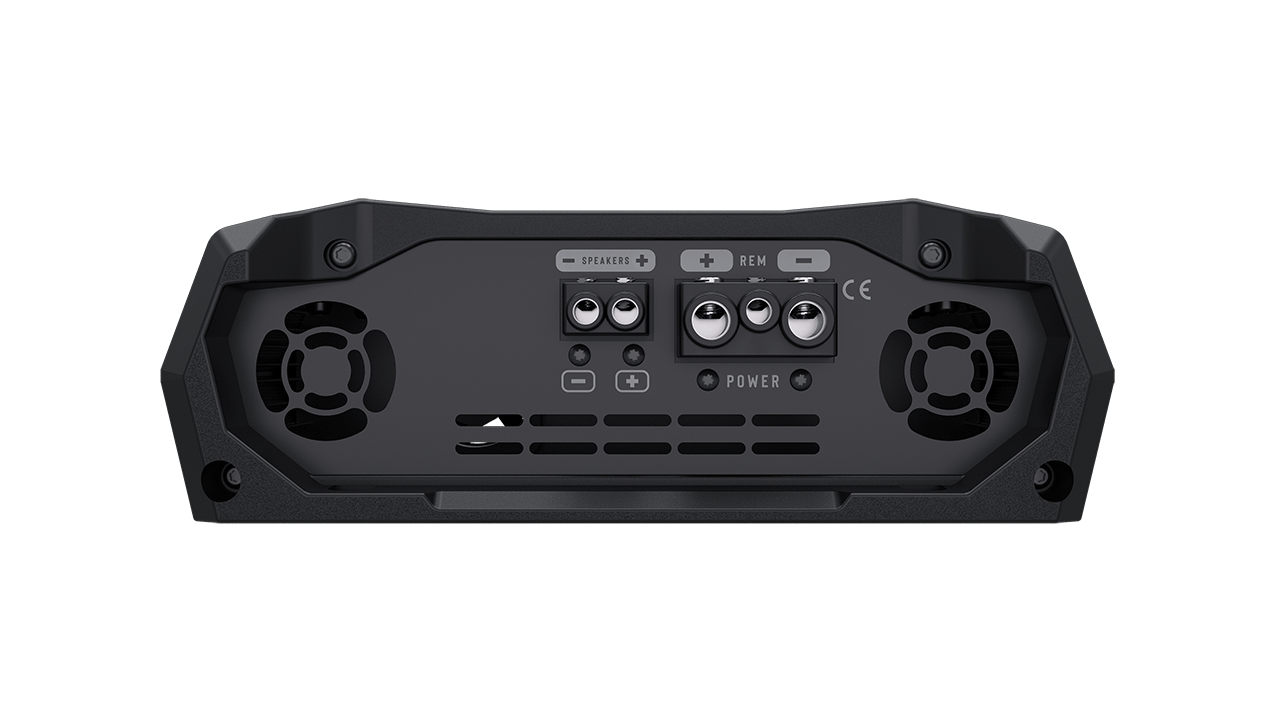
Stetsom BRAVO FULL 3K Digital Full - Range Amplifier Mono One - Channel Class D 3000 W 2 Ohm - BRAVO - FULL - 3K - 2OHM - Sparked InnovationsStetsom BRAVO FULL 3K Digital Full - Range Amplifier Mono One - Channel Class D 3000 W 2 Ohm - BRAVO - FULL - 3K - 2OHM - Sparked Innovations
The Sundown Audio SAEv4-1500.1D Class D amplifier, with a silver finned heat sink cover partially removed, reveals internal components like capacitors and coils and features advanced protection circuitry for optimal performance.The silver SAEv4-1500.1D Amplifier by Sundown Audio features a ribbed metallic design, protection circuitry, and side connectors for easy wiring.
SALT-8 8000W Competition Class D Amplifier - Sundown AudioSALT-8 8000W Competition Class D Amplifier - Sundown Audio
SALT-4 4000W Class D Amplifier - Sundown AudioSALT-4 4000W Class D Amplifier - Sundown Audio
SALT-2 2000W Class D Amplifier - Sundown AudioSALT-2 2000W Class D Amplifier - Sundown Audio
Save 13%
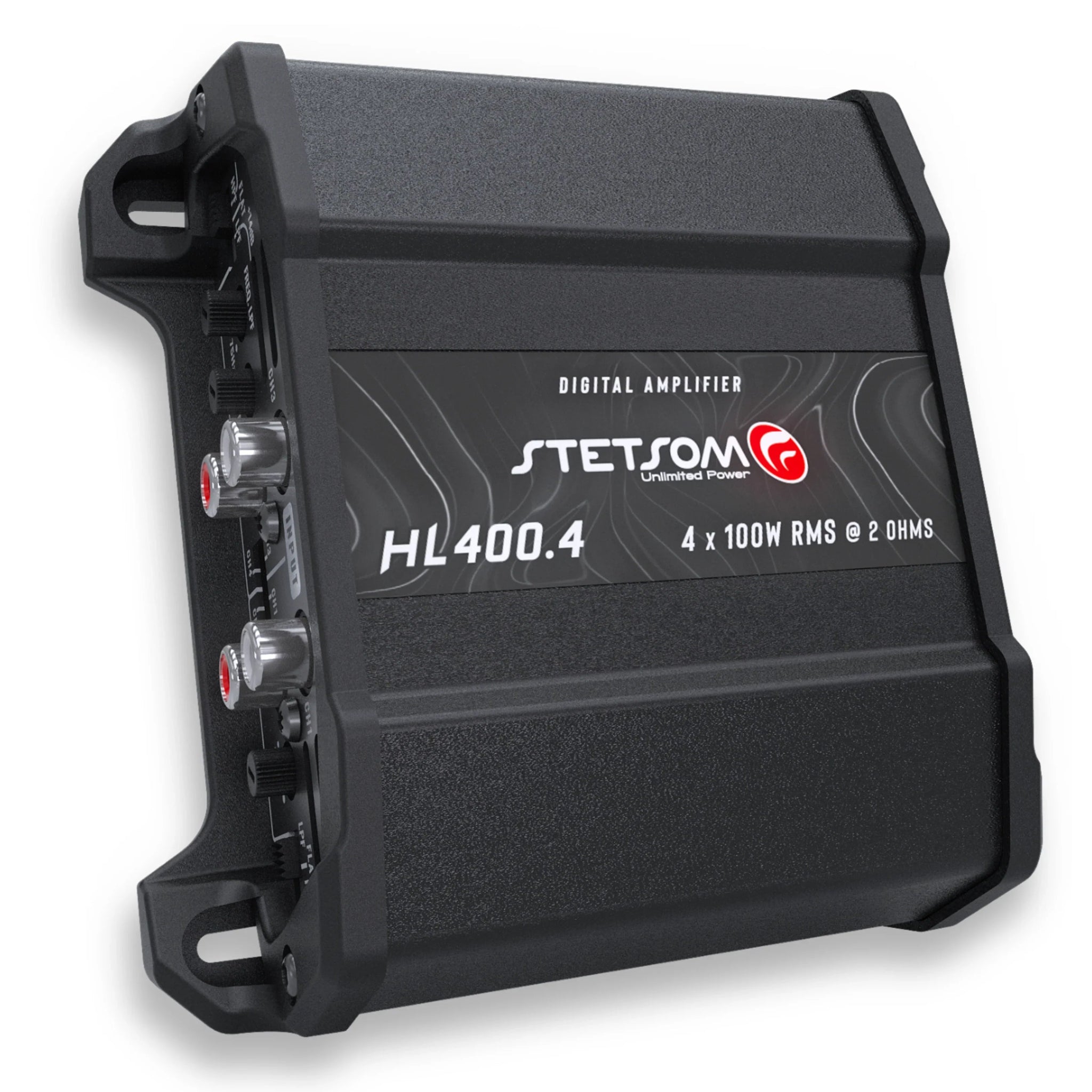
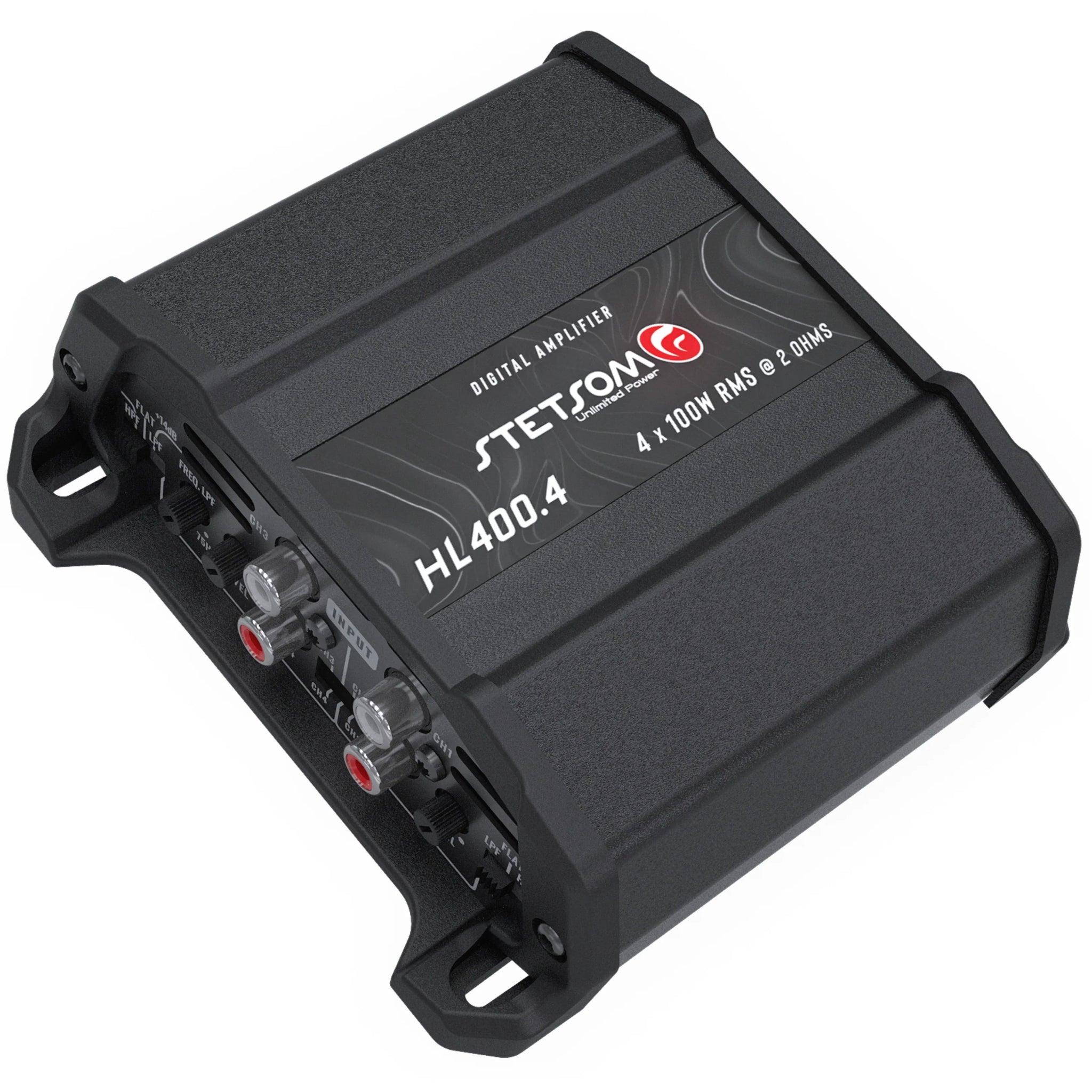
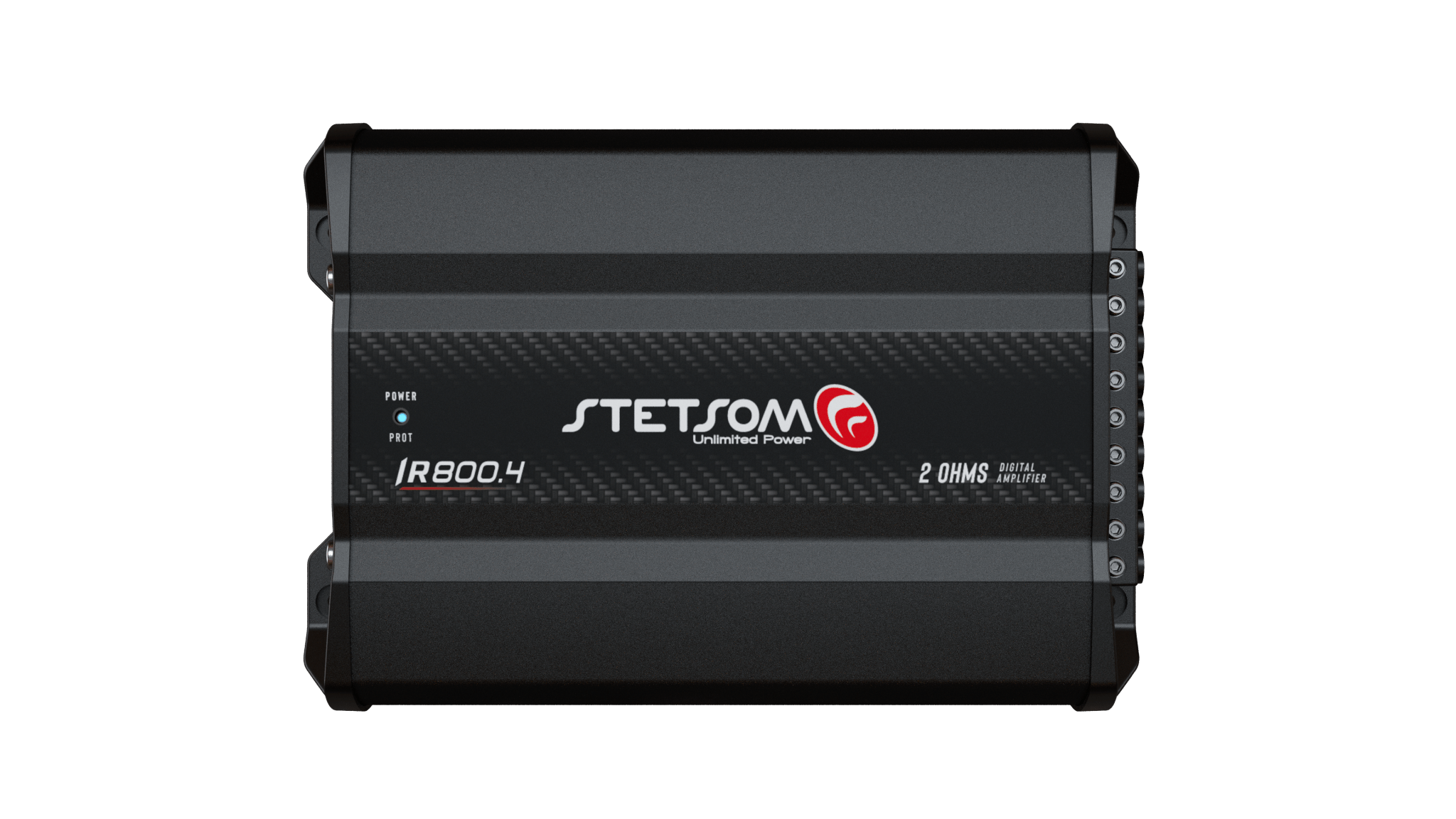
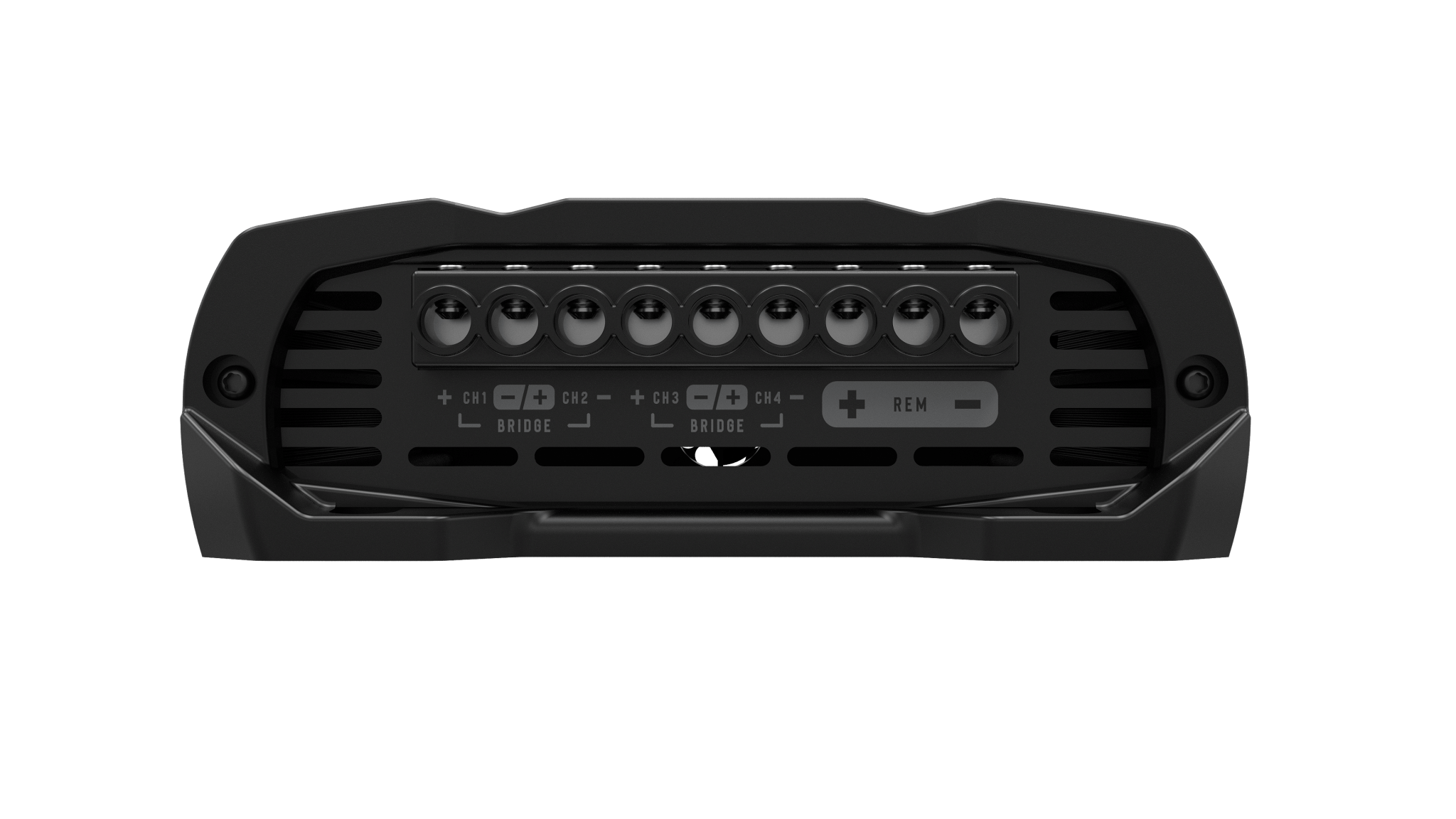
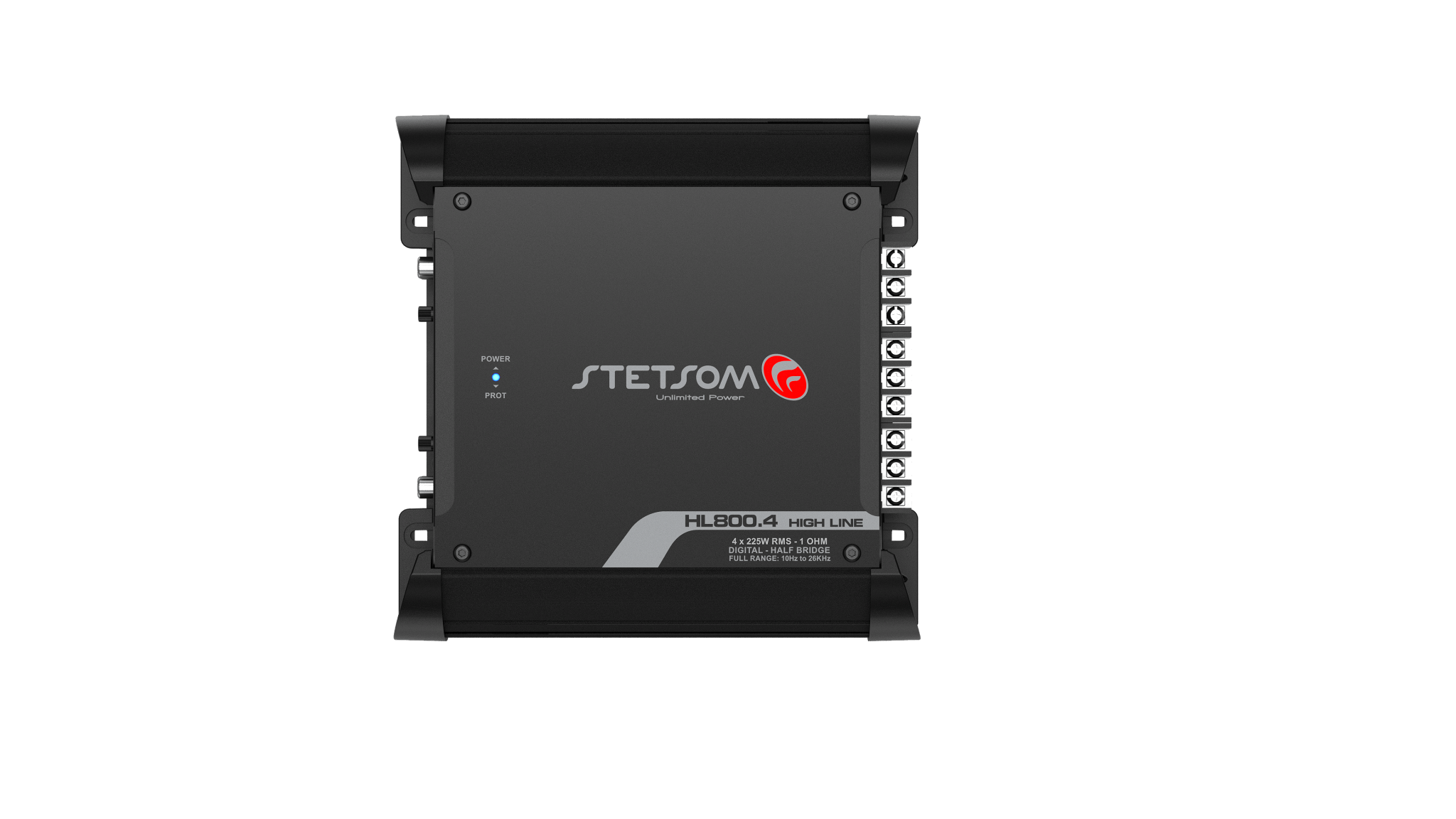
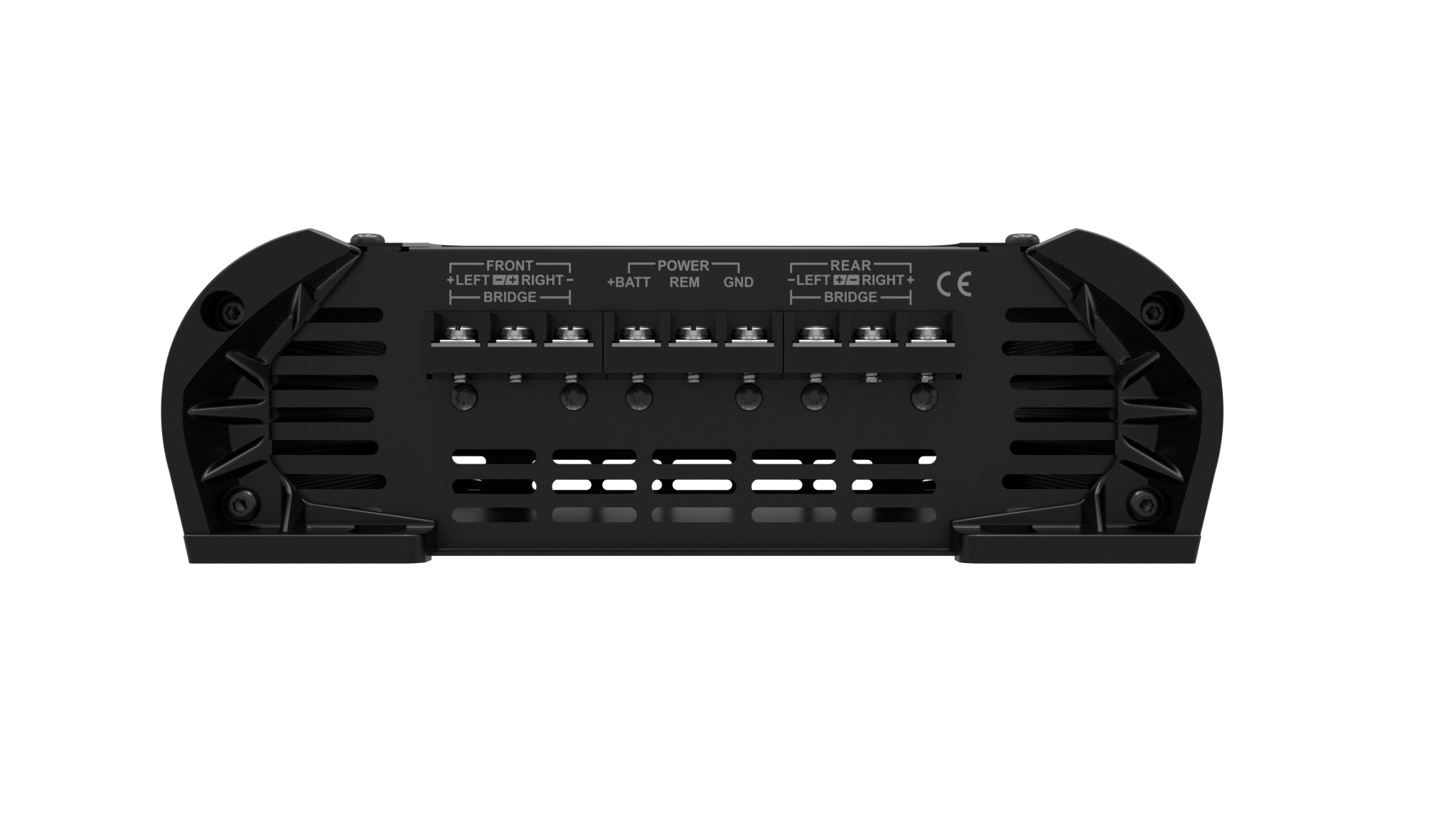
Stetsom High Line HL - 400.4 Digital Amplifier 400 W Class D Full - Range Four - Channel 2 Ohm - HL - 400.4 - 2OHM - Sparked InnovationsStetsom High Line HL - 400.4 Digital Amplifier 400 W Class D Full - Range Four - Channel 2 Ohm - HL - 400.4 - 2OHM - Sparked Innovations
Save 14%
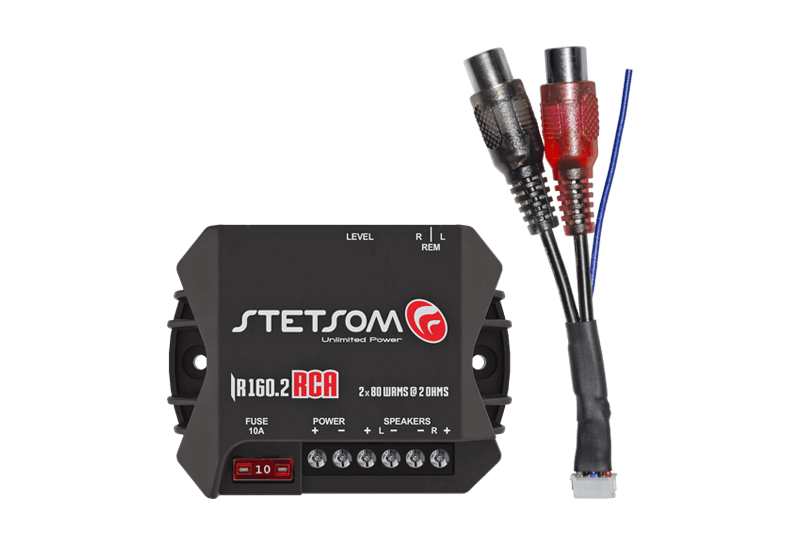
Stetsom Iron Line IR - 160.2 RCA Digital Amplifier Two - Channel 2 Ohm - IR - 160.2 - RCA - 2OHM - Sparked Innovations
Sundown Audio SAEv4-100.4 4-Channel AmplifierSundown Audio SAEv4-100.4 4-Channel Amplifier
SALT-500.4 4-Channel 500x4 Amplifier - Sundown AudioSALT-500.4 4-Channel 500x4 Amplifier - Sundown Audio
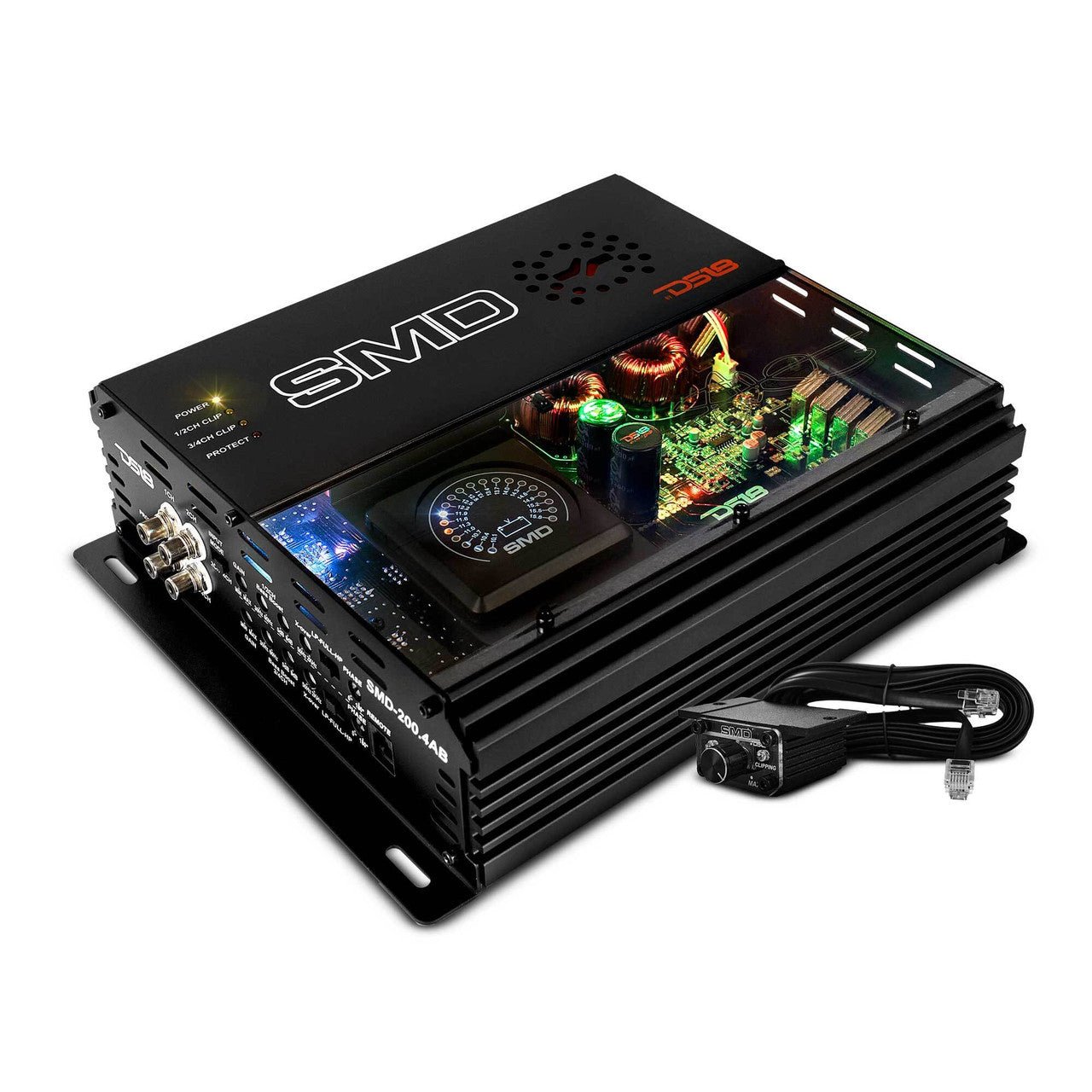
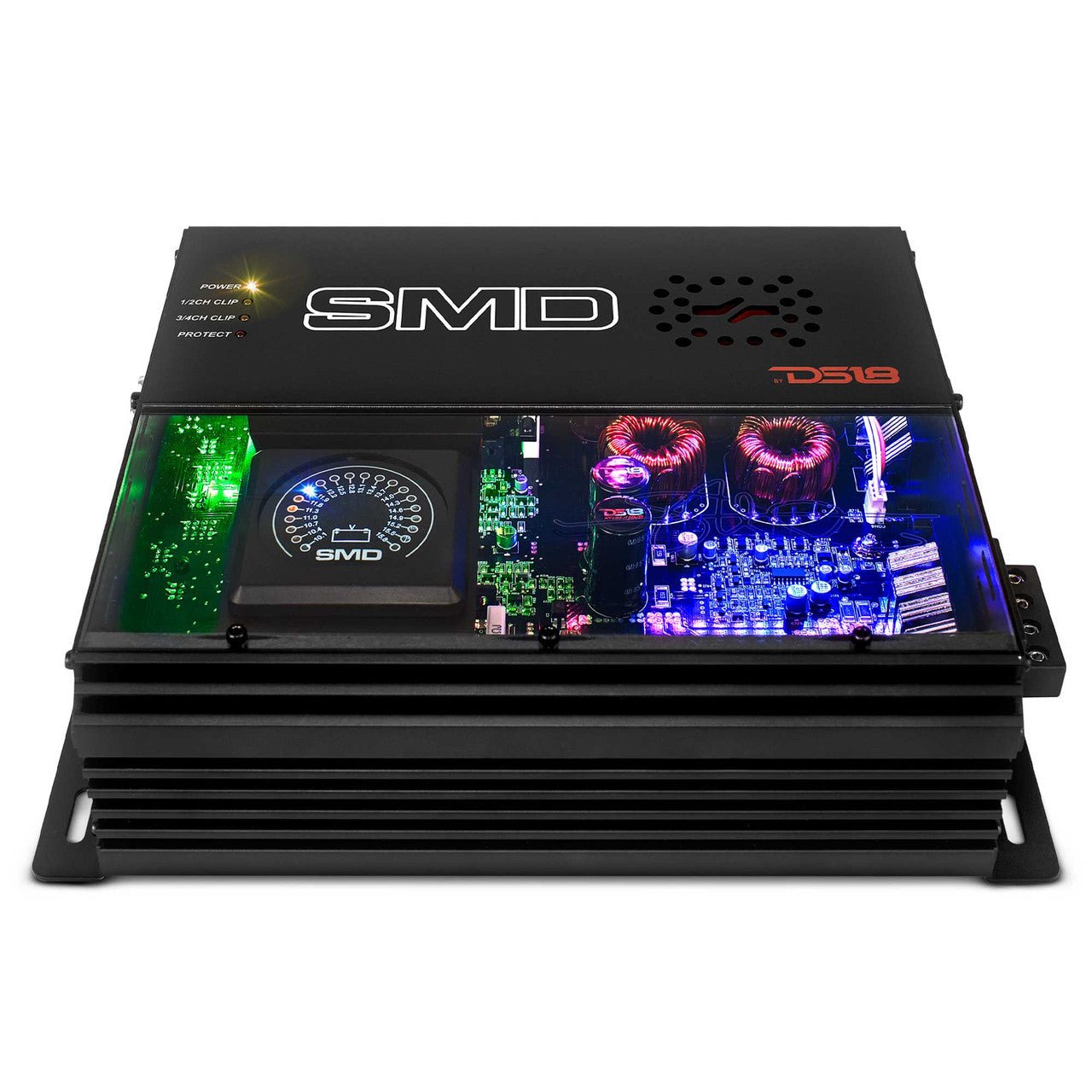
SALT-200.4 4-Channel 4x200 Amplifier - Sundown AudioSALT-200.4 4-Channel 4x200 Amplifier - Sundown Audio

Step 1 — Start With the Subwoofer

The sub sets every other decision: how much power you need, how big the box is, and how hard the electrical has to work. Pick by cone area and output goal first. Bigger cones move more air per stroke — but cost you enclosure volume and amperage. If you have not chosen a driver yet, start with our size guides for the 10-, 12-, 15-, and 18-inch classes.

Step 2 — Match the Amplifier

Two numbers decide the match: power and impedance.

Power comes in two ranges with two different purposes:

  • Recommended Power Sweet Spot — 80–100% of sub RMS: an amplifier in this band, set on a clean, unclipped signal, delivers full output without cooking the voice coil. This is the target.
  • Safe Compatibility Envelope — 75–150% of sub RMS: the wider band that will physically drive the sub. Headroom builders can live here with disciplined gain structure — more clean power is safer than less dirty power (a clipped 1,000-watt signal carries more heating duty than a clean 1,200-watt one). It is a compatibility range, not a recommendation.

Impedance — match the sub's wired load to the amplifier's stable rating. Coil choice drives it: a DVC 2-ohm sub wired in parallel presents 1 ohm, in series 4 ohms; run two of them and the math changes again (two DVC2 in parallel = 0.5 ohm). Pick the coil — D1, D2, or D4 — for the amplifier you own. Mismatching the load by a step roughly halves your rated power.

Step 3 — Build the Electrical Backbone

This is the step most people skip and then blame the subwoofer. An amplifier is a current machine: at realistic Class-D efficiency on a 12-volt rail, every 1,000 W RMS pulls on the order of 100 amps at full tilt. Plan the electrical before the amp ships.

  • The Big 3 — upgrade the alternator-to-battery, battery-to-chassis, and engine-to-chassis ground to 1/0 AWG OFC.
  • Alternator — a high-output unit for anything at or above ~2,000 W RMS. Stock alternators top out around 130–150 A with the vehicle's own loads already on them.
  • Storage — a supplemental AGM or LTO (lithium-titanate) battery to hold voltage under sustained load.
  • The test that matters — voltage at the amplifier under load. Below ~12.5 V, your electrical system is the bottleneck, not your subwoofer.

Step 4 — Get the Enclosure Right

The box is part of the spec, not an afterthought. Net (not external) volume, adequate port area, and tuning — commonly ~32–34 Hz for a daily ported build — determine whether the sub performs as published. Sealed is tight and compact; ported is louder and lower but larger. Match the box to the driver using the per-size specs on the product pages and our inch-class guides.

Step 5 — Tune It (Don't Skip This)

A correctly paired system tuned badly sounds worse than a modest one tuned well. Sensible starting points:

  • Gain — set to the sub's clean limit by ear or scope, never to max. Gain is not a volume knob.
  • Low-pass filter — around 80 Hz is a typical starting point for a subwoofer channel.
  • Subsonic filter — set near your enclosure's tuning frequency to protect the driver below it.
  • Bass boost — off or minimal. It is the fastest way to clip an amplifier and cook a coil.

A subwoofer is one component of a system — the amplifier, the electrical, the box, and the tune decide whether you hear what you paid for. Build the whole chain, not just the loudest single part.

Recently viewed