
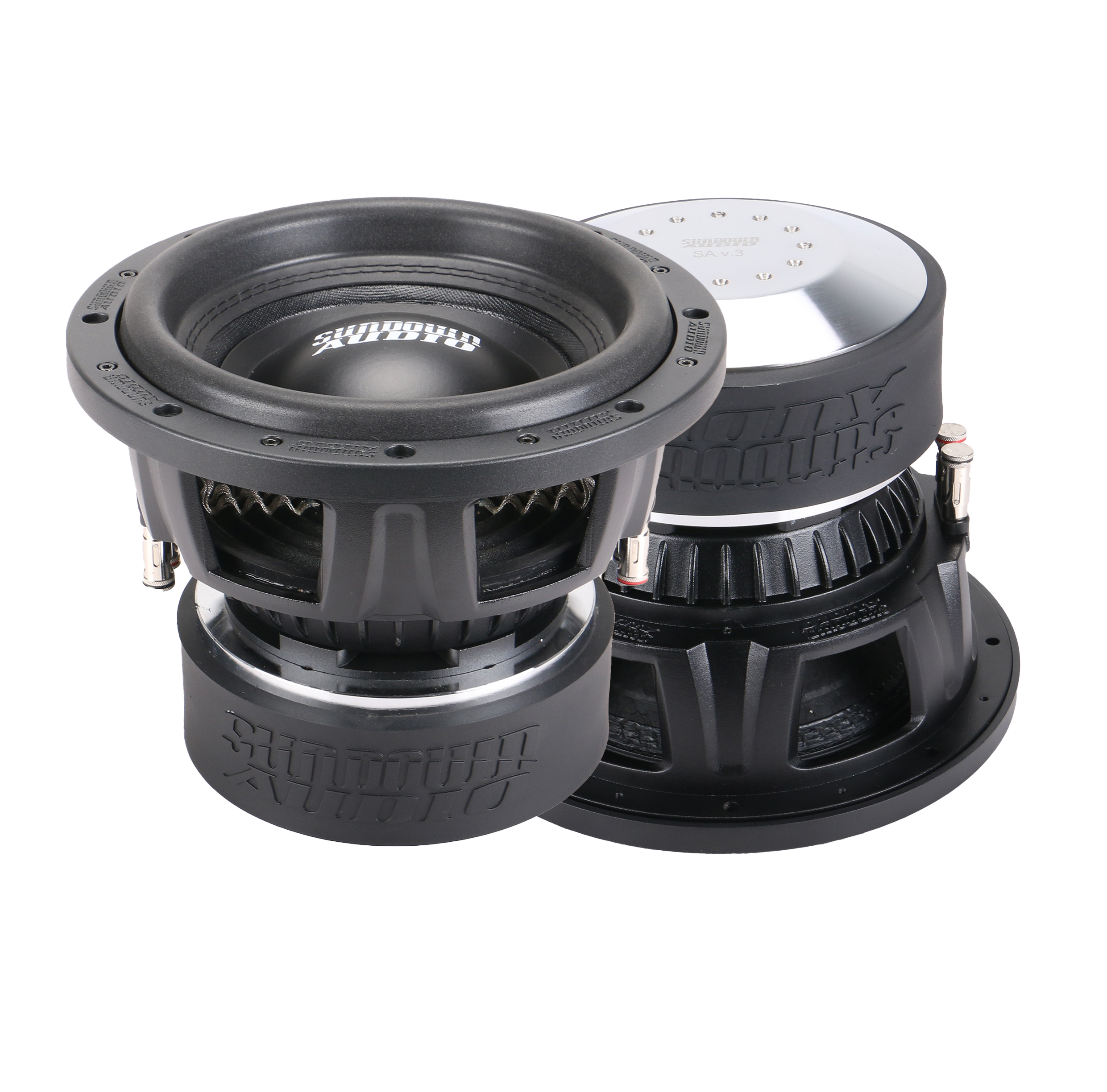
Elevate your sound system with our 10" subwoofers. Enjoy deep, powerful bass that enhances music and movies alike. Explore Sparked Innovations today!

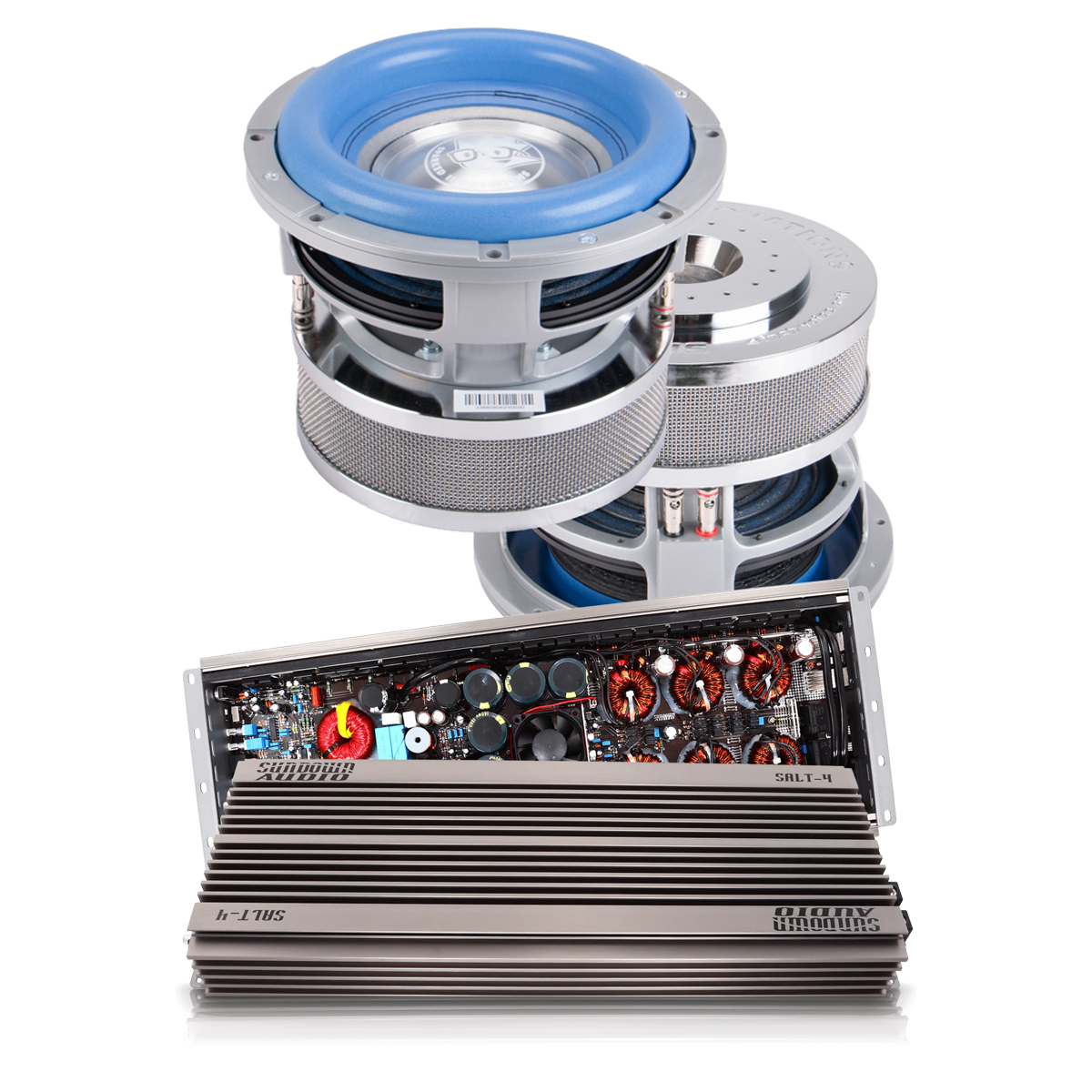
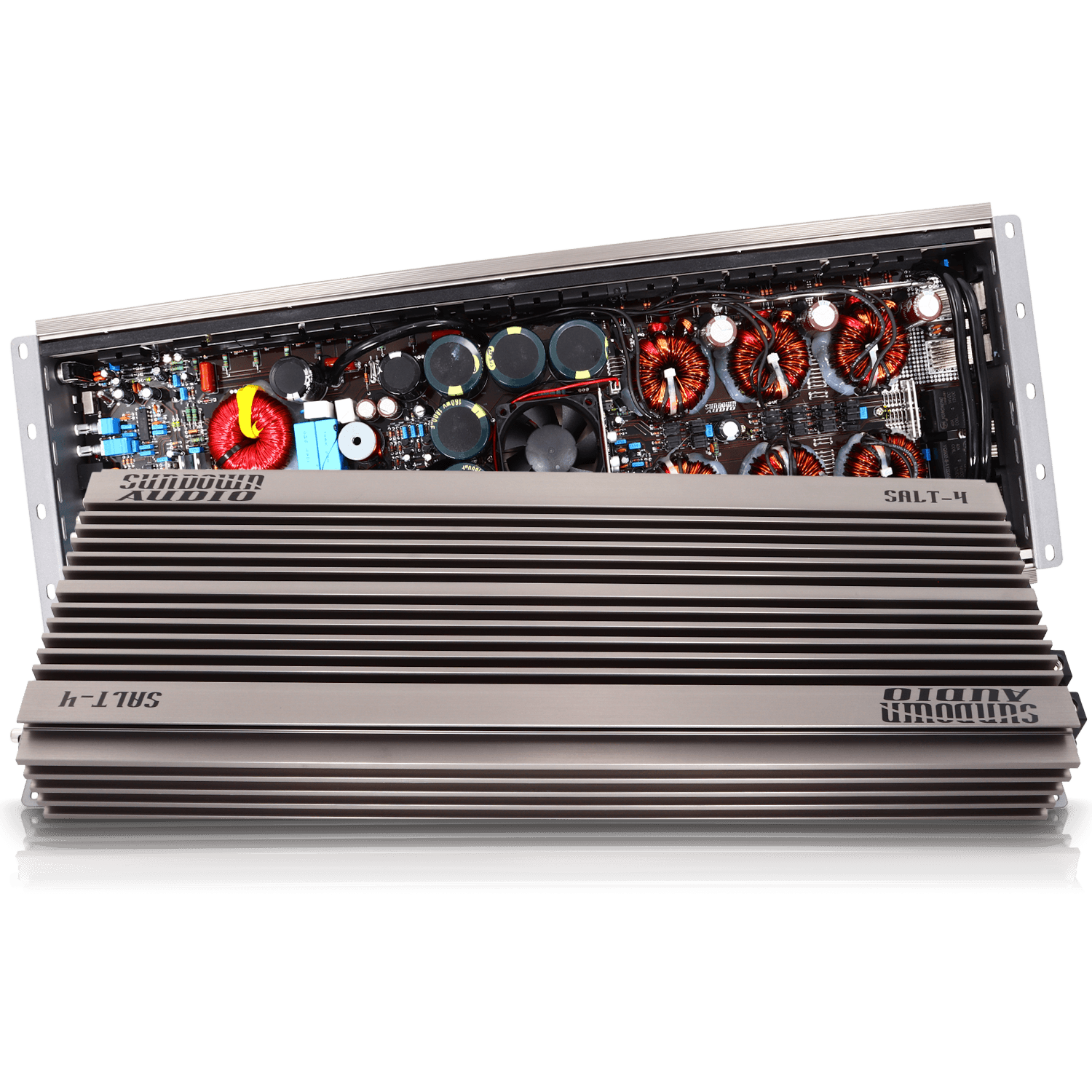
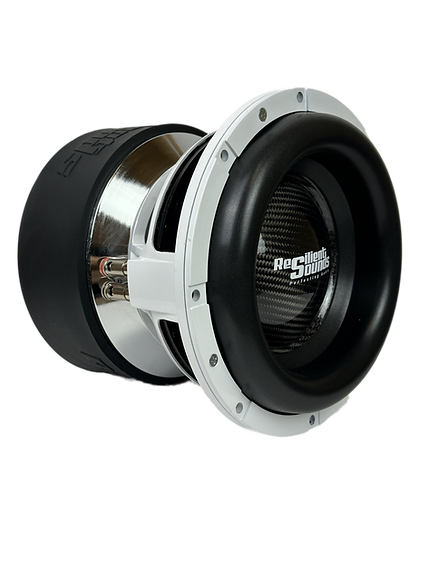
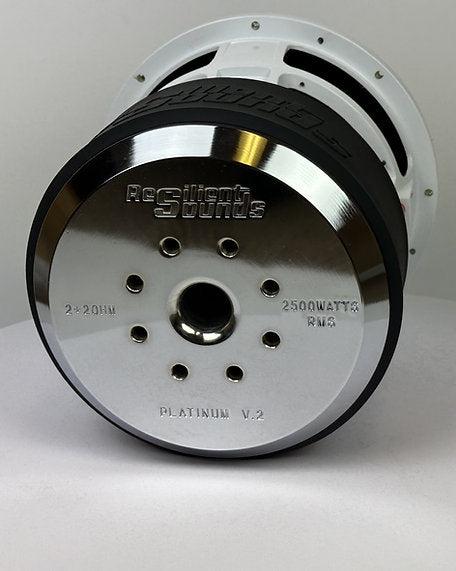
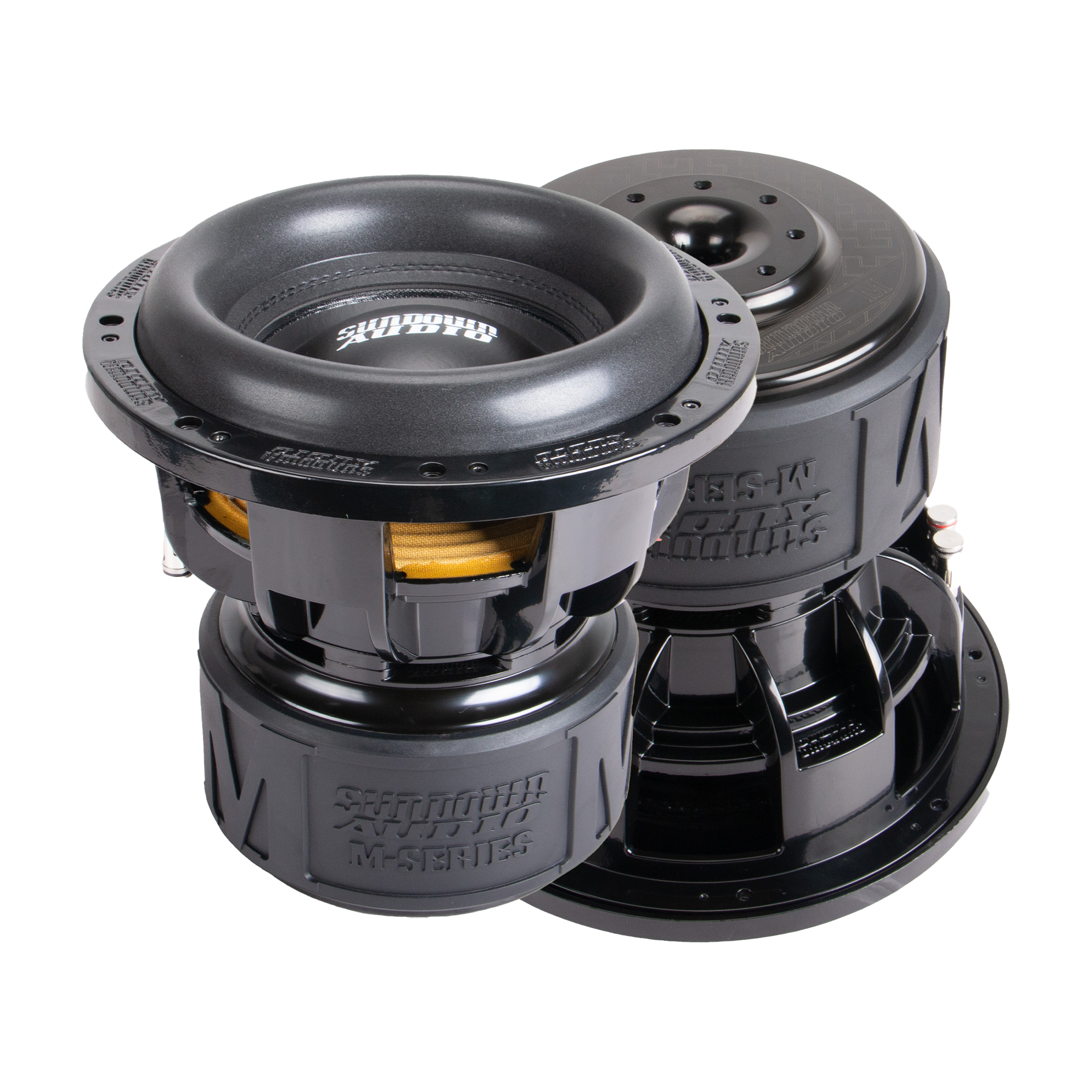
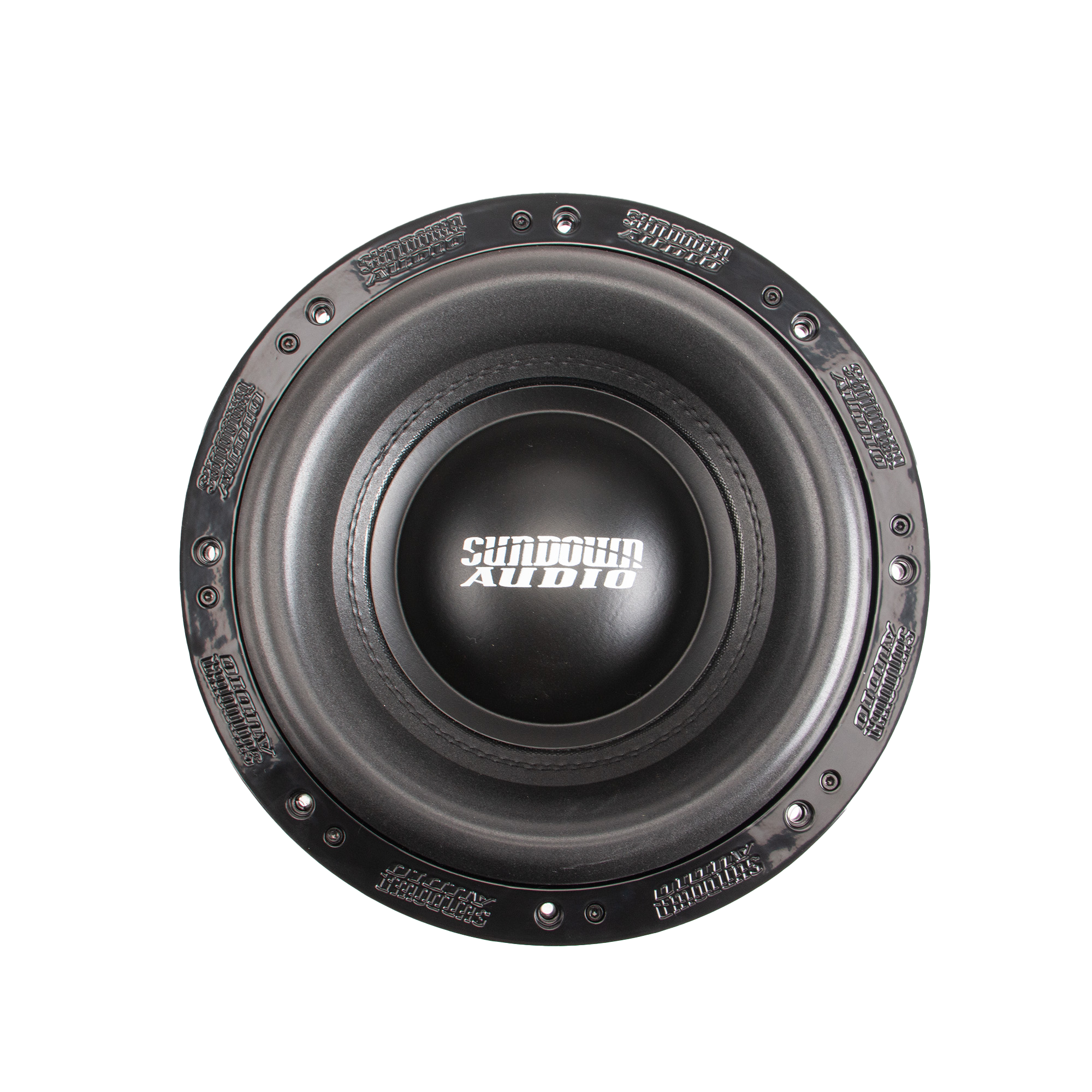
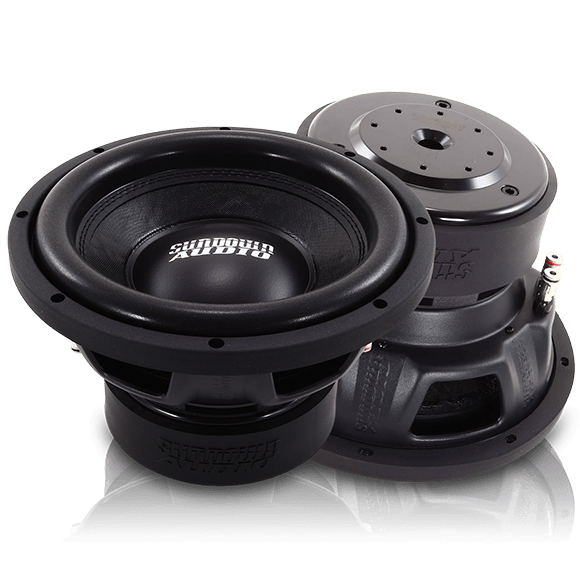
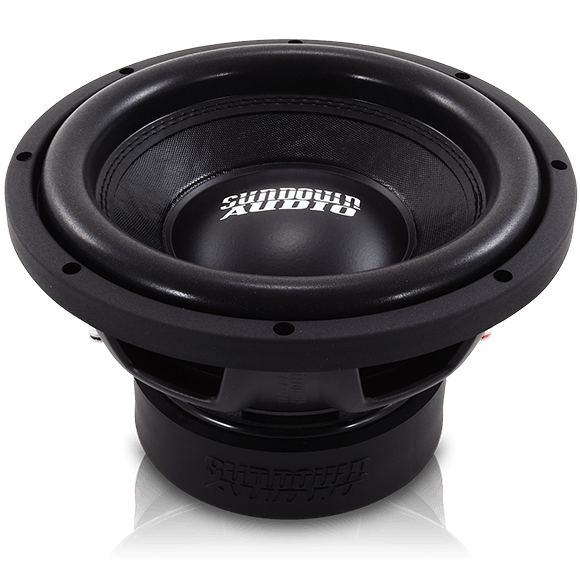
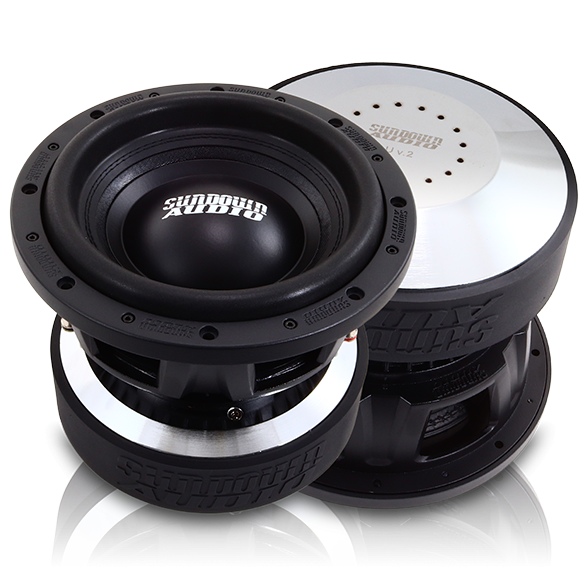
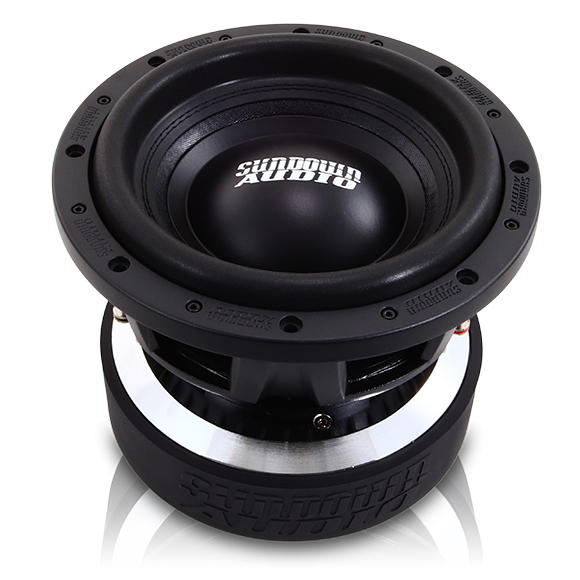
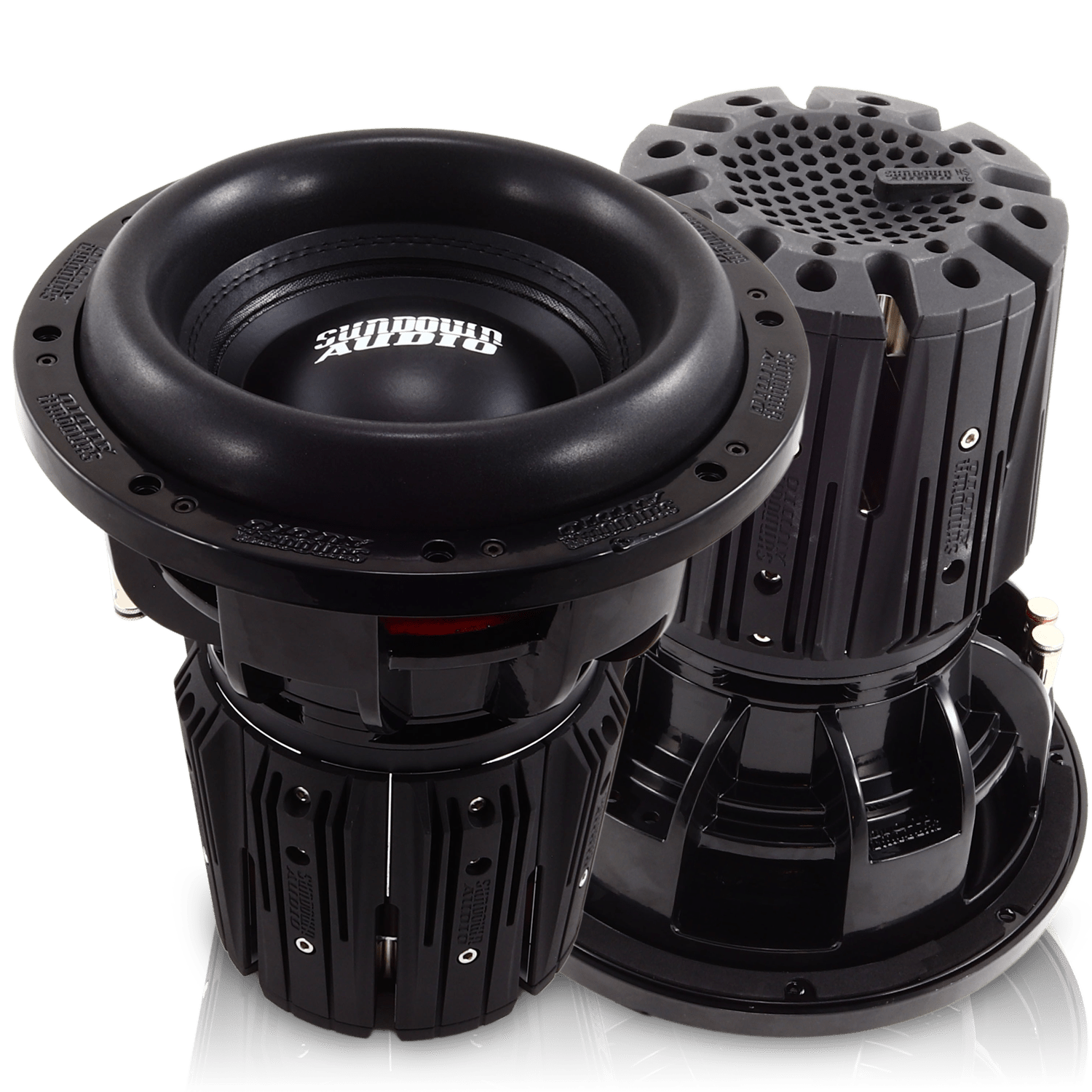
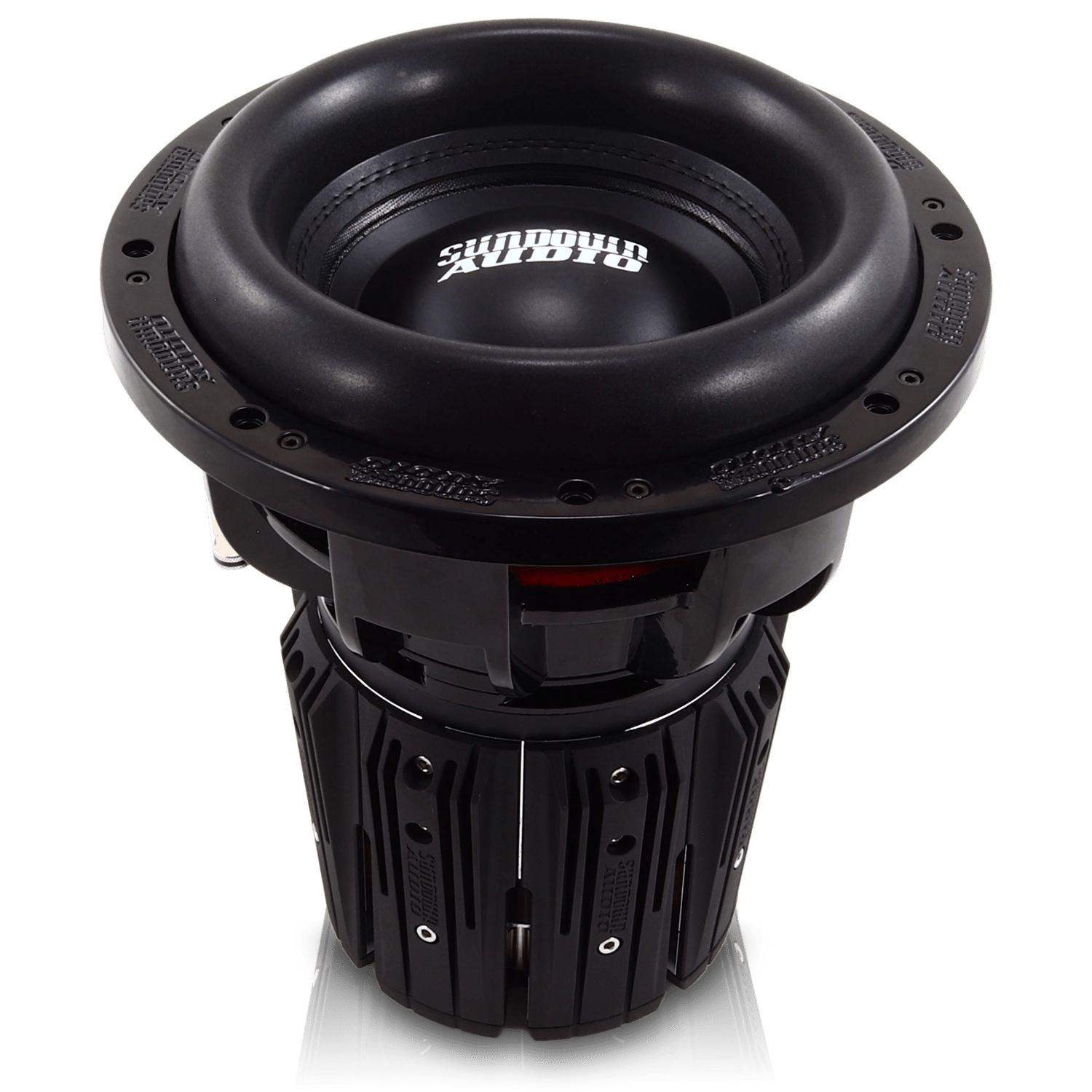

How to Choose the Best 10-Inch Subwoofer for Your Build
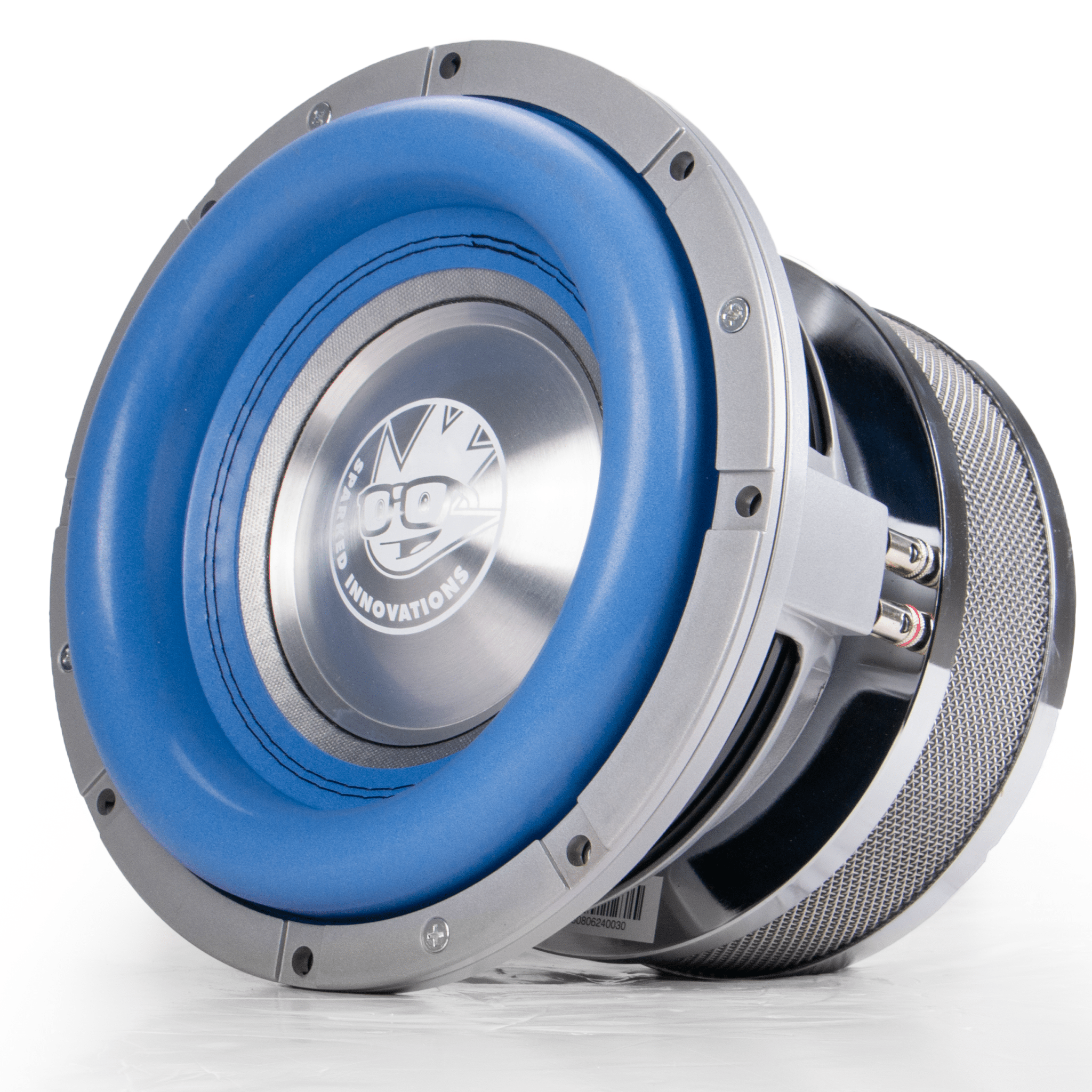
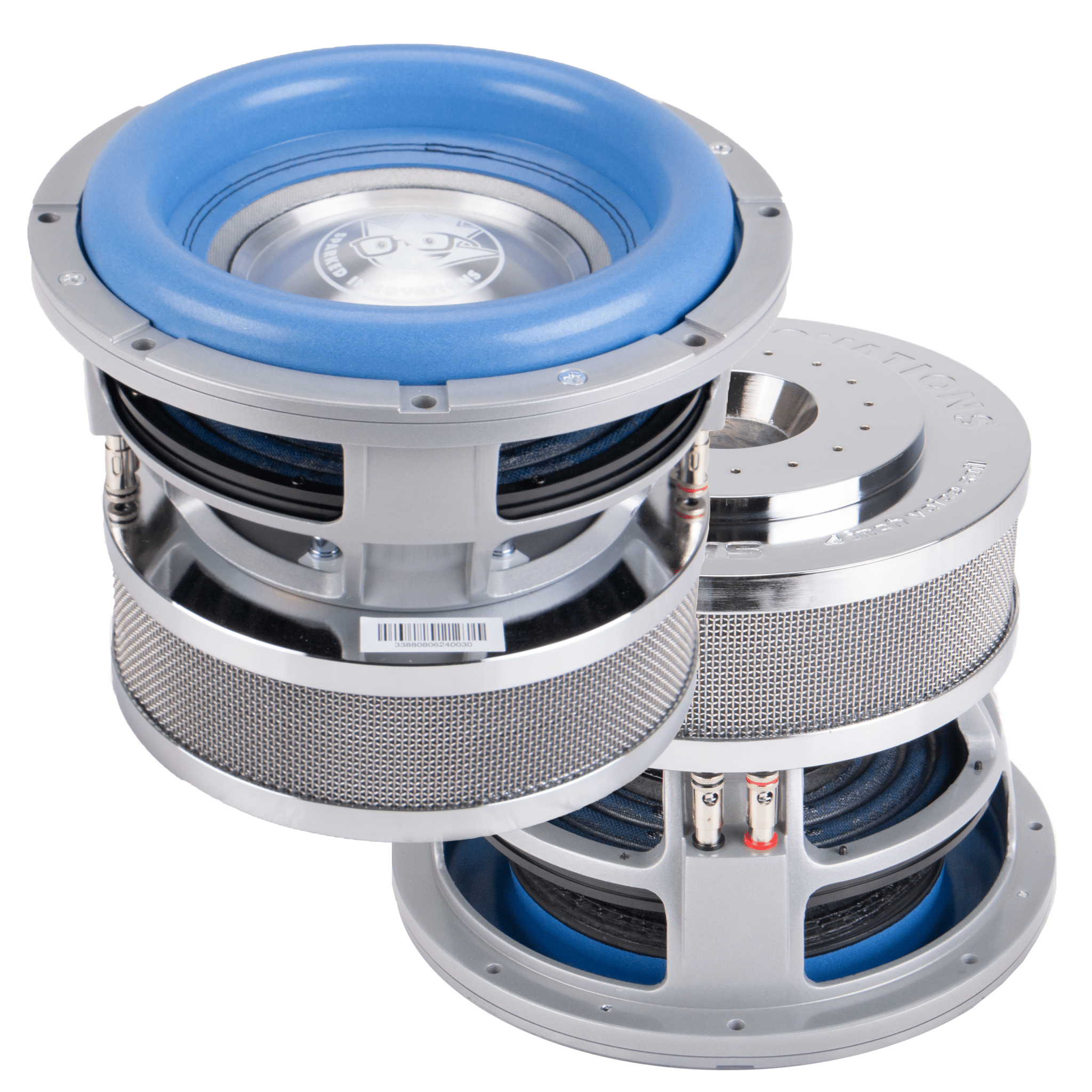
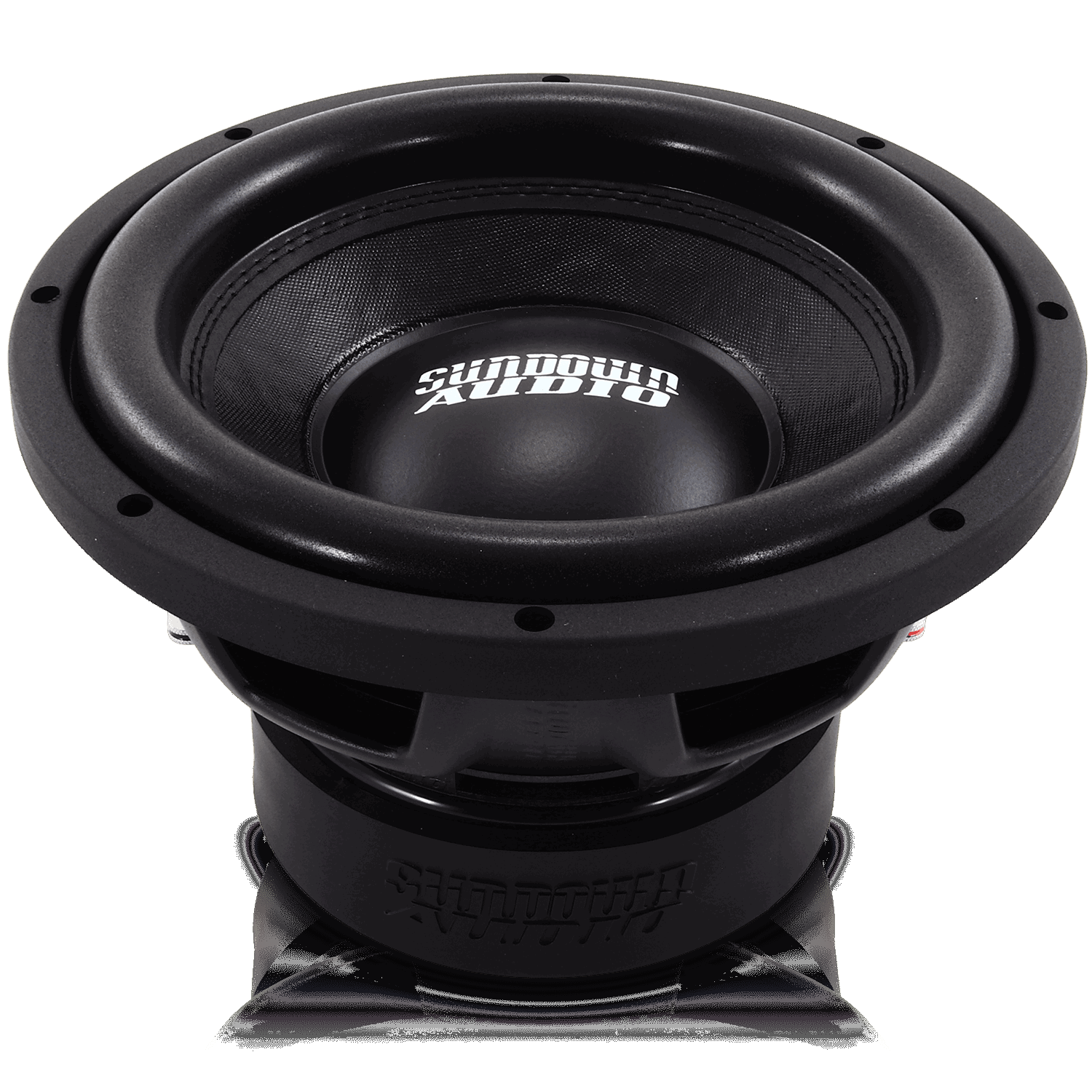
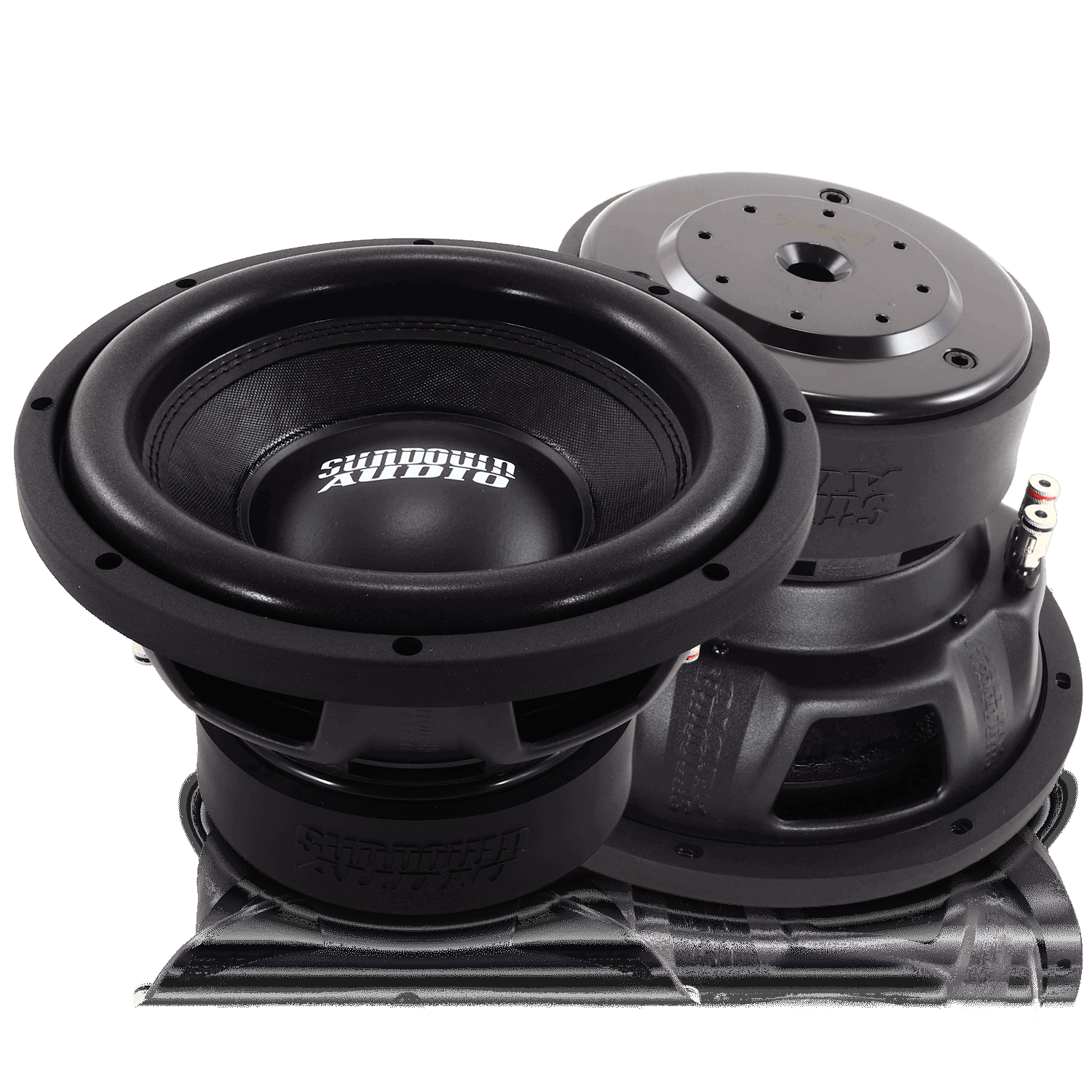
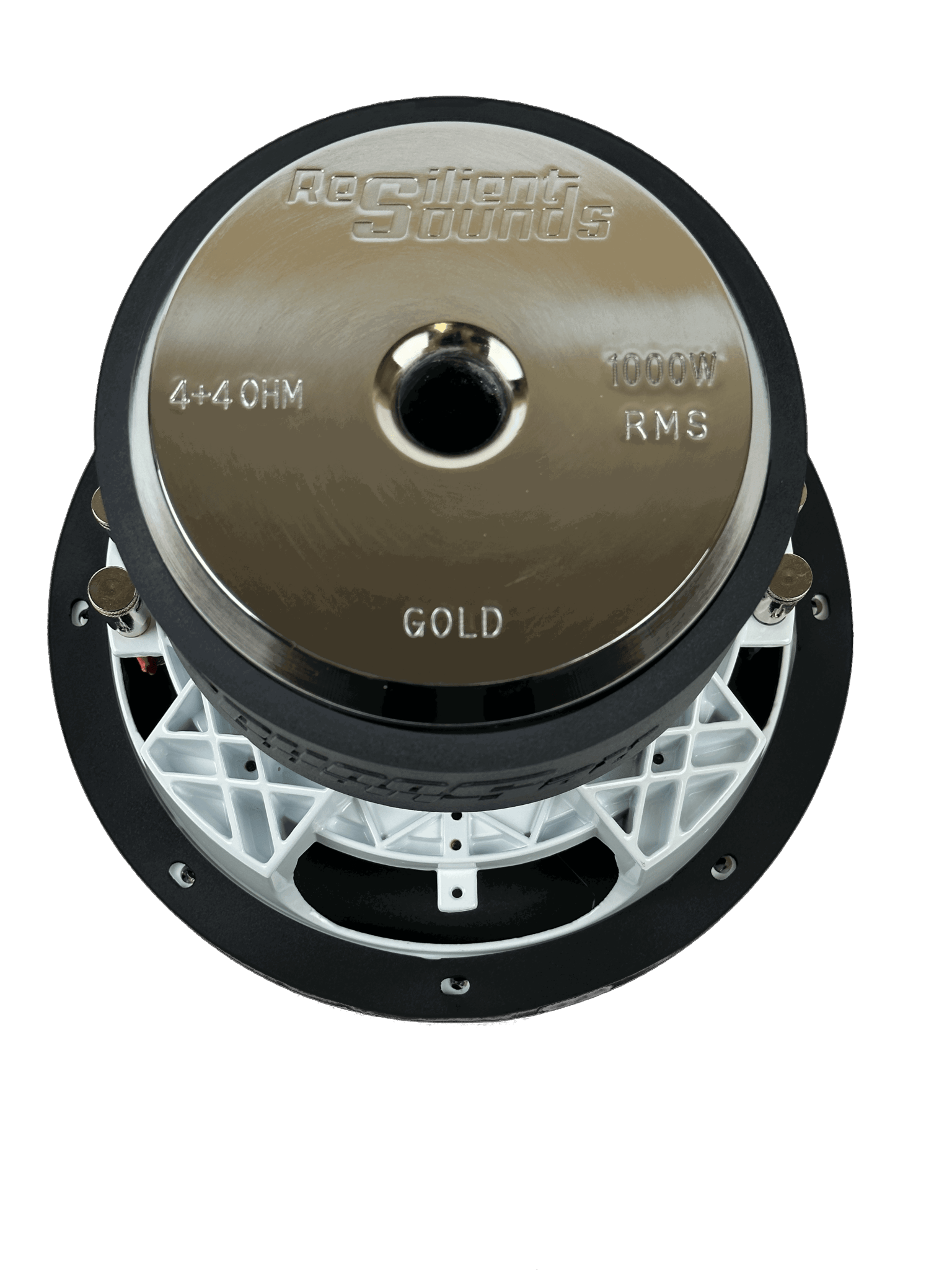
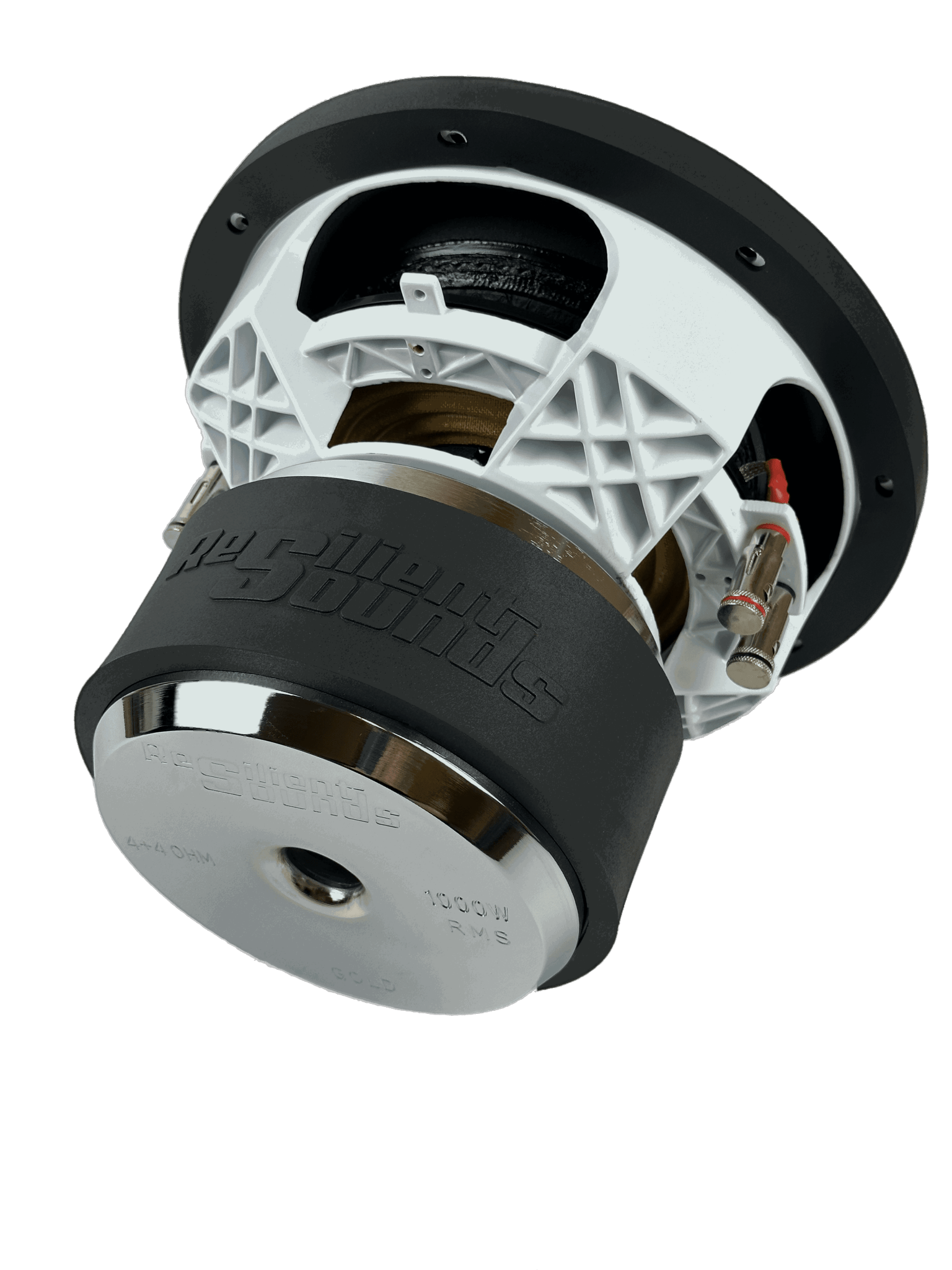
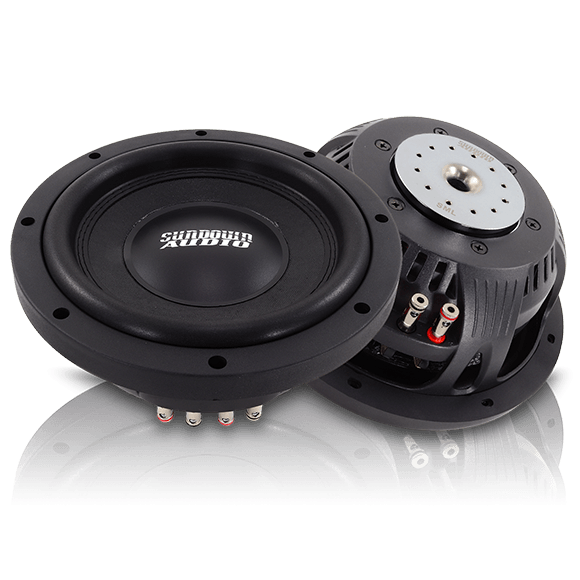
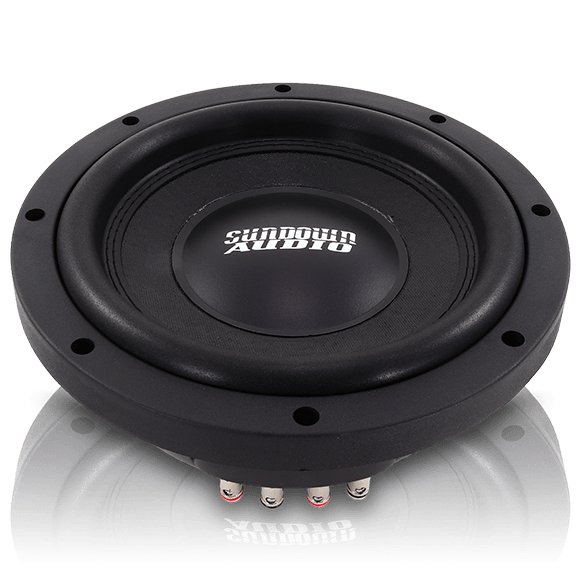
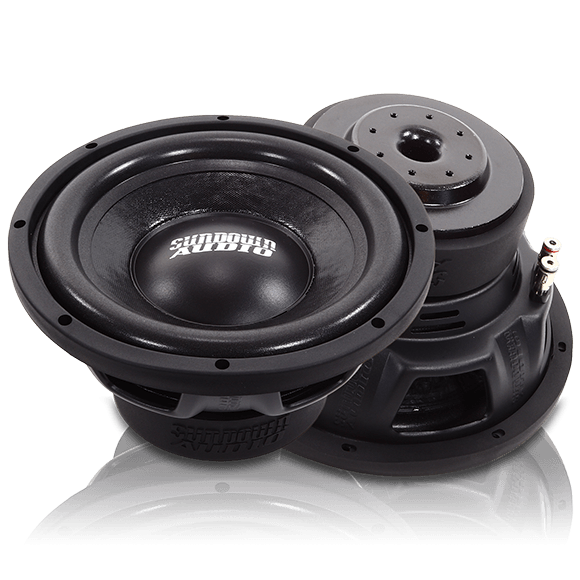
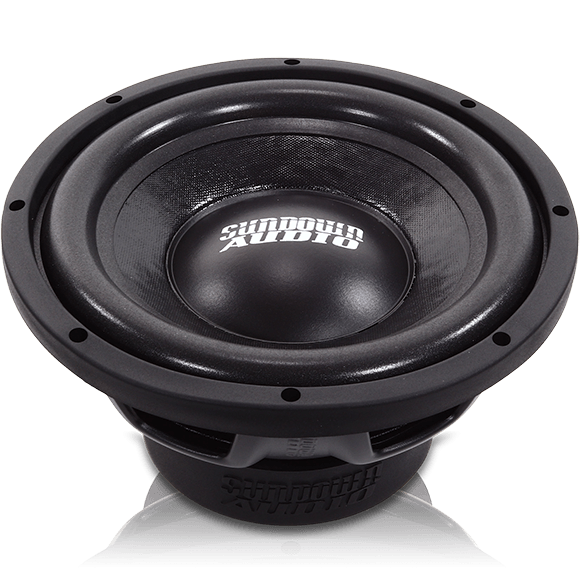
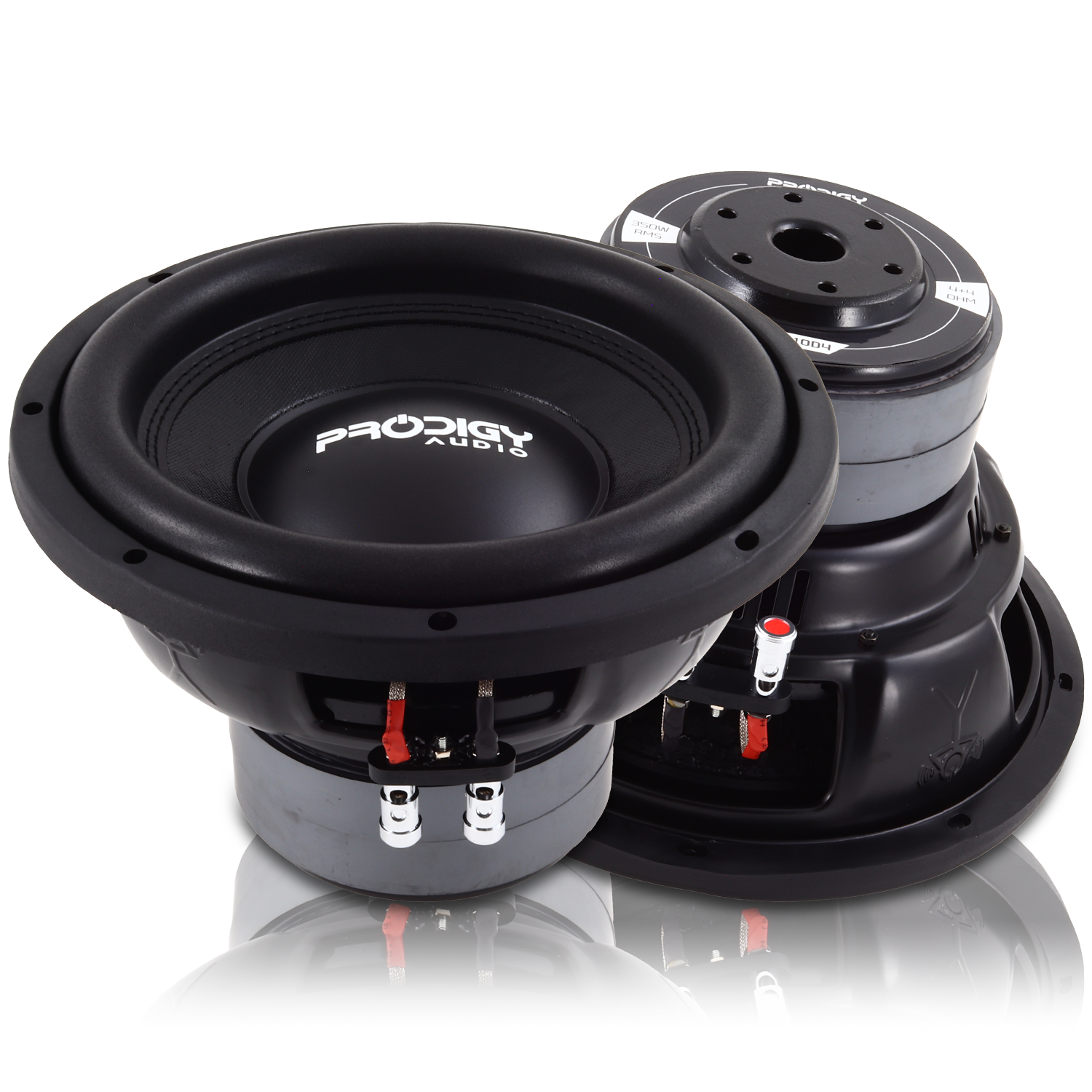
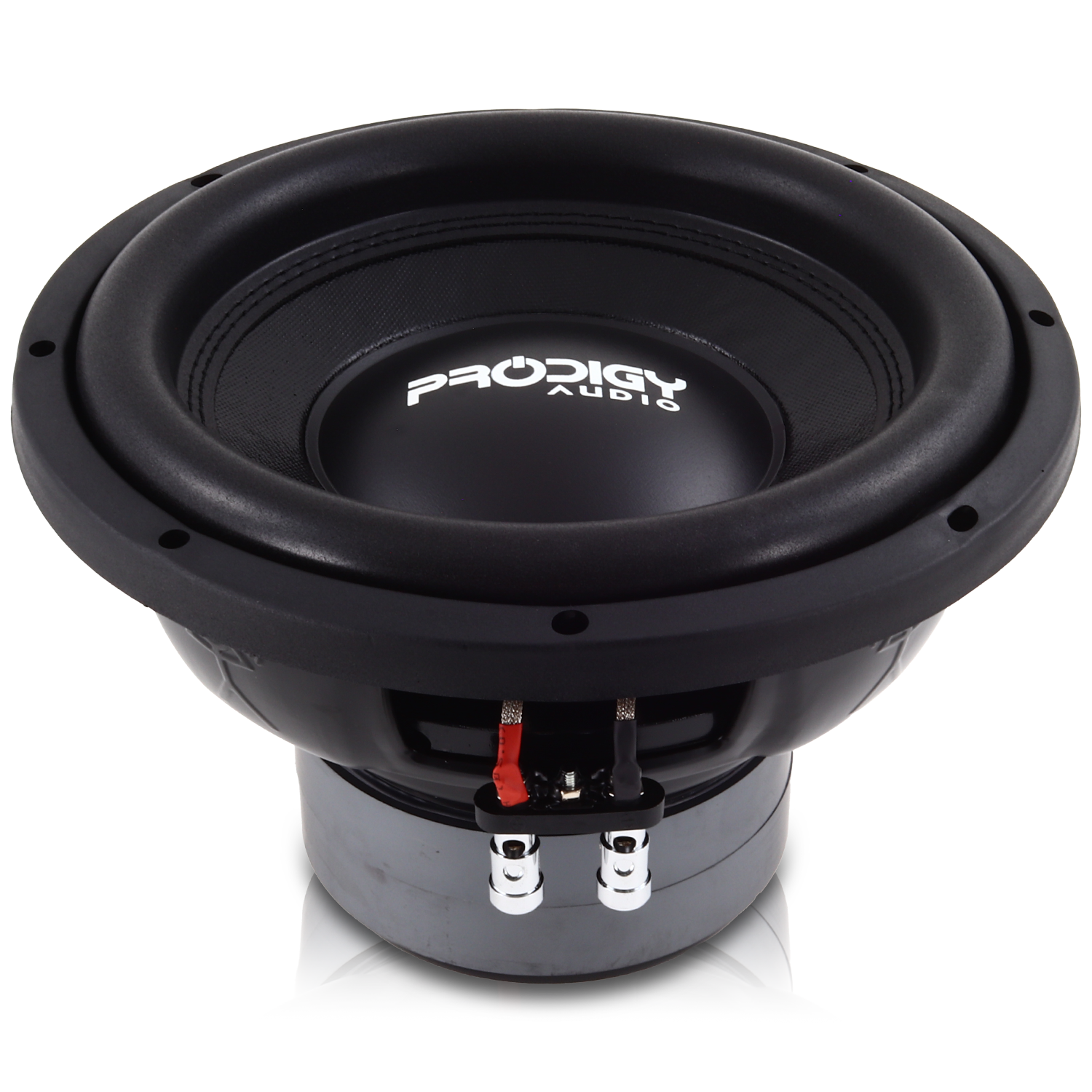
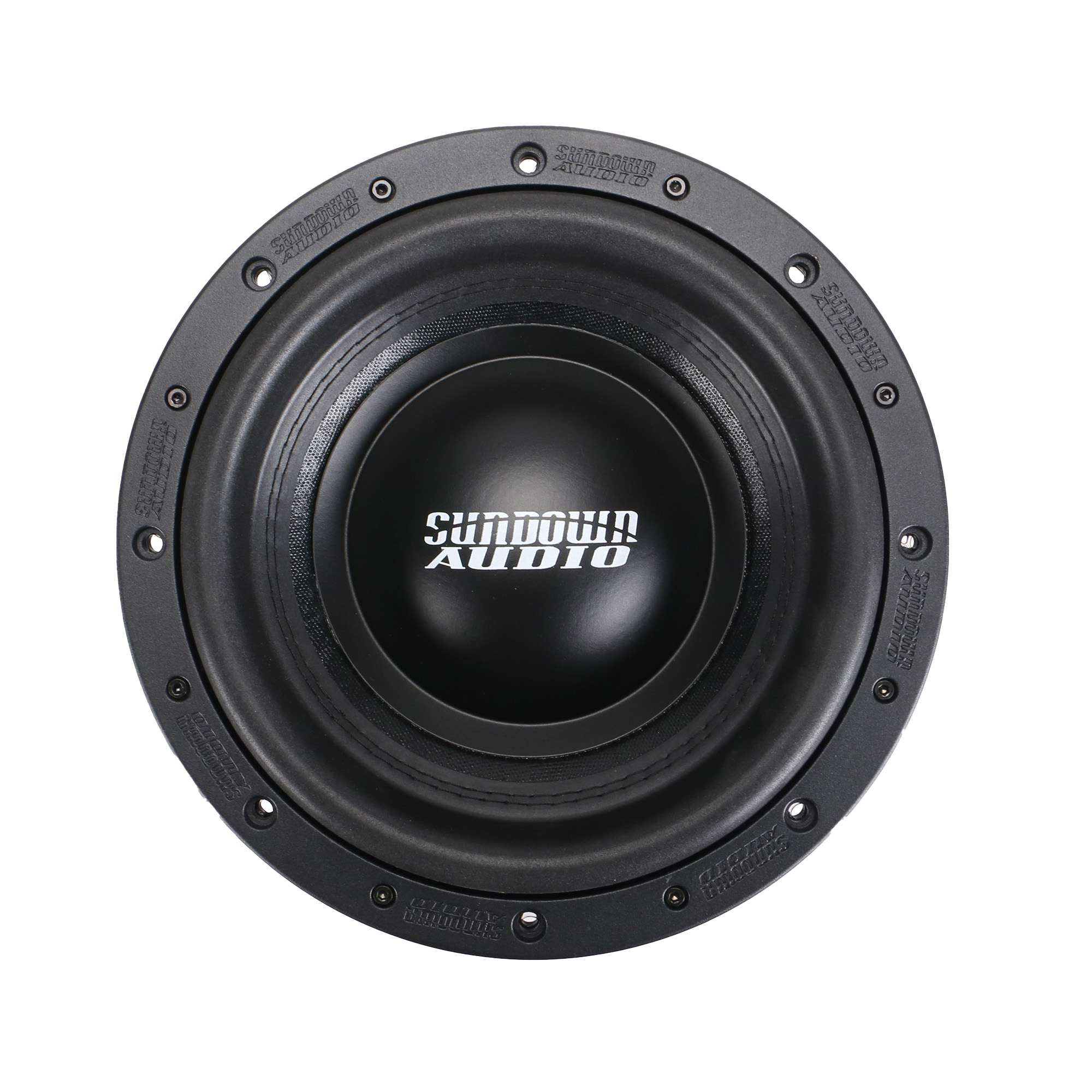
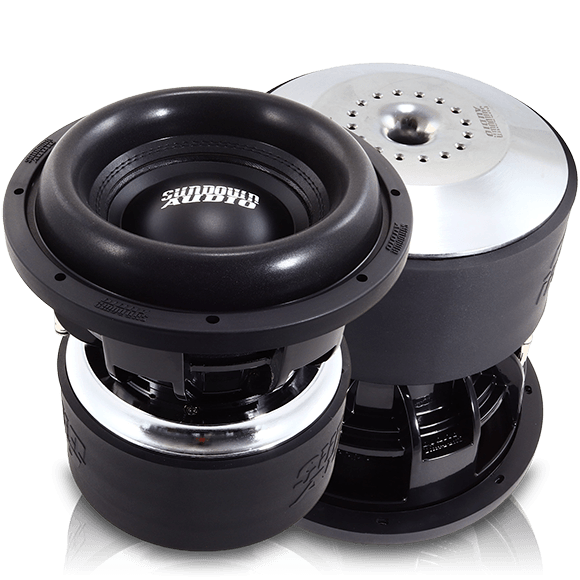
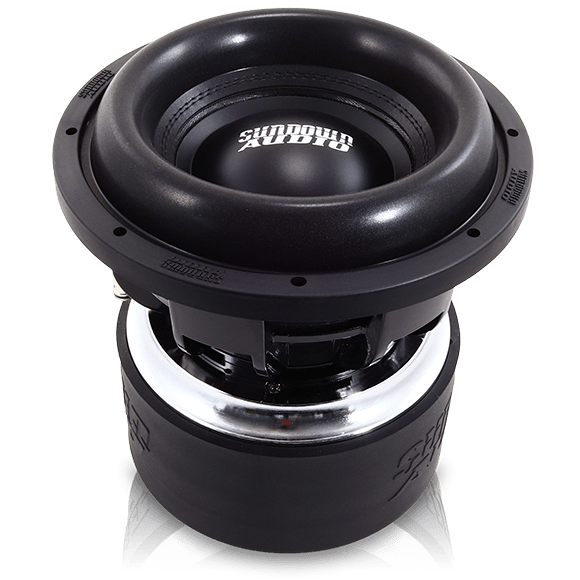
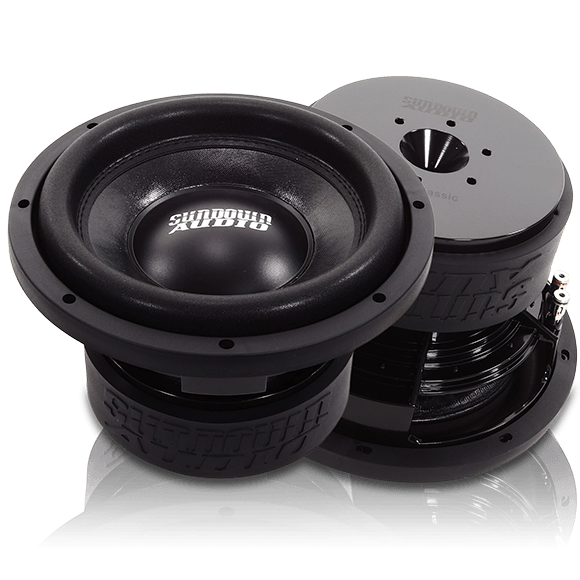
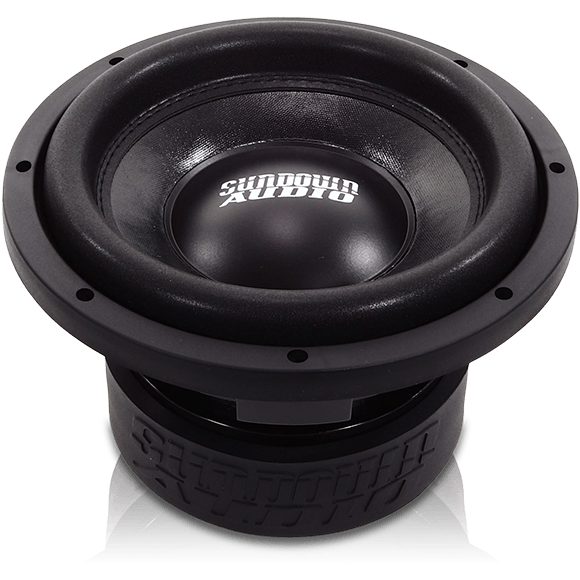
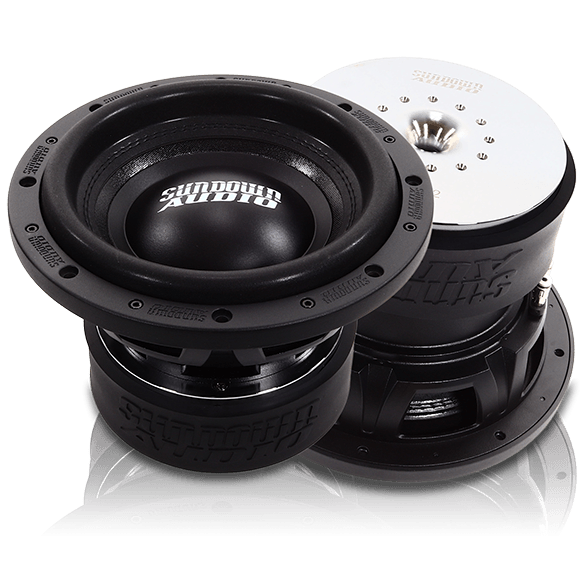
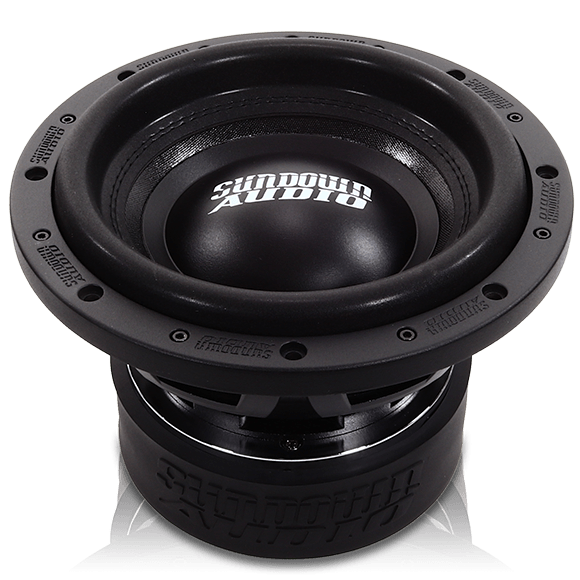
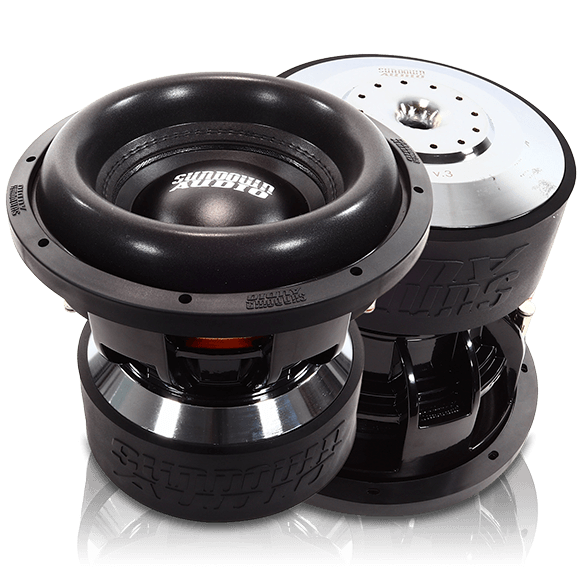
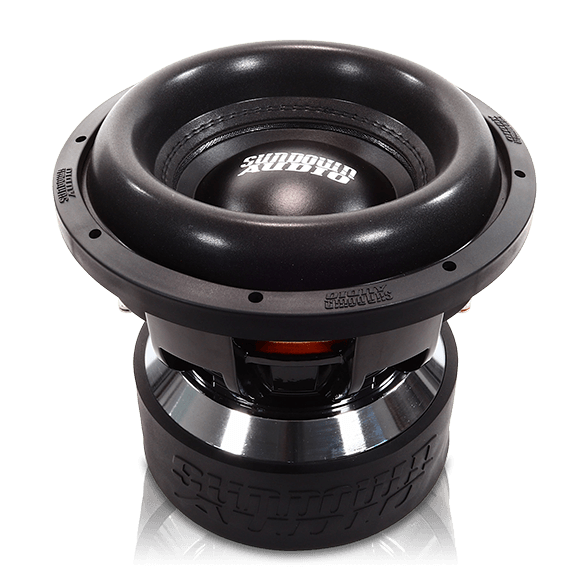
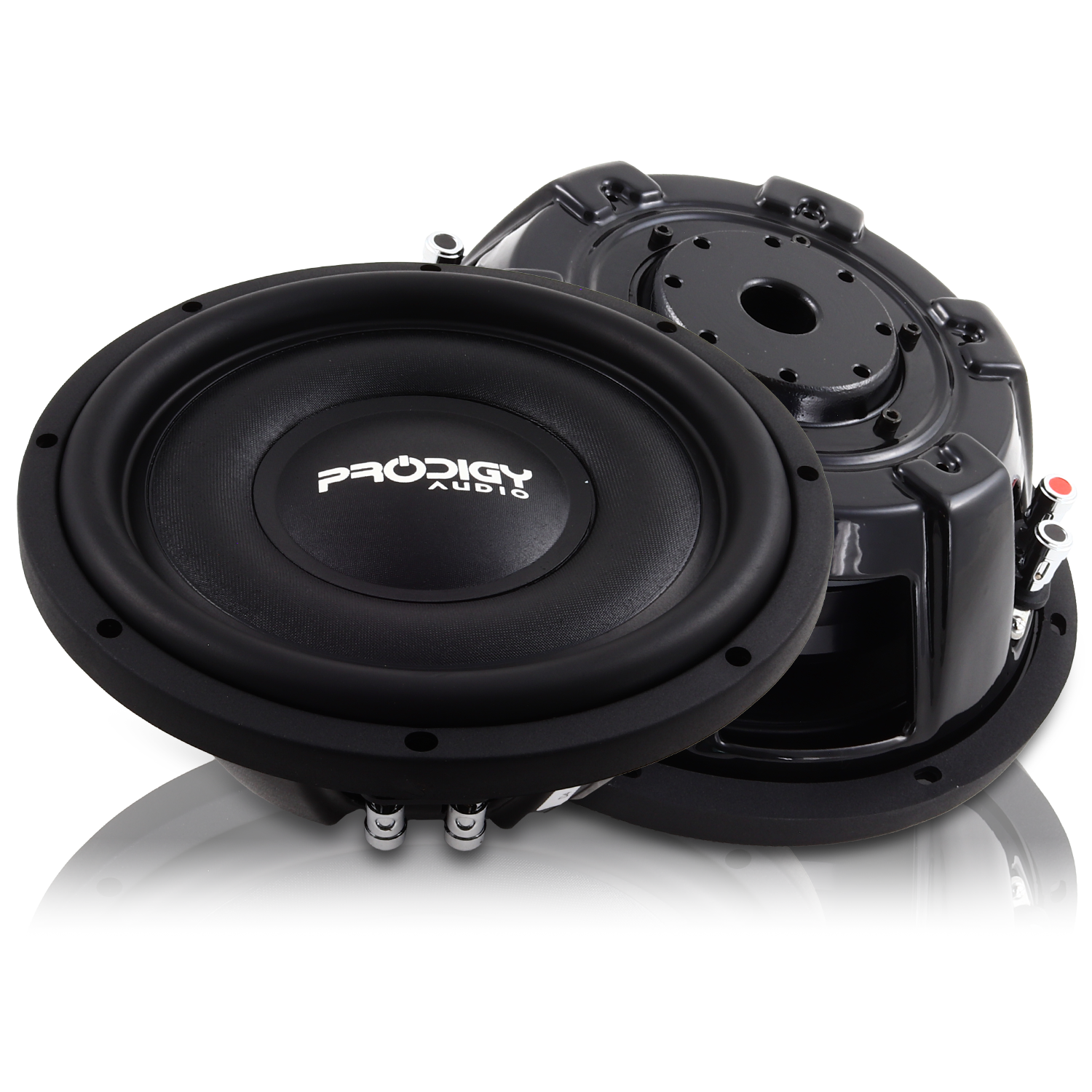
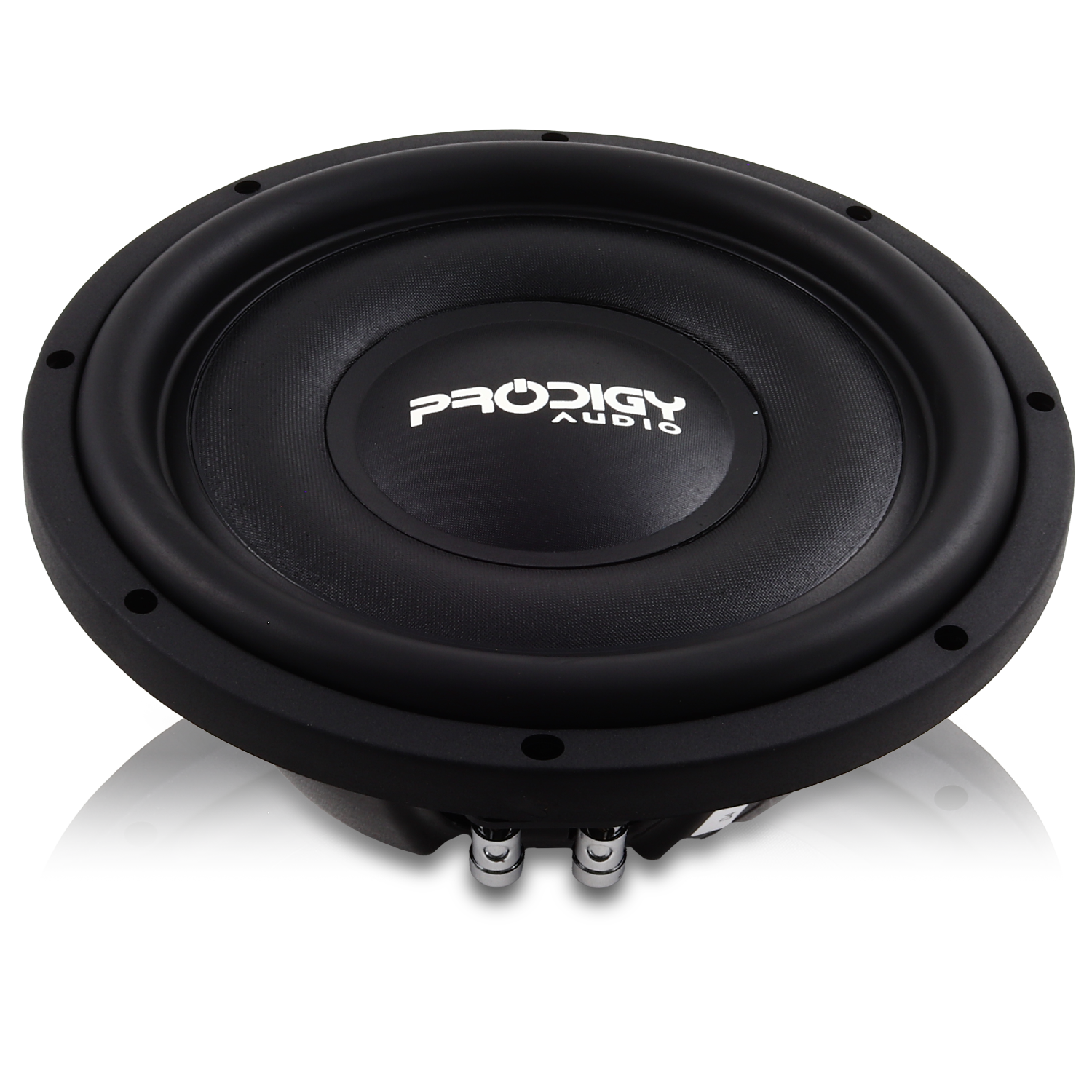
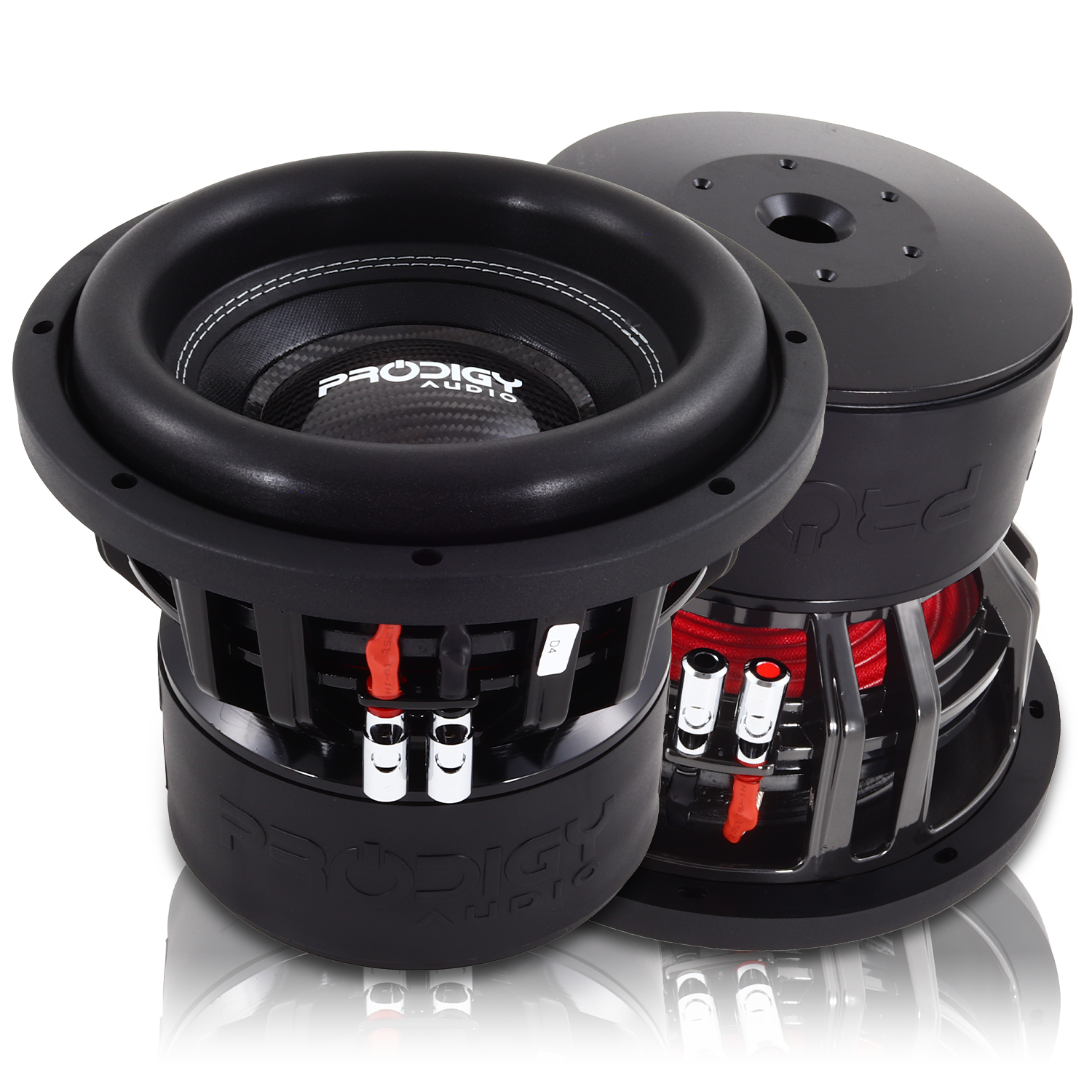
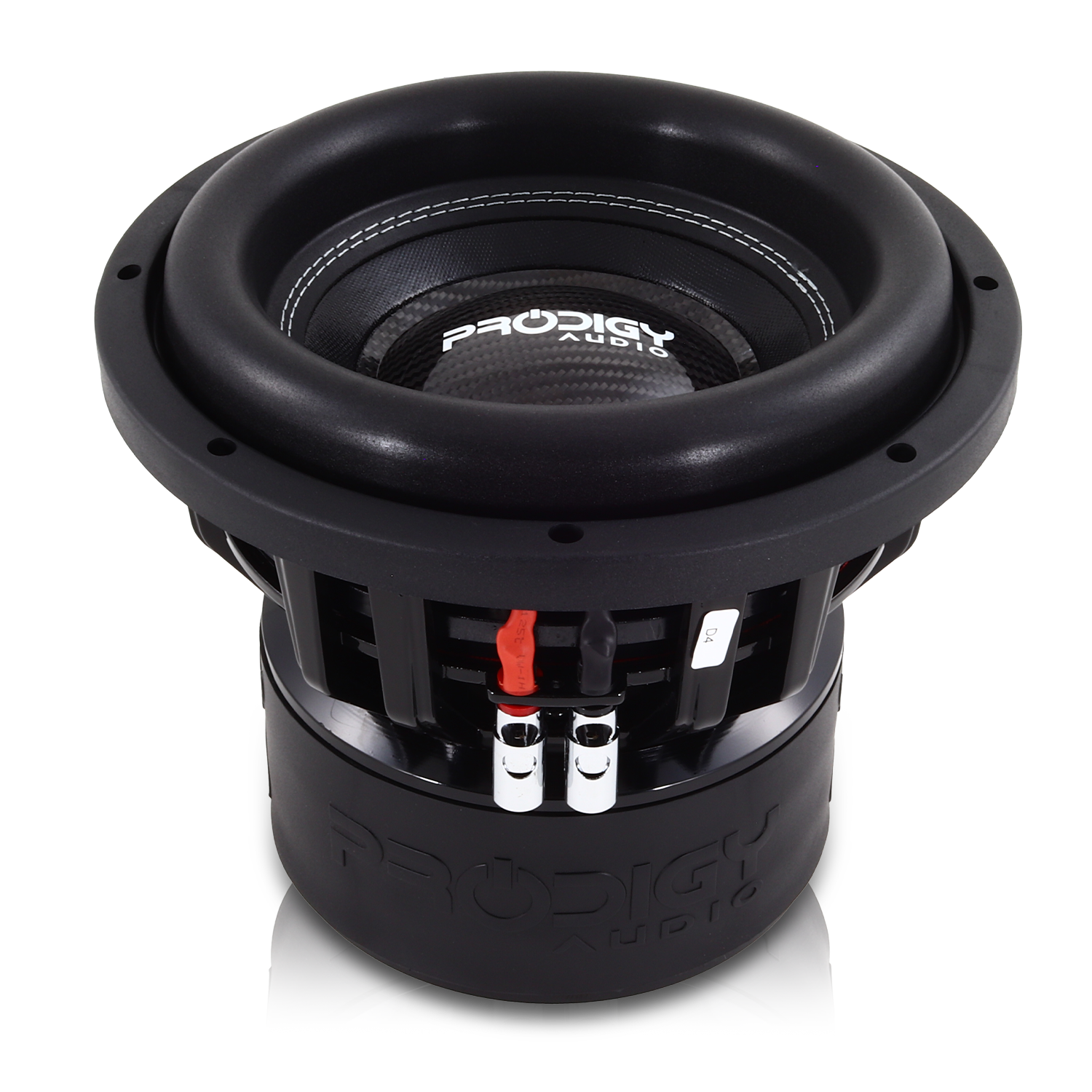
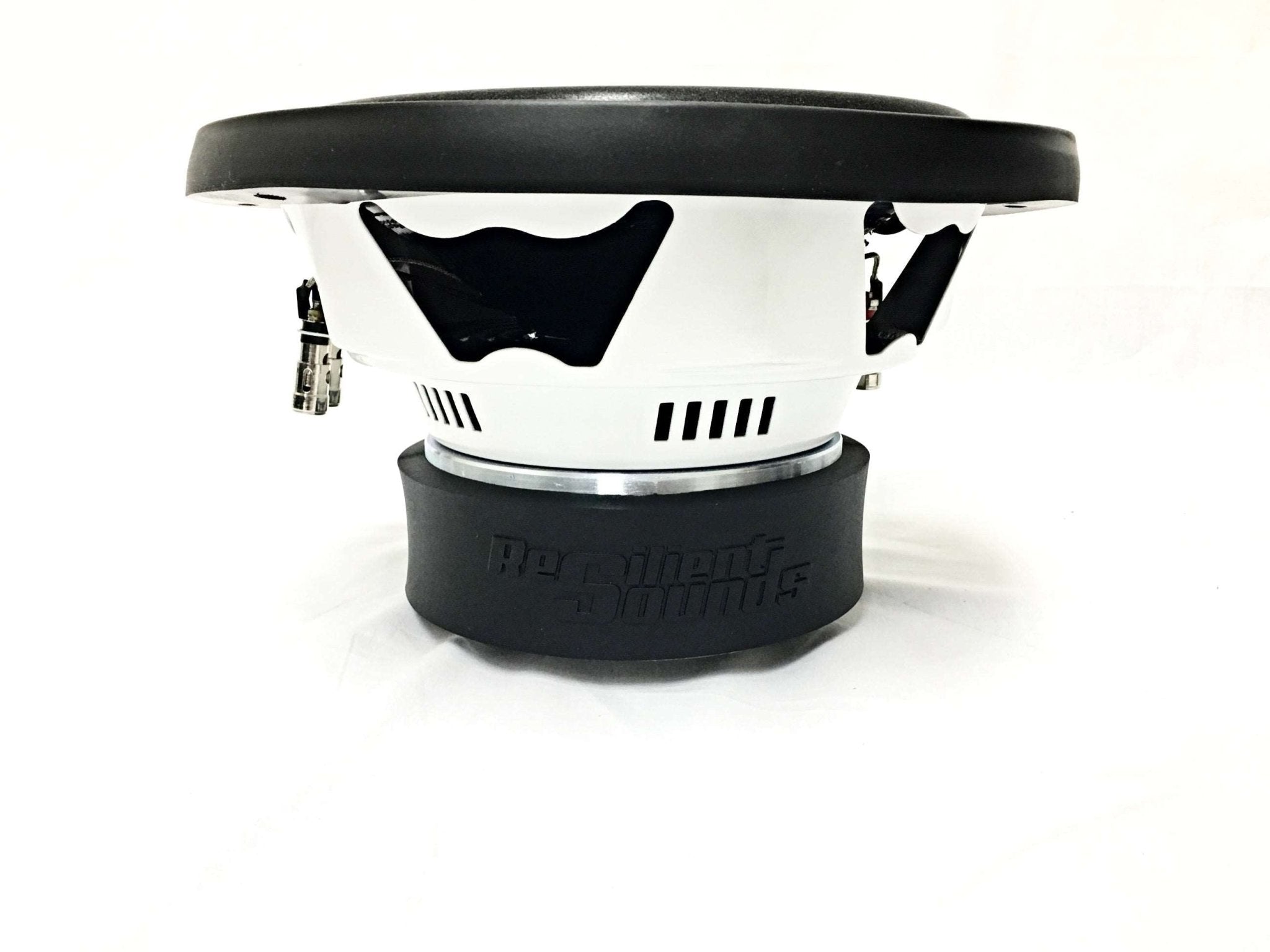
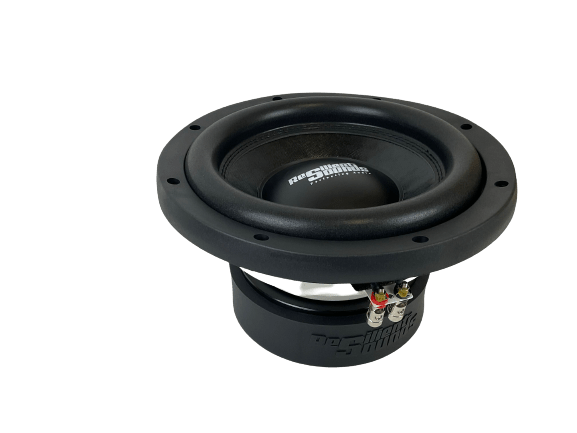
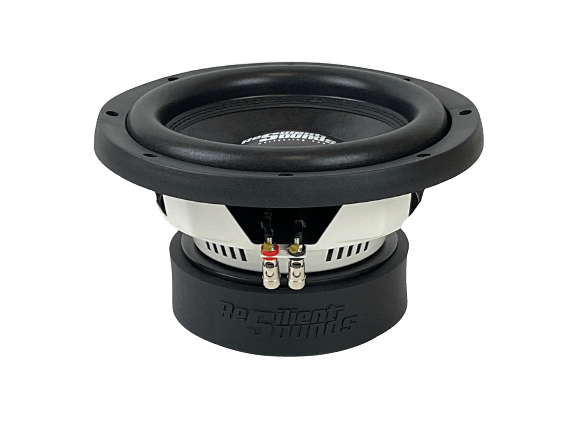
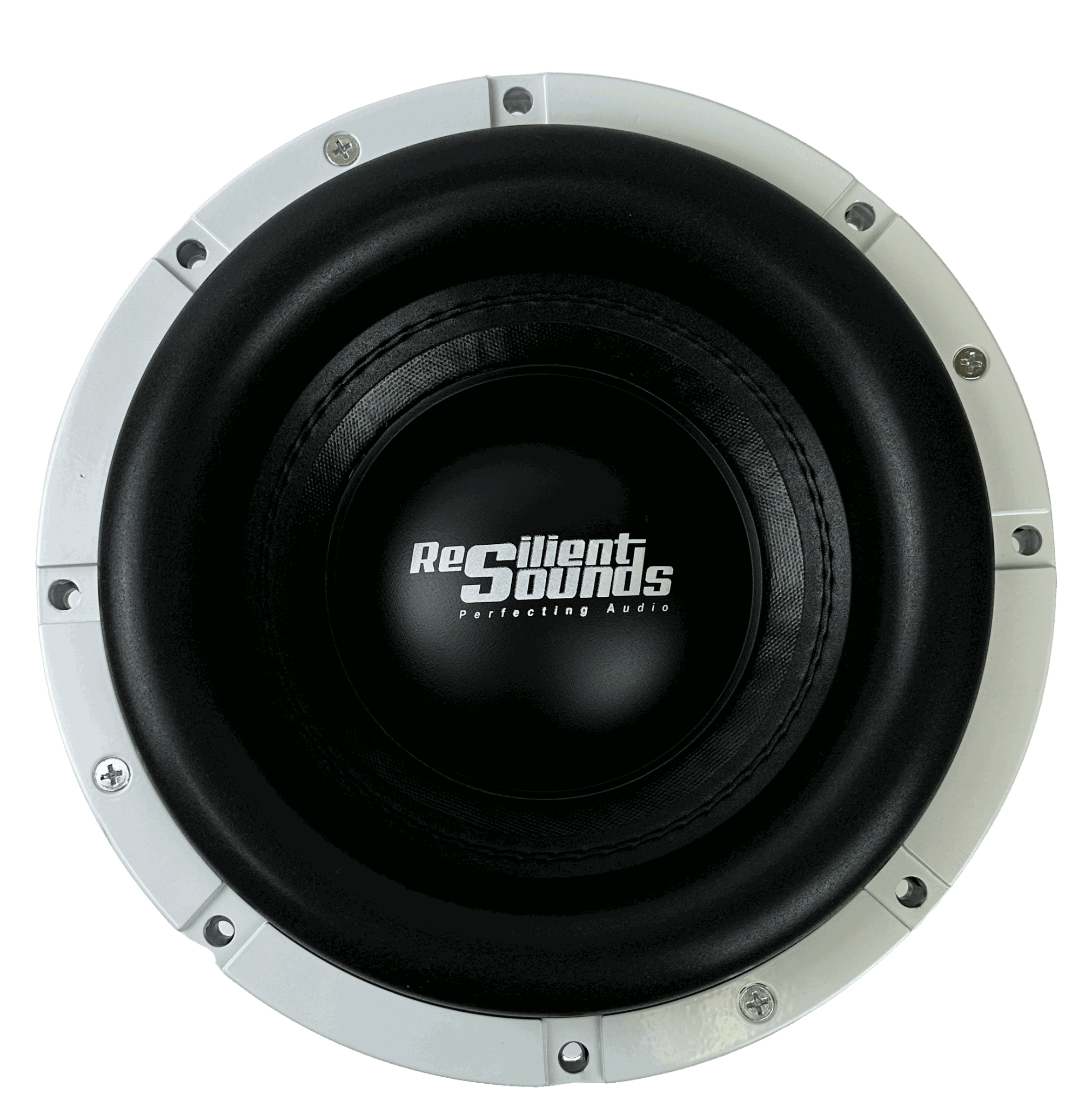
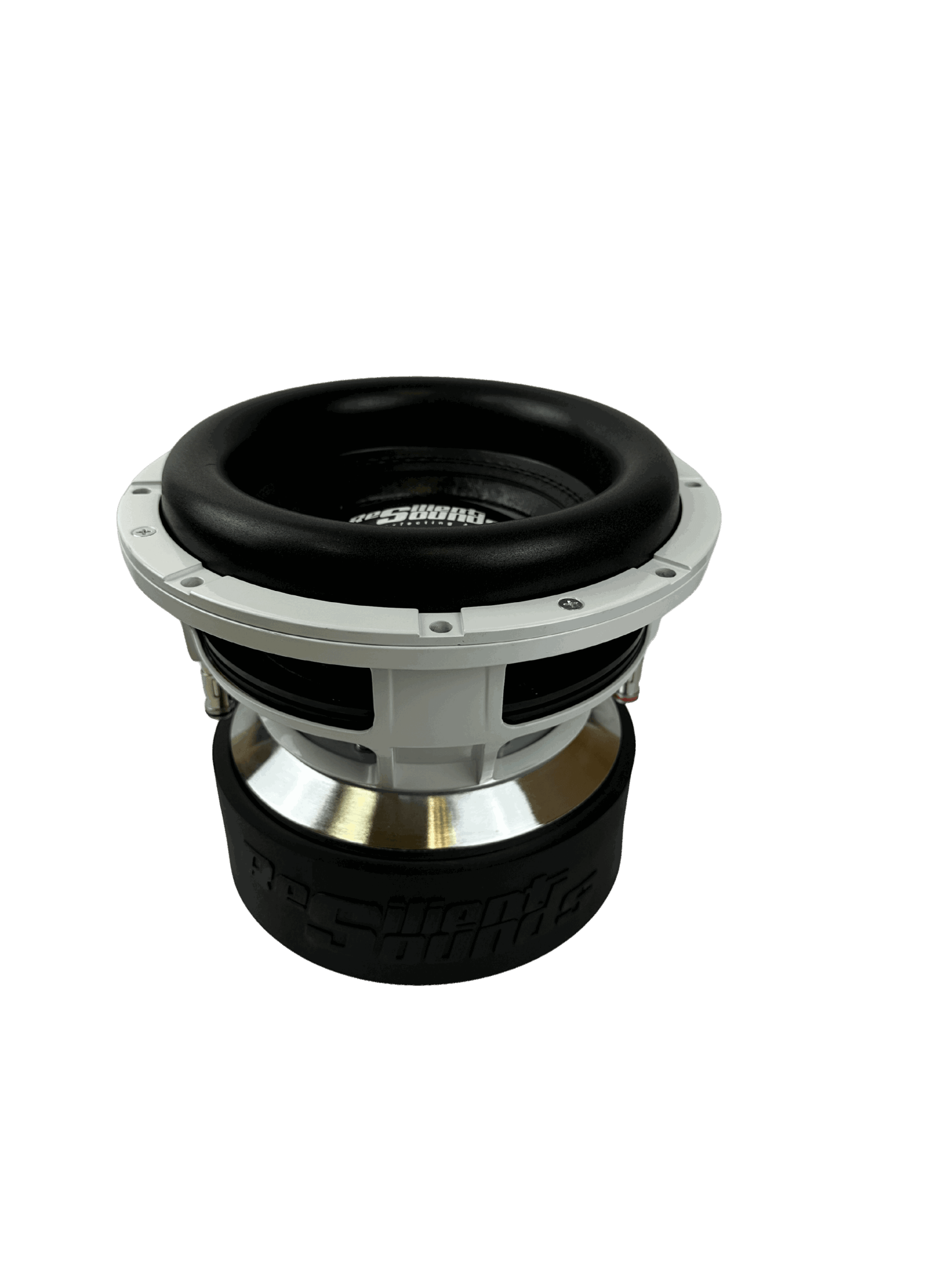
When you are trying to balance transient response with low-frequency extension, the 10 inch subwoofer is the undeniable sweet spot of the car audio industry. A massive 15-inch driver might move more total air, but it requires a massive enclosure and can suffer from sluggish mechanical limitations if not powered correctly. Conversely, an 8-inch driver punches hard but physically cannot drop into the subterranean frequencies without bottoming out.
If you want kick drums that hit like a hammer and basslines that sustain without muddying the rest of your soundstage, finding the best 10 inch subwoofer for your specific vehicle and amplifier is the only logical move. But before you start looking at cone designs and massive magnets, you need to understand the acoustic physics that actually dictate performance.
1. RMS Power vs. Peak Power: What Actually Matters
Let's clear the air immediately: Peak Power (or "Max Power") is a marketing lie designed to sell cheap equipment to uninformed buyers. It represents the theoretical wattage a subwoofer can survive for a fraction of a second before the voice coil melts or the suspension tears itself apart. Ignore it entirely.
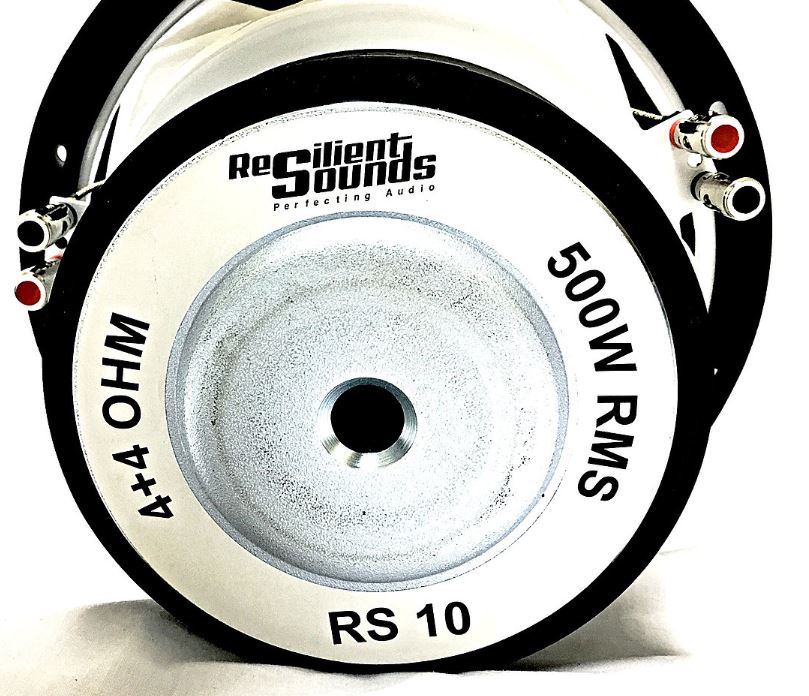
The only metric that dictates your amplifier pairing is the RMS (Root Mean Square) Power. This is the continuous thermal wattage the subwoofer can handle all day long playing heavy bass. If you are looking at a 10 inch sub rated for 750W RMS, you need a monoblock amplifier that outputs exactly 750W to 1000W RMS at your final wired impedance. Underpowering your subs leads to clipping—sending a distorted, squared-off DC waveform to the coil—which is the number one cause of blown equipment.
2. Single vs. Dual Voice Coil (SVC vs. DVC)
The choice between a Single Voice Coil (SVC) and Dual Voice Coil (DVC) does not change the acoustic output or sound quality of the subwoofer. It strictly dictates your wiring flexibility. DVC subwoofers give you multiple impedance options to extract the maximum efficiency from your amplifier.
For example, a DVC 4-ohm 10 inch subwoofer has two separate 4-ohm coils. You can wire them in parallel to drop the final impedance to 2-ohms, or wire them in series to yield an 8-ohm load. If you are running two DVC 4-ohm 10 inch subs, you can wire them all in parallel to drop the final load to a punishing 1-ohm, forcing your Class-D monoblock amplifier to output its maximum rated power. Always check your amplifier's minimum stable impedance before choosing your coil configuration.
3. Enclosure Selection: Sealed vs. Ported
You can buy the most expensive 10 inch subwoofer on the market, but if you put it in a garbage enclosure, it will sound like garbage. The box is just as important as the driver. 10-inch subs generally require much less equivalent compliance volume (Vas) than larger drivers, making them ideal for tight spaces.
- Sealed Enclosures: A sealed box acts as an acoustic suspension system. The trapped air acts like a shock absorber against the back of the cone, providing a perfectly flat frequency response and extremely tight, accurate bass. If you listen to rock, metal, or fast-paced EDM, sealed is the correct architectural choice.
- Ported (Vented) Enclosures: Ported boxes use a tuned vent to redirect the rear wave of the subwoofer out into the cabin, massively increasing acoustic output around the tuning frequency (Fb). If you want aggressive, heavy bass for hip-hop or R&B, ported is the answer. However, the enclosure must be built to the exact cubic footage and tuning specifications dictated by the manufacturer, or the subwoofer will unload mechanically and destroy itself.
Frequently Asked Questions About 10" Subs
Are two 10-inch subs louder than one 12-inch sub?
Yes. This is a simple matter of cone area (Sd) physics. A standard 12-inch subwoofer has roughly 113 square inches of surface area pushing air. Two 10-inch subs have a combined surface area of roughly 150 square inches. Assuming you have the correct amplifier power and optimal enclosure volume for both setups, the dual 10-inch configuration will move significantly more air and generate higher SPL (Sound Pressure Level).
How much amplifier power do I need for a 10-inch sub?
You need an amplifier that produces an RMS wattage equal to or slightly exceeding the RMS rating of the subwoofer at the final wired impedance. For a modern aftermarket 10 inch sub, the standard baseline is typically between 500W and 1000W RMS. Do not buy a 2000W peak amplifier for a 500W RMS subwoofer if the amp cannot deliver clean, unclipped RMS power.