
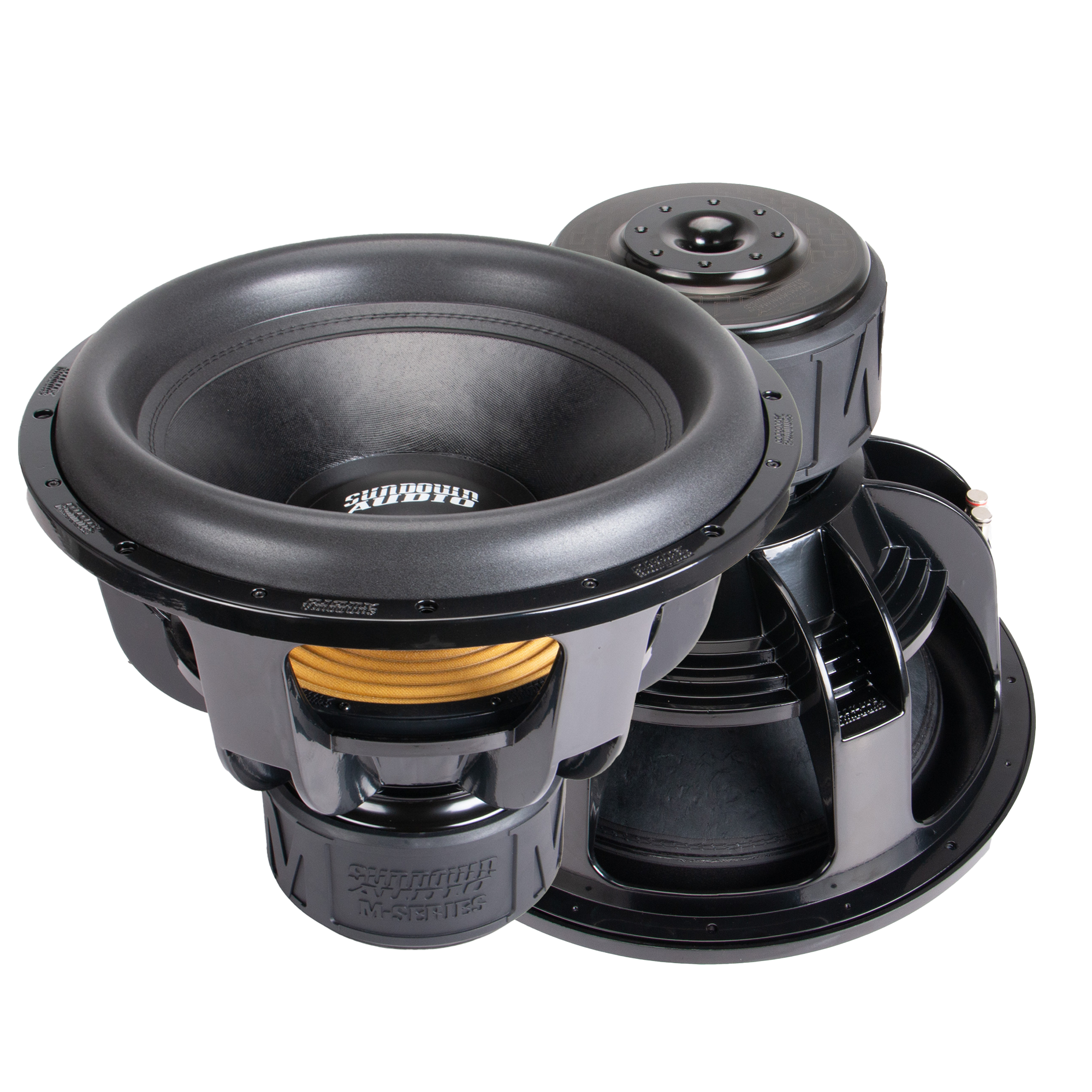
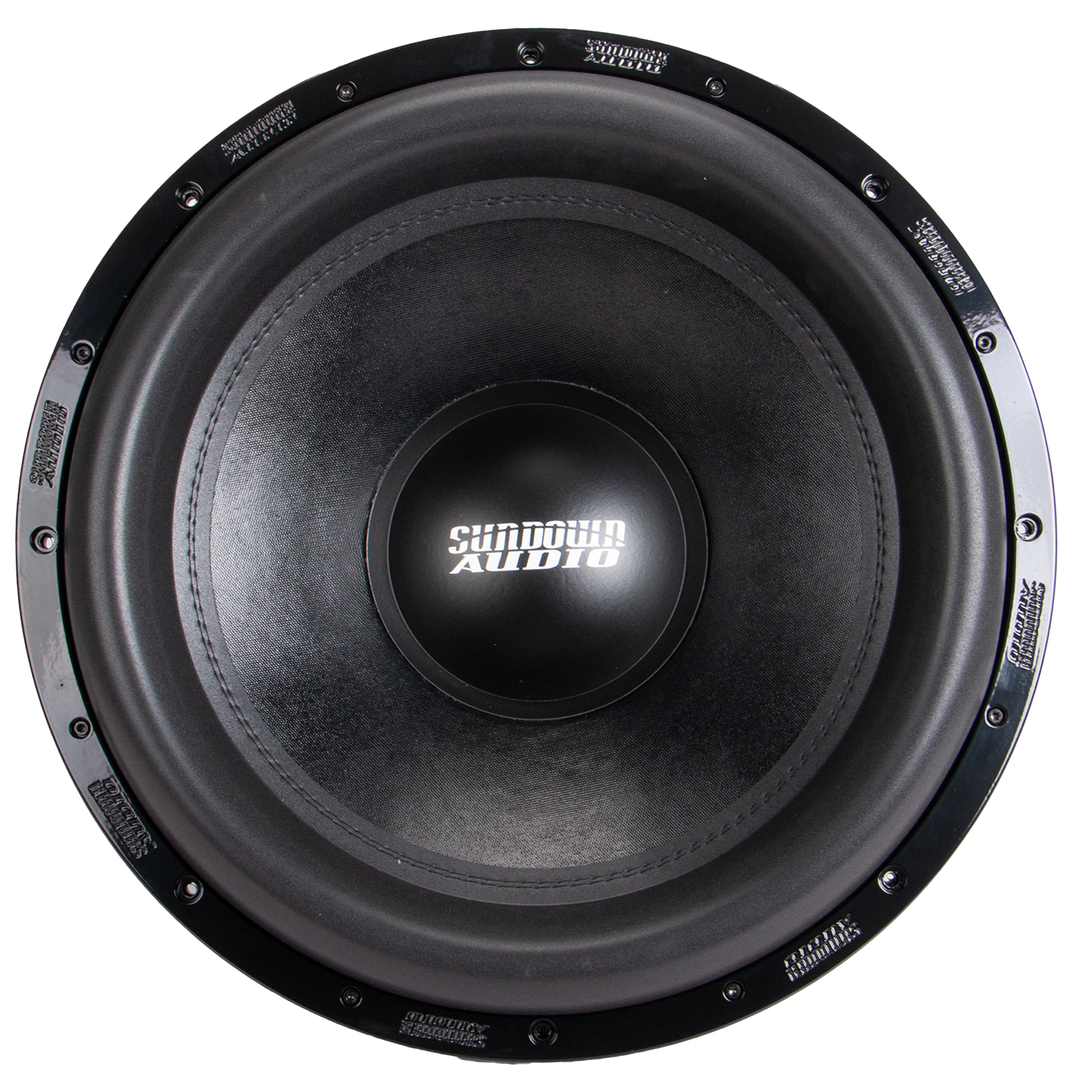
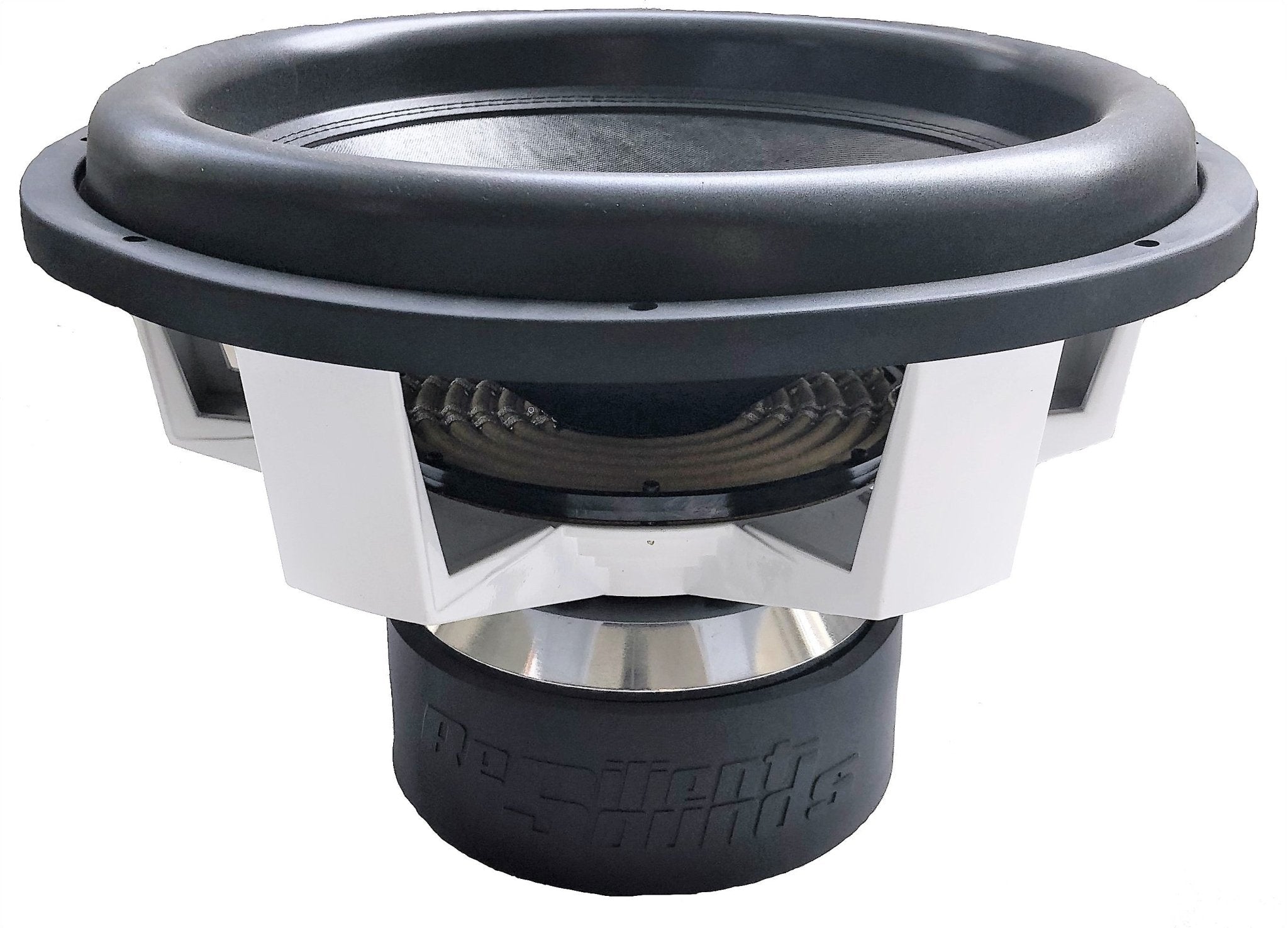
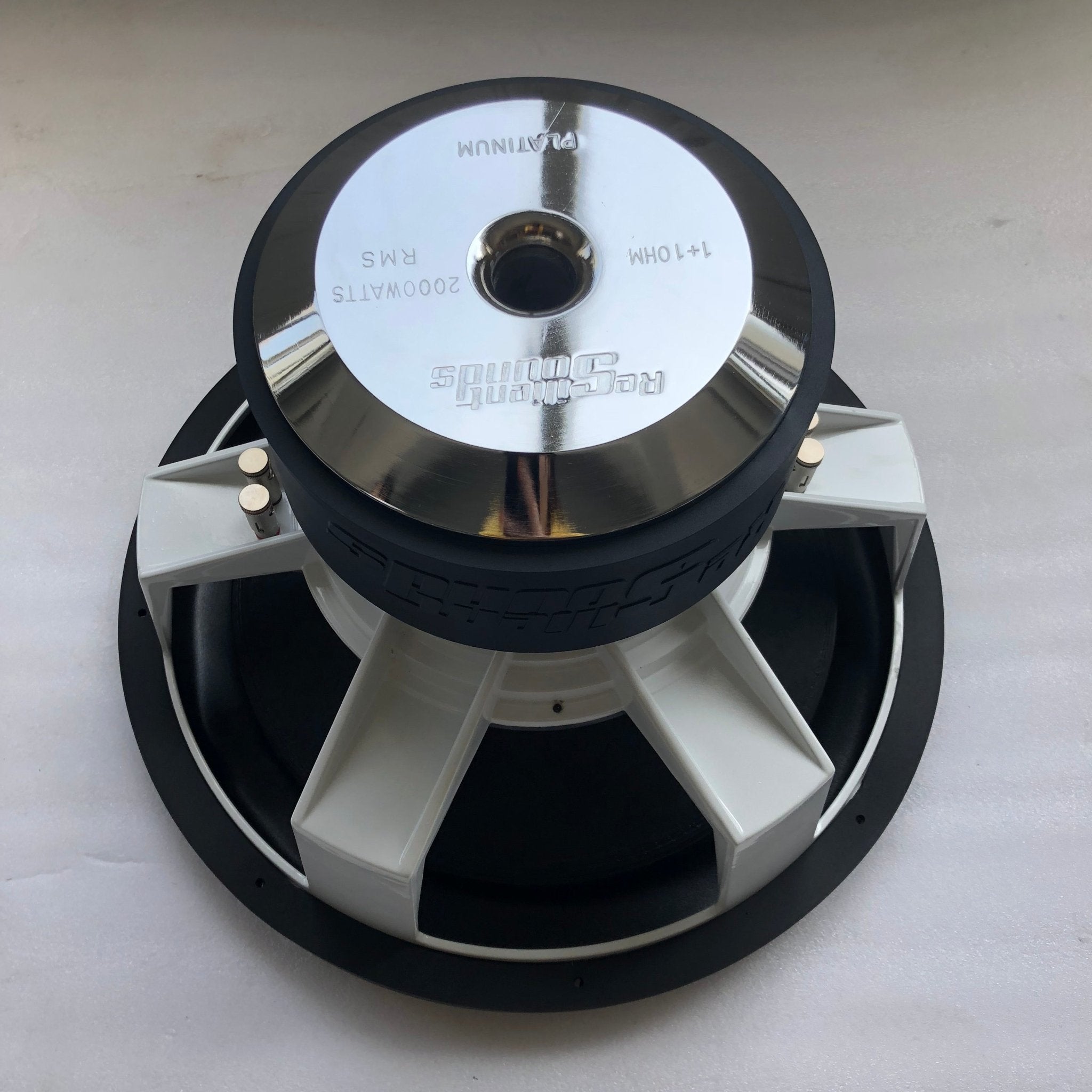
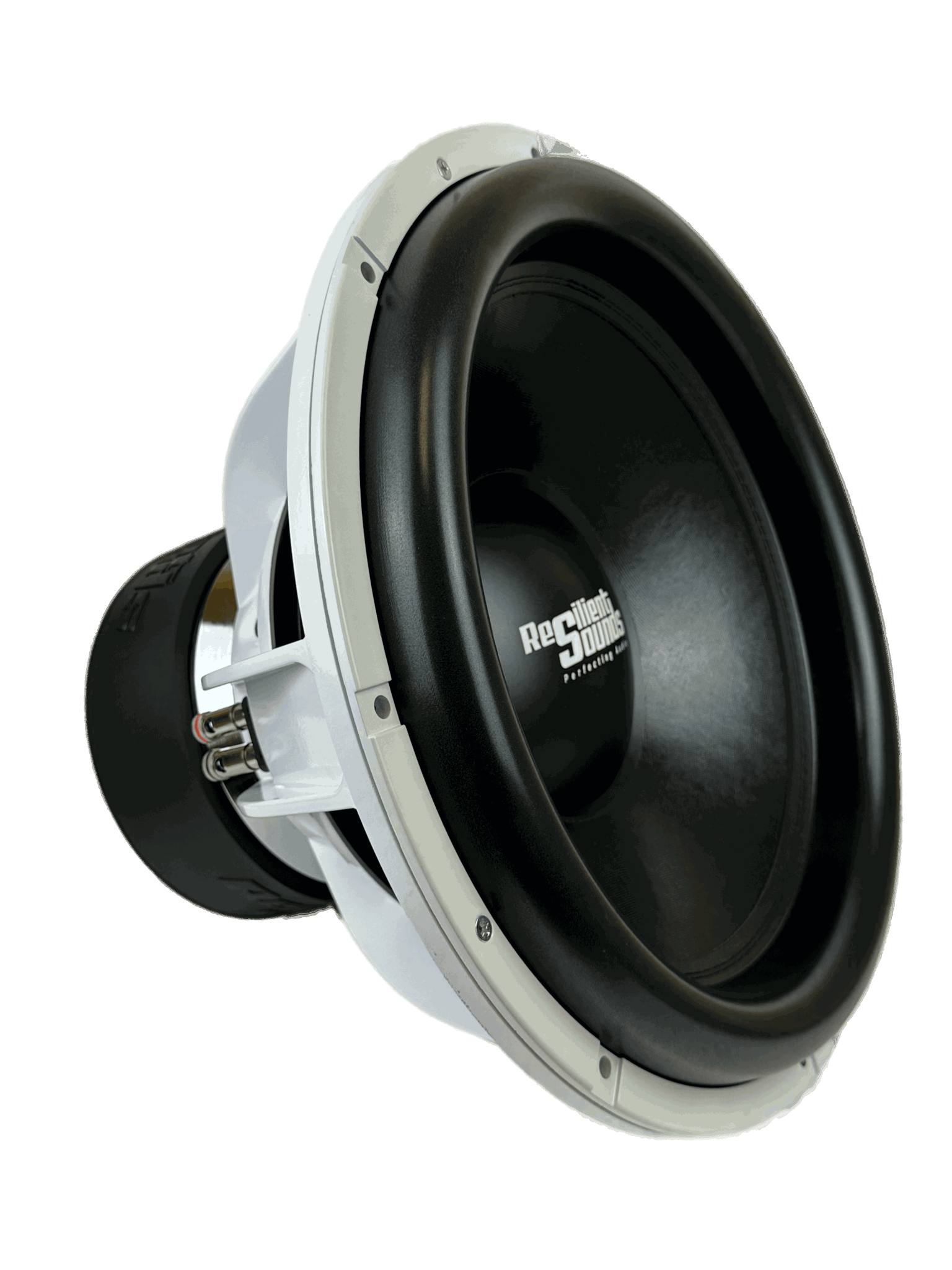
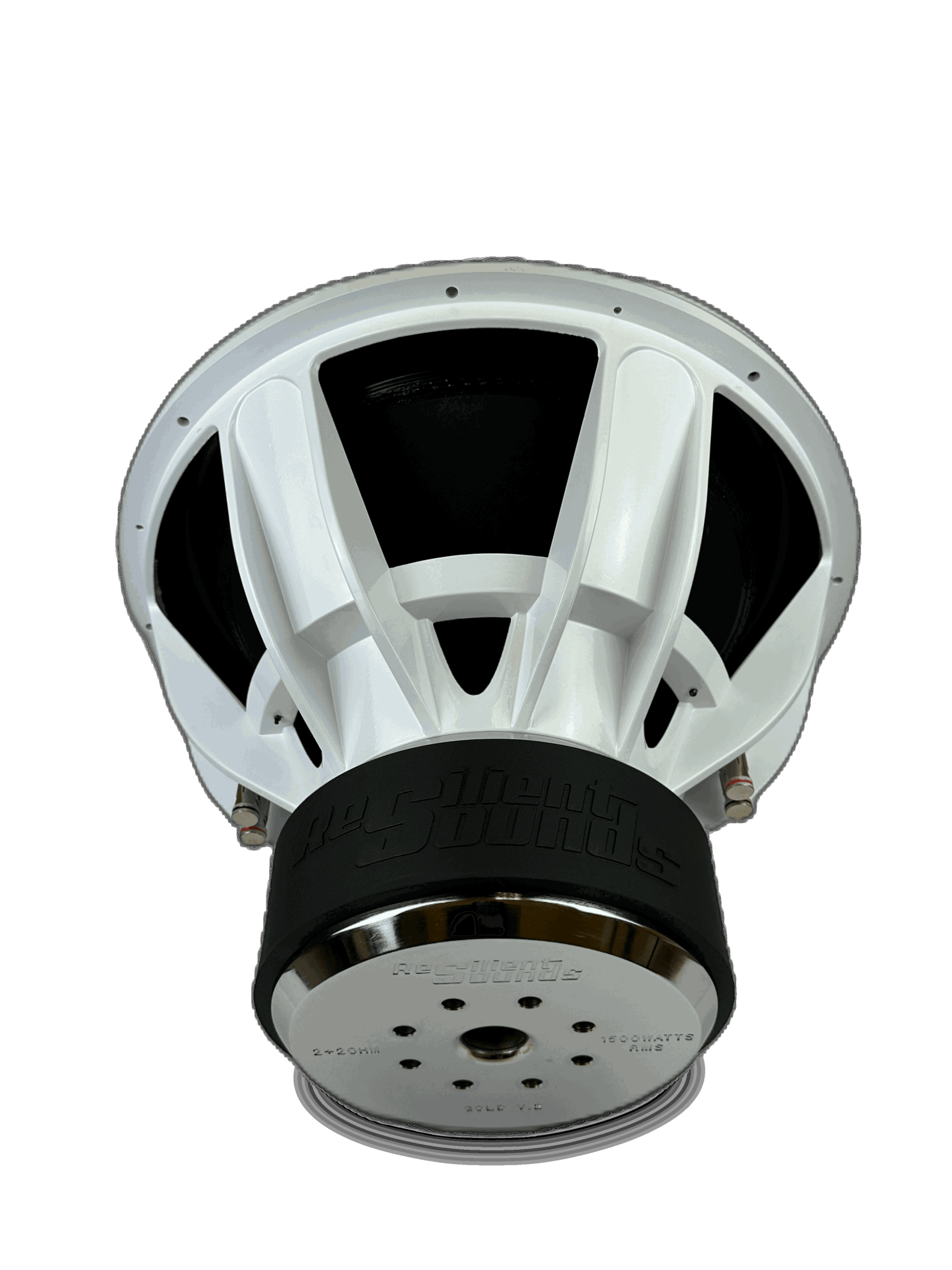

How to Choose the Best 18-Inch Subwoofer for Your Build
There is a massive amount of marketing noise surrounding 18-inch subwoofers. Most of it conflates cone diameter with thermal power limits, leading buyers to assume that every 18-inch driver requires a 5000W amplifier and a high-output alternator. This is physically incorrect.
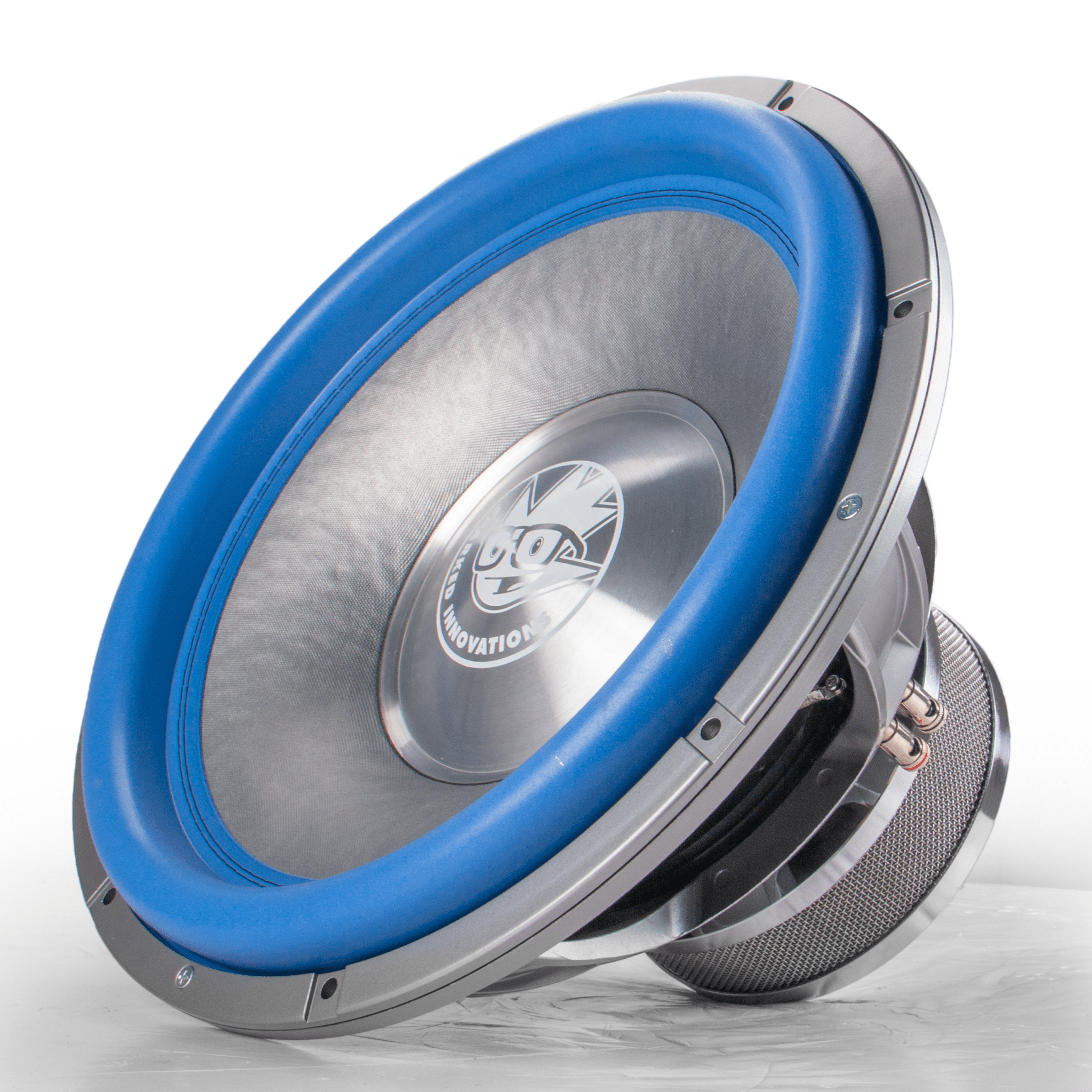
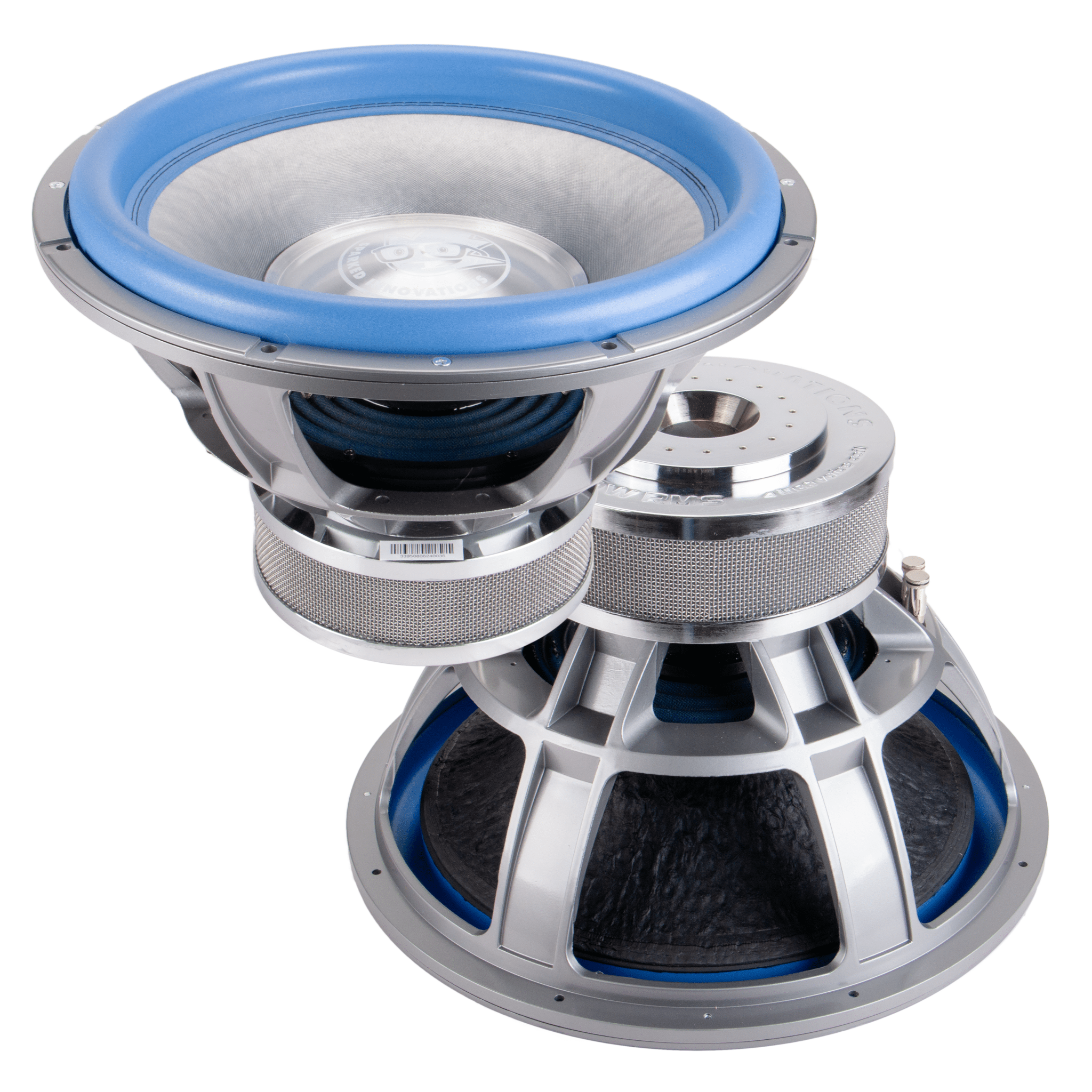
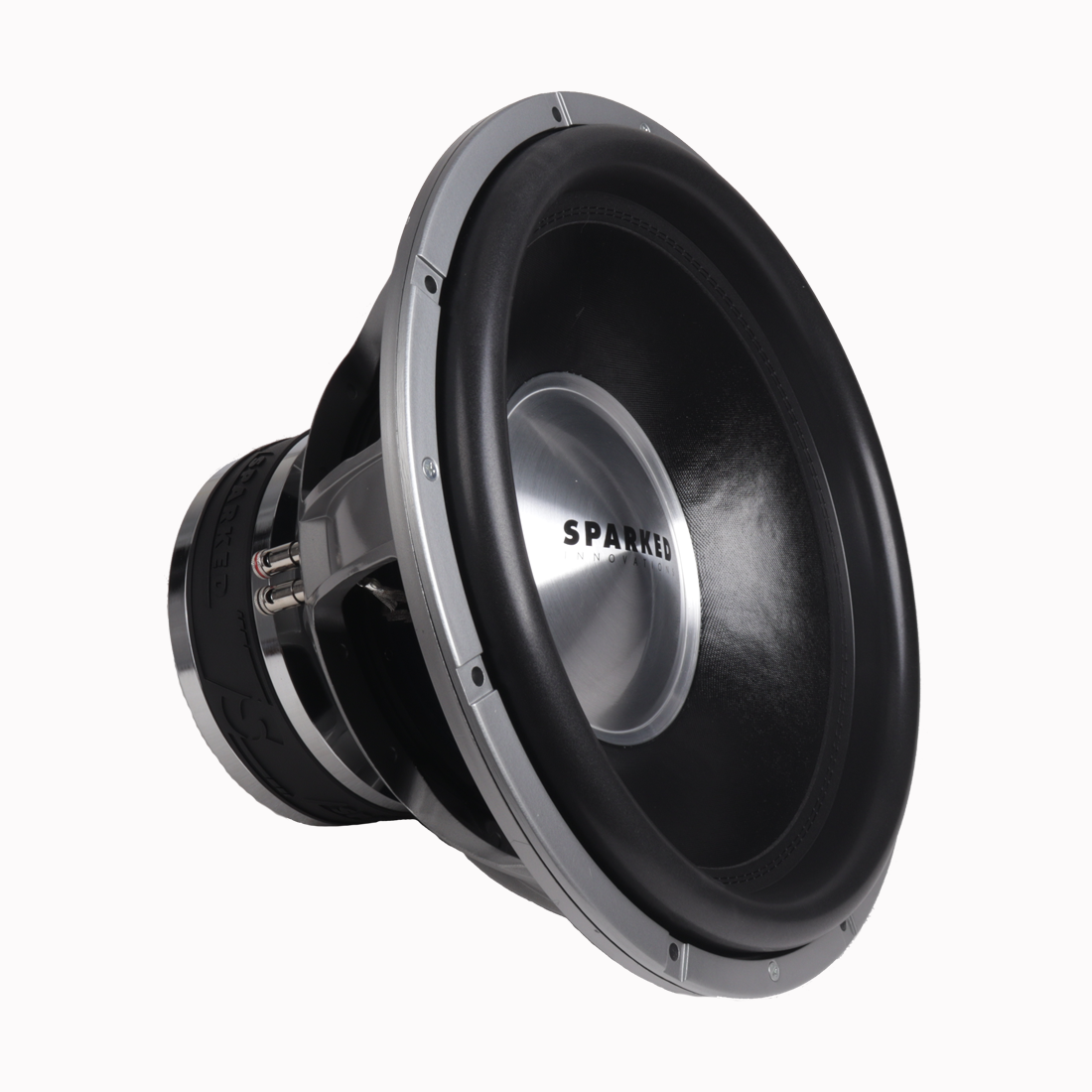
An 18-inch subwoofer simply gives you a massive surface area (Sd). Moving a high volume of air with minimal cone travel (excursion) allows these drivers to easily reproduce subterranean frequencies (20Hz-30Hz) with incredibly low distortion. Finding the best 18 inch subwoofer requires matching the driver's electromechanical parameters to your available cabin space and amplifier output.
1. Cone Area vs. Thermal Power Handling
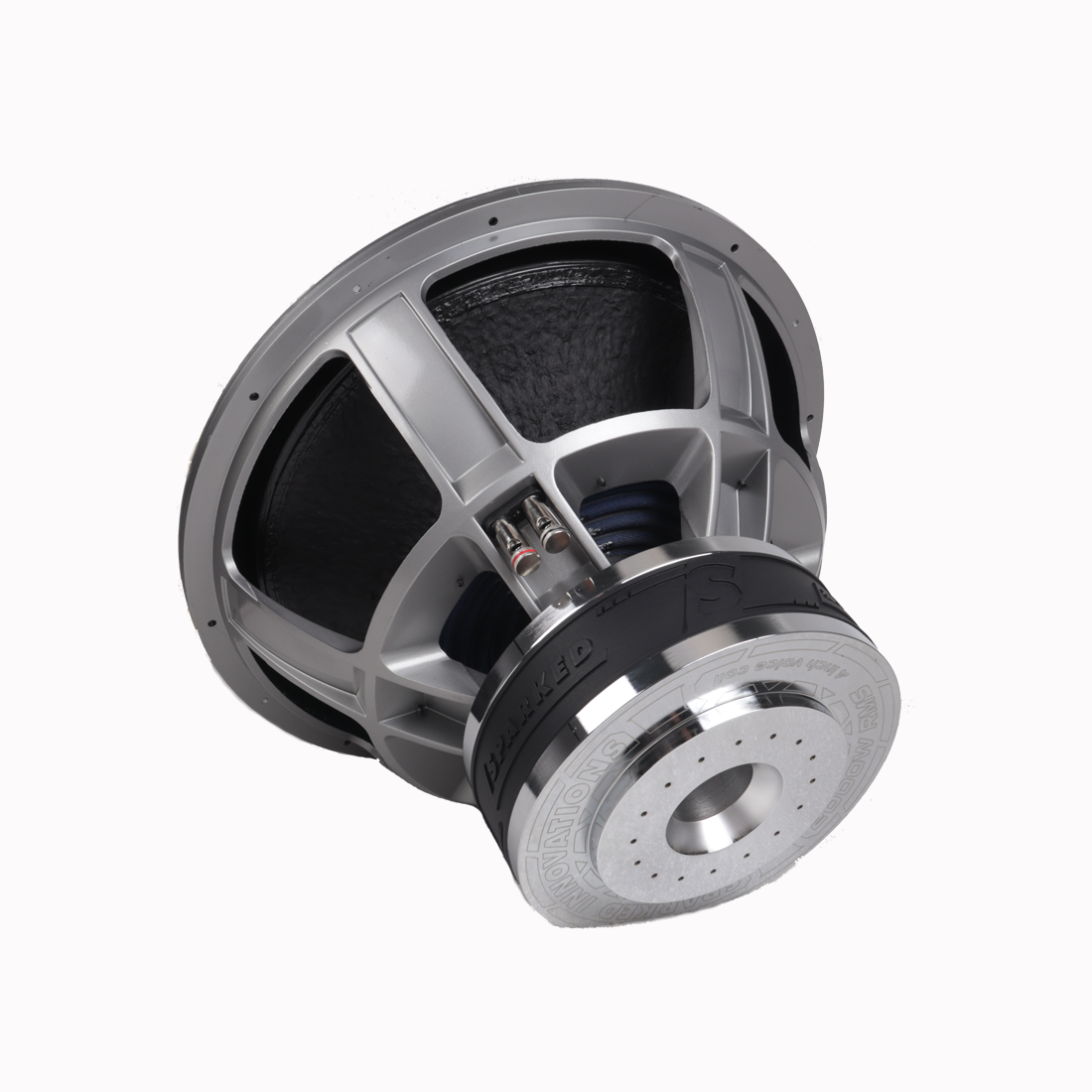
Do not confuse the size of the cone with the size of the voice coil. The voice coil dictates how much RMS wattage the subwoofer can thermally dissipate before melting. You can purchase a highly efficient 18 inch subwoofer rated for 500W RMS. Because of its massive cone area, it will generate higher SPL (Sound Pressure Level) on those 500 watts than a 10-inch subwoofer receiving the exact same power. Conversely, if you choose a competition-grade 18 with a 4-inch voice coil and a massive motor structure (high BL), you will need 3000W+ RMS to properly drive it.
2. The Vas Problem: Enclosure Volume Requirements
You cannot cheat acoustic physics. 18-inch subwoofers generally have a very high Equivalent Compliance Volume (Vas). To achieve a flat frequency response and hit their natural resonant frequency (Fs), they require massive enclosures. A standard ported box for an 18-inch sub requires 5 to 7 cubic feet of net internal air space.
If you choke an 18-inch driver in a box that is too small, the system's Qtc skyrockets. The suspension stiffens, the low-end extension dies, and the output becomes peaky and uncontrolled. If you cannot sacrifice the cargo space, do not buy an 18. Alternatively, many audiophiles utilize 18-inch drivers in Infinite Baffle (IB) configurations—mounting the subwoofers to a reinforced baffle that seals the trunk from the cabin, using the entire trunk as the enclosure to achieve unparalleled Sound Quality (SQ).
3. The "Slow Bass" Myth and Inductance (Le)
There is a persistent myth that 18-inch subwoofers are "slow" and cannot play fast rock or metal. A subwoofer does not dictate speed; the frequency of the audio signal does. The perceived "slowness" or muddiness of an 18 is almost always caused by two factors: a poorly tuned ported enclosure with high group delay, or a subwoofer with extremely high voice coil inductance (Le). High inductance acts as a low-pass filter, rolling off the upper bass frequencies and making the sub sound disconnected from your mid-bass speakers. If you want an 18 to sound tight and musical, look for a driver with low inductance and put it in a properly modeled enclosure.
Frequently Asked Questions About 18" Subs
Do I need to upgrade my alternator to run an 18-inch subwoofer?
No, the cone diameter does not dictate your electrical requirements; your amplifier does. If you run a high-efficiency 500W RMS 18-inch subwoofer, a standard factory electrical system can easily support it. However, if you choose a massive 3000W RMS 18-inch subwoofer, you must upgrade your alternator and battery bank to prevent voltage drop and catastrophic amplifier clipping.
Are 18-inch subwoofers good for Sound Quality (SQ)?
Yes. Because an 18-inch cone has so much surface area, it barely has to move to generate the same acoustic output as a 12-inch sub moving at maximum excursion. Less mechanical movement means significantly lower harmonic distortion. When placed in a properly sized sealed or Infinite Baffle configuration, an 18 can be one of the most accurate and musical drivers in car audio.