
18" Subwoofers
11 products
Showing 1 - 11 of 11 products
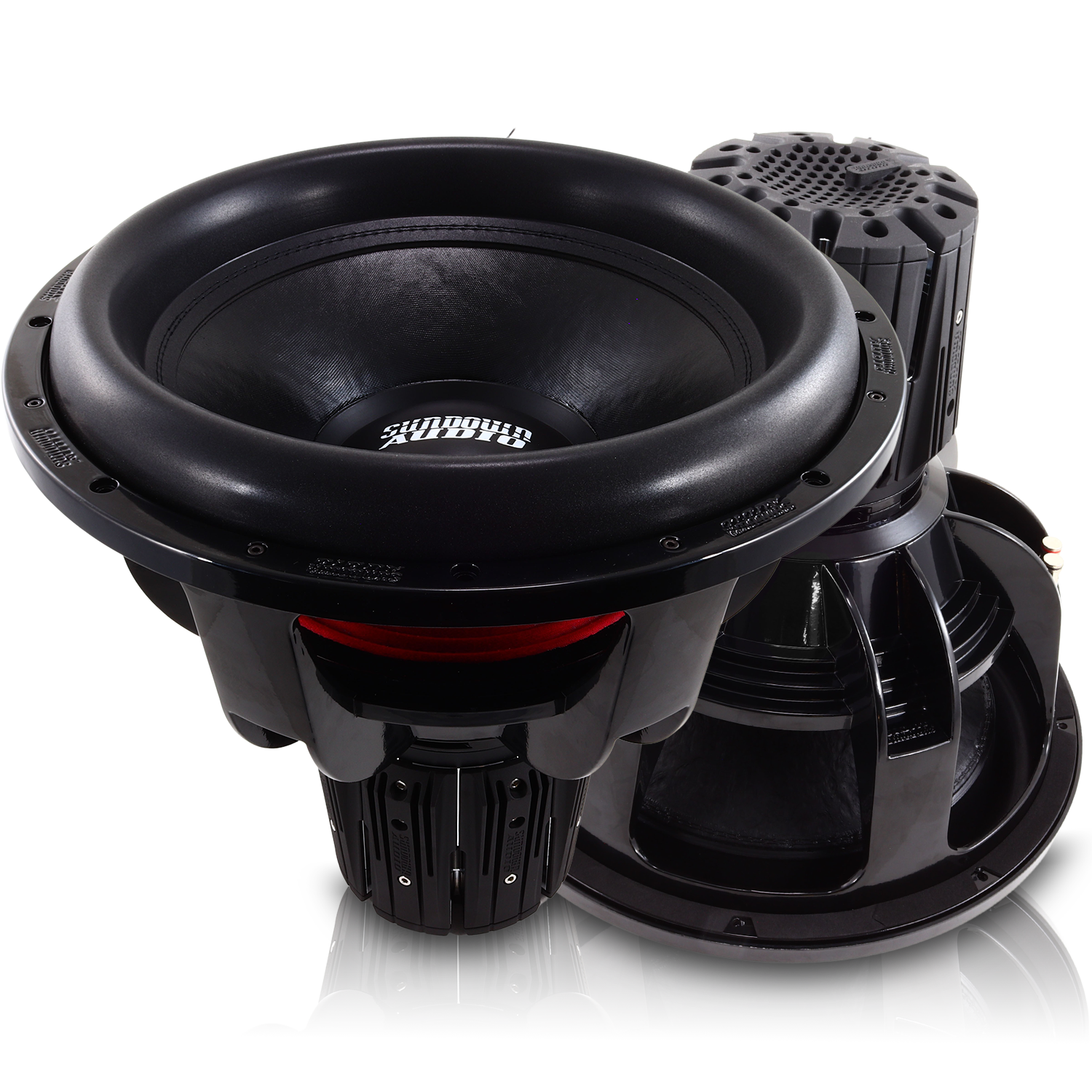
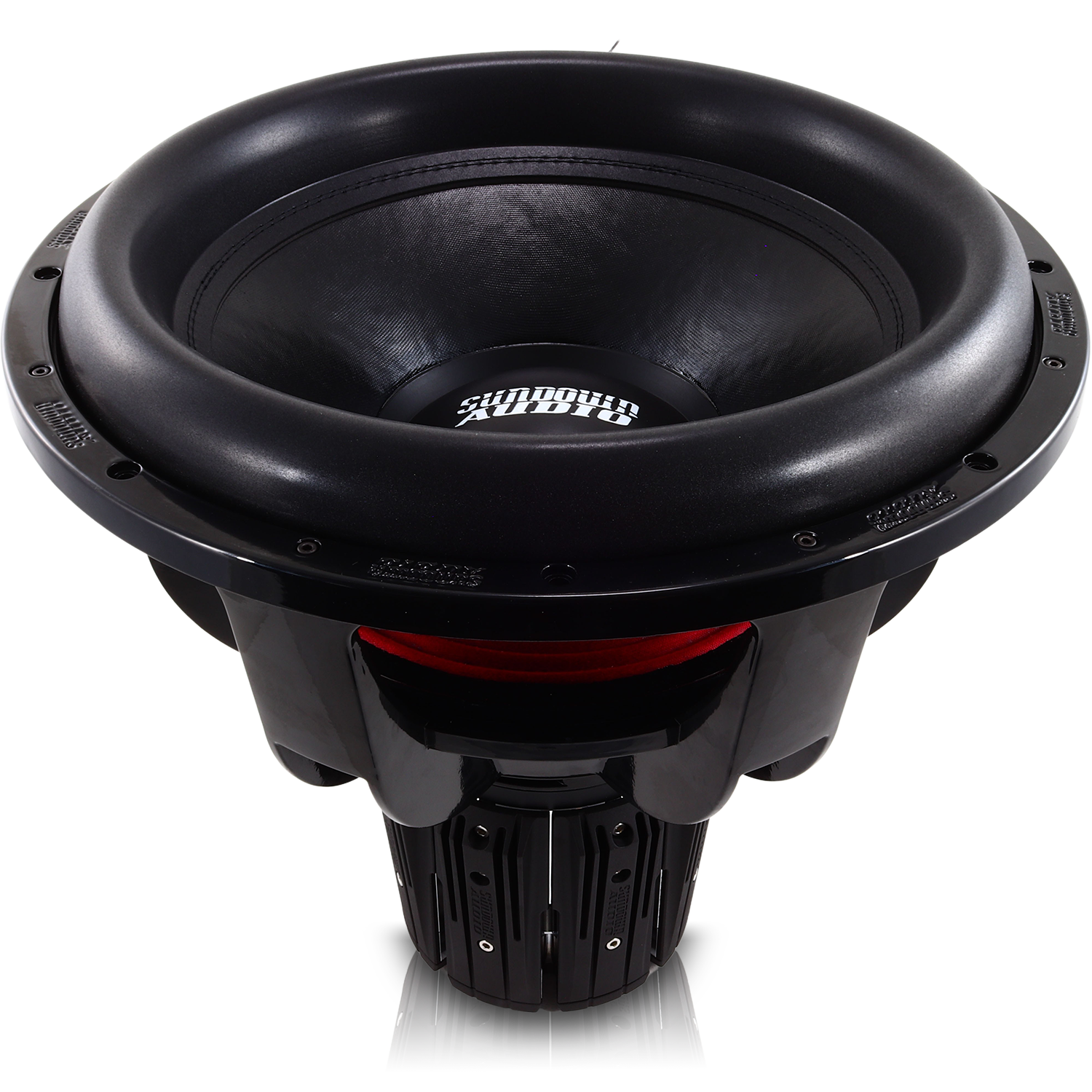
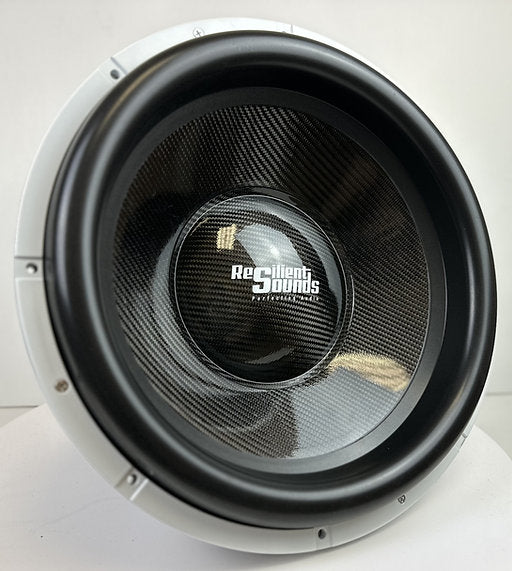
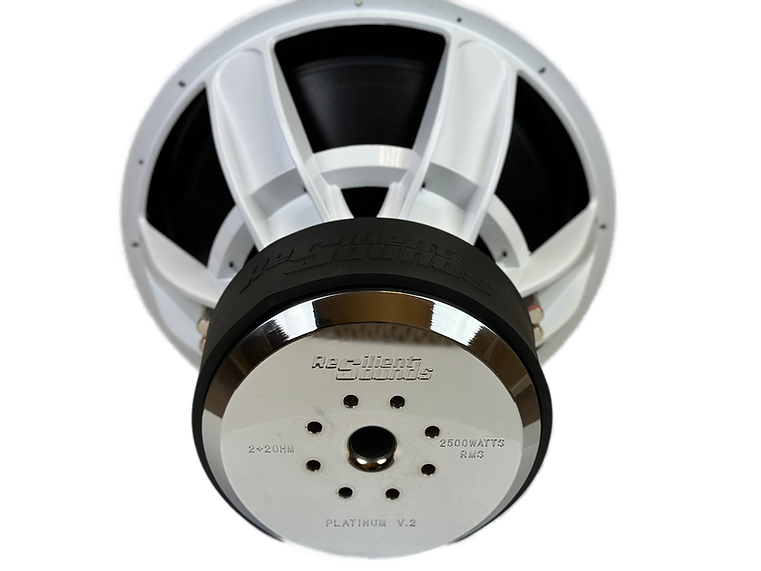
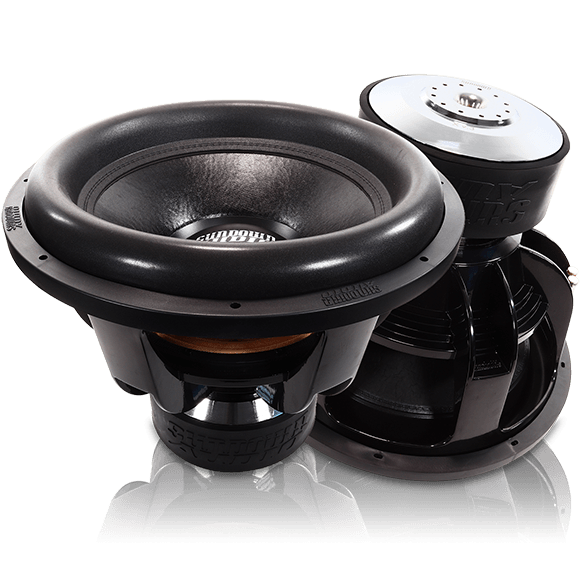
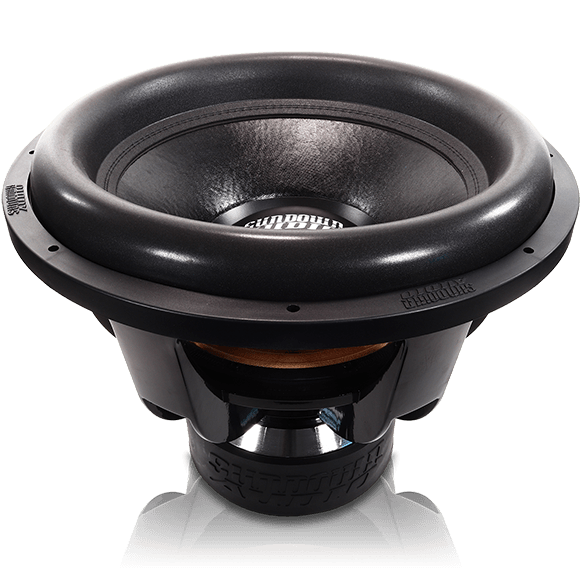
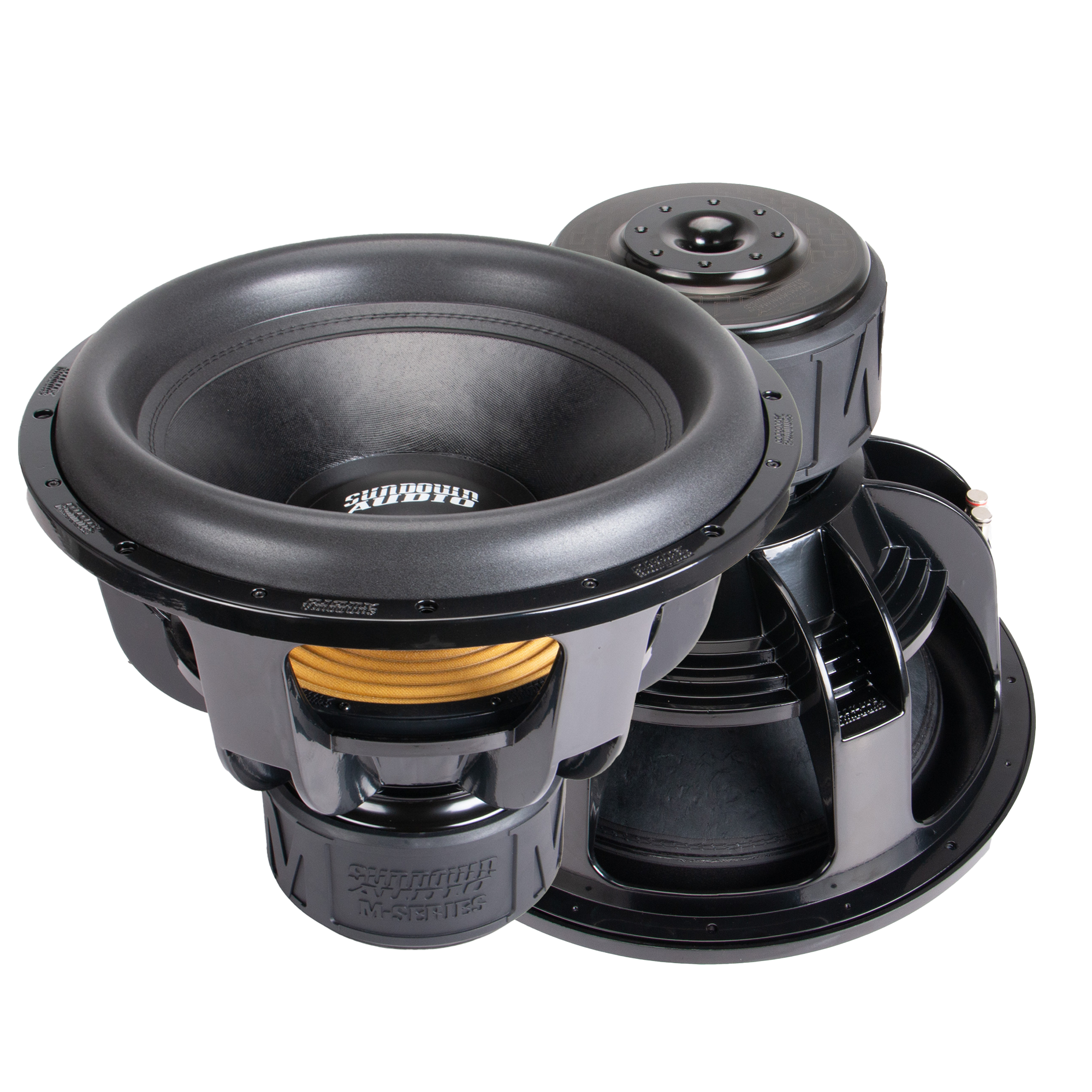
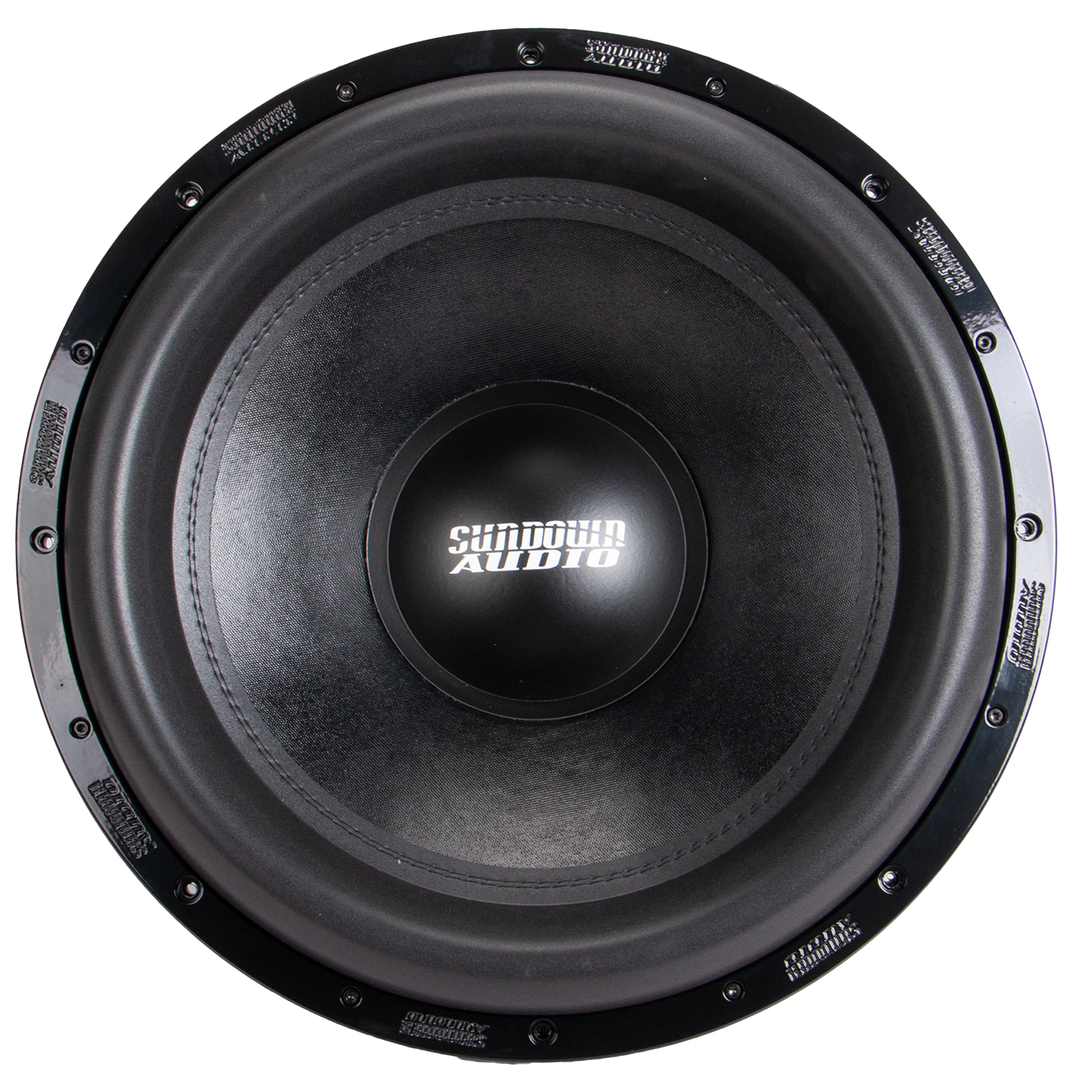
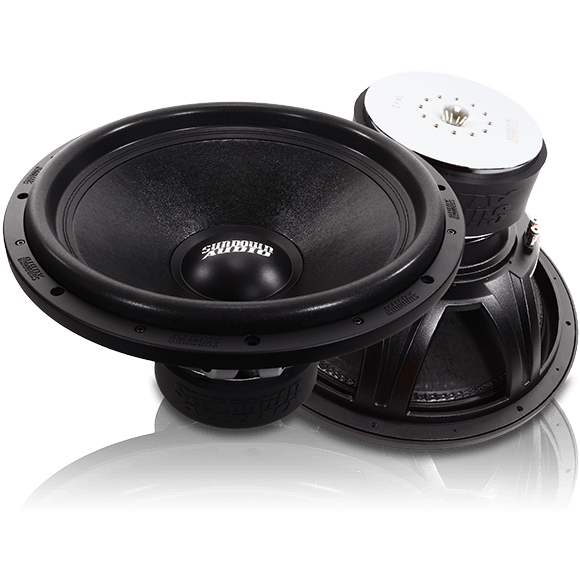
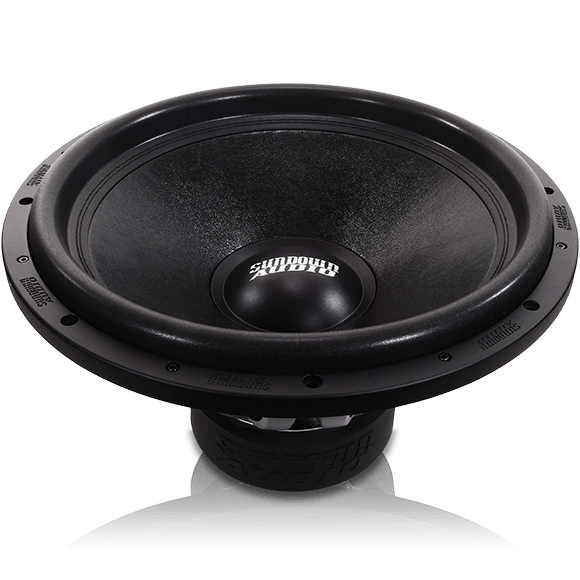
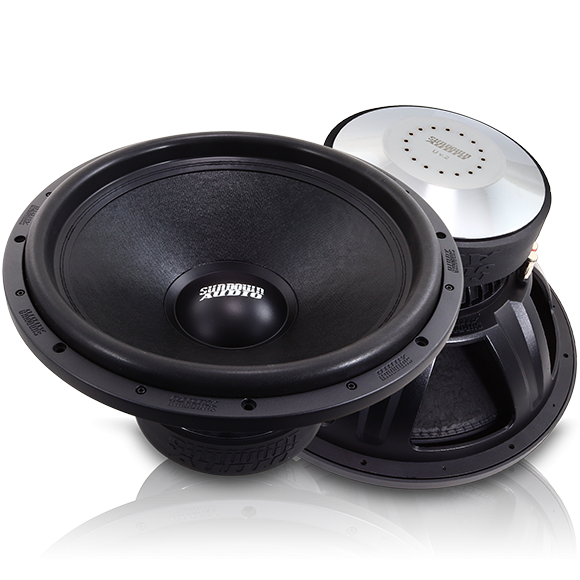
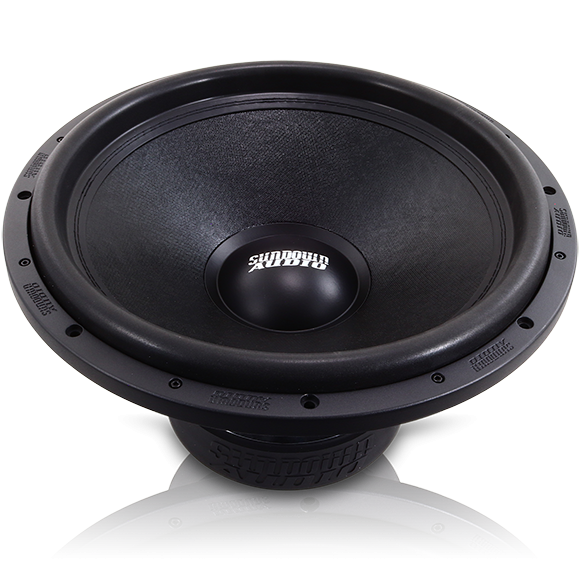

The 18-Inch Mandate: Cone Area Is the Strategy
Every size class in car audio exists to answer one question. For the 18-inch, the answer is displacement. The Sundown SA-18 v.2 runs the same 19 mm of one-way Xmax as its 15-inch sibling — yet sweeps roughly 47% more air per stroke, purely on cone area. Same excursion budget, half again the output potential. That is the entire engineering argument for the class: when the program material lives in the bottom octave and the goal is moving the air in the cabin rather than tickling it, cone area is the cheapest watt you will ever buy.
The price is paid in two currencies the rest of this guide is built around: enclosure volume (the published recommendations for this collection's competition tier cluster at seven cubic feet — a number that consumes a trunk) and amperage (the power-handling ladder here runs 1,000 to 3,500 W RMS, and the electrical system pays for every watt of it).
The Electrical Gate Comes First
An 18-inch build is an electrical project with a speaker attached. A useful field rule: at realistic Class-D efficiency on a nominal 12-volt rail, every 1,000 W RMS of amplifier load pulls on the order of 100 amps at full tilt. The middle of this collection — the 2,000 W RMS drivers — is a ~200 A peak draw; the Nightshade NS-18 v.6 at 3,500 W RMS asks for more current than most vehicles' entire stock electrical system can produce. Stock alternators top out around 130–150 A with the engine's own loads already on them.
Plan the electrical before the woofer ships: a high-output alternator for anything at or above 2,000 W RMS, 1/0 AWG OFC power and ground runs, and supplemental energy storage — AGM second battery or LTO (lithium-titanate) bank — to hold voltage under sustained load. The test that matters is voltage at the amplifier under load: below ~12.5 V, your electrical system is the bottleneck, not your subwoofer.
Reading RMS Power Honestly — 18-Inch Edition
The discipline from our 12-inch guide carries unchanged: peak power is what a driver survives for milliseconds; RMS is what it dissipates continuously without cooking the voice coil. The published RMS ladder across this collection:
- Sundown SA-18 v.2 — 1,000 W RMS (D2/D4)
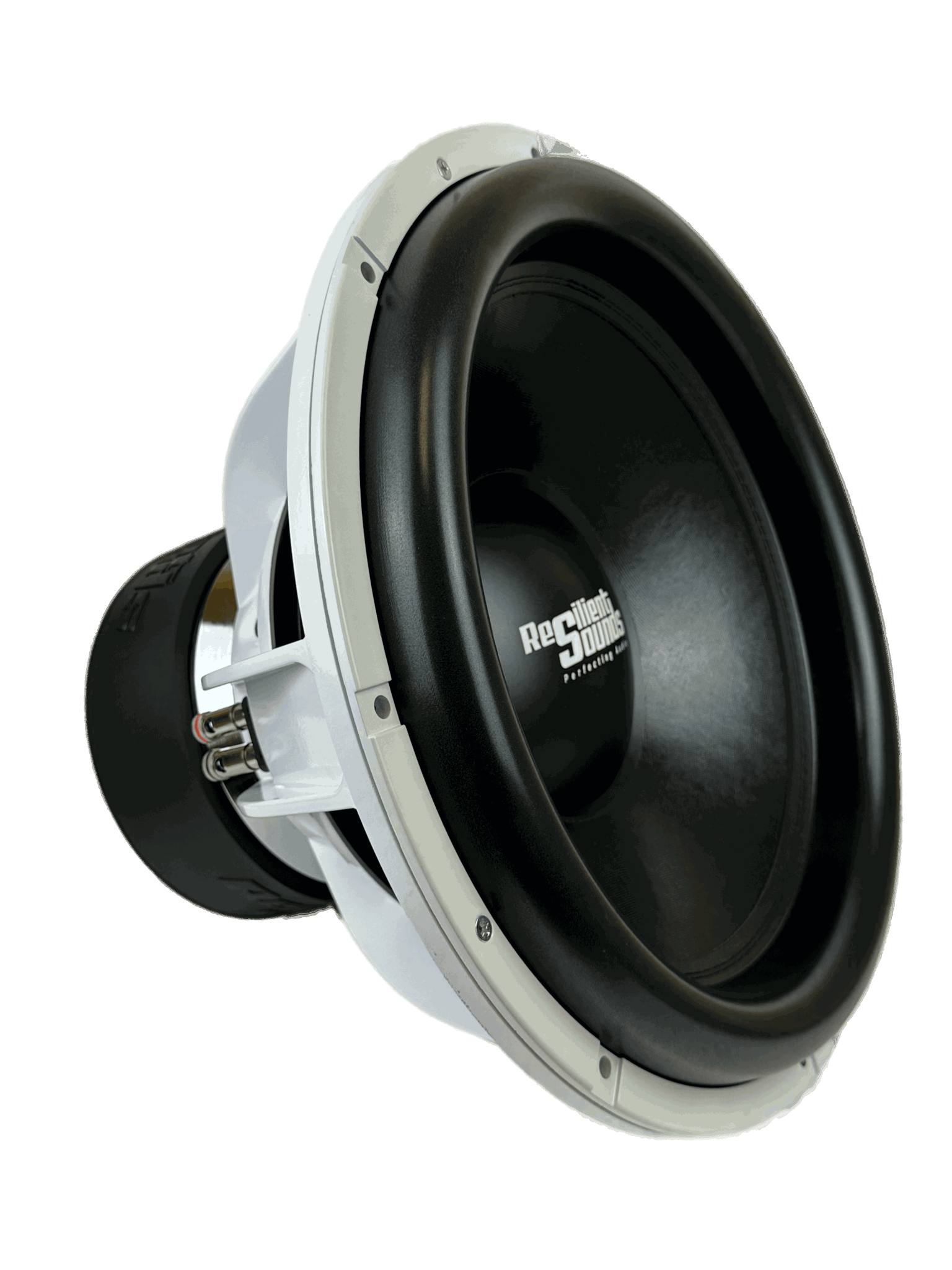
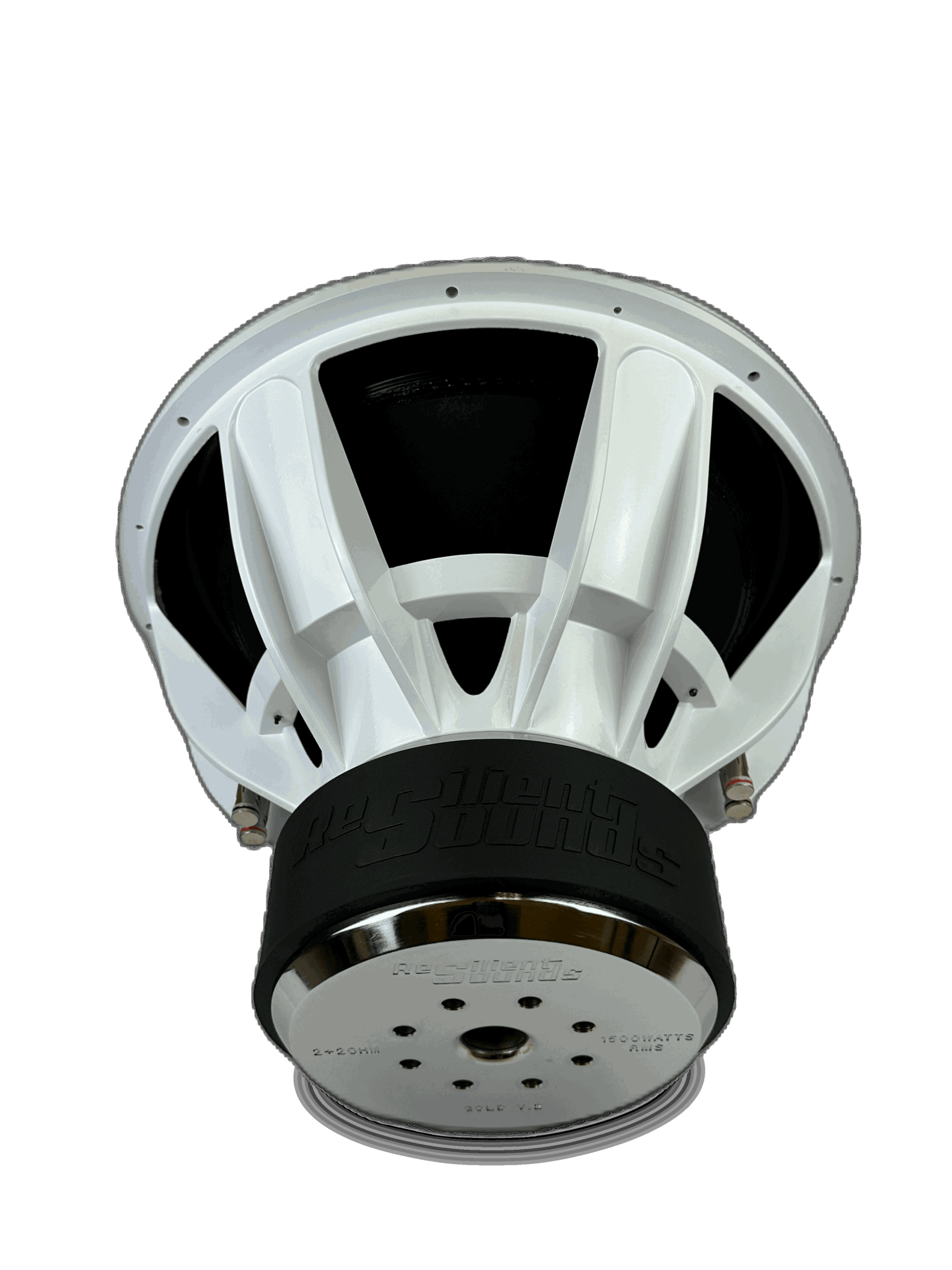
- Resilient Sounds GOLD 18 v.2 — 1,500 W RMS
- Sundown U-18 v.2 — 1,750 W RMS (D2/D4)
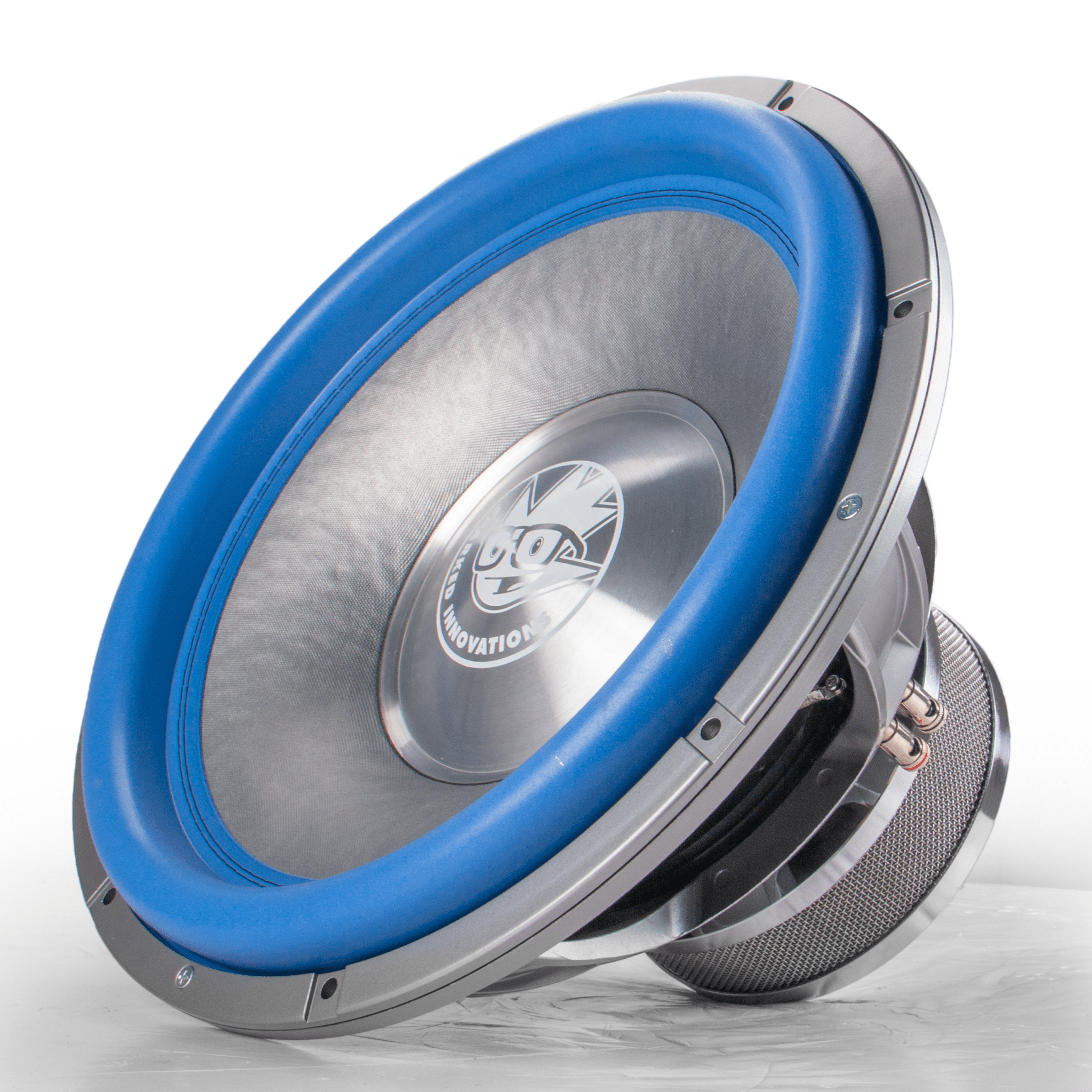
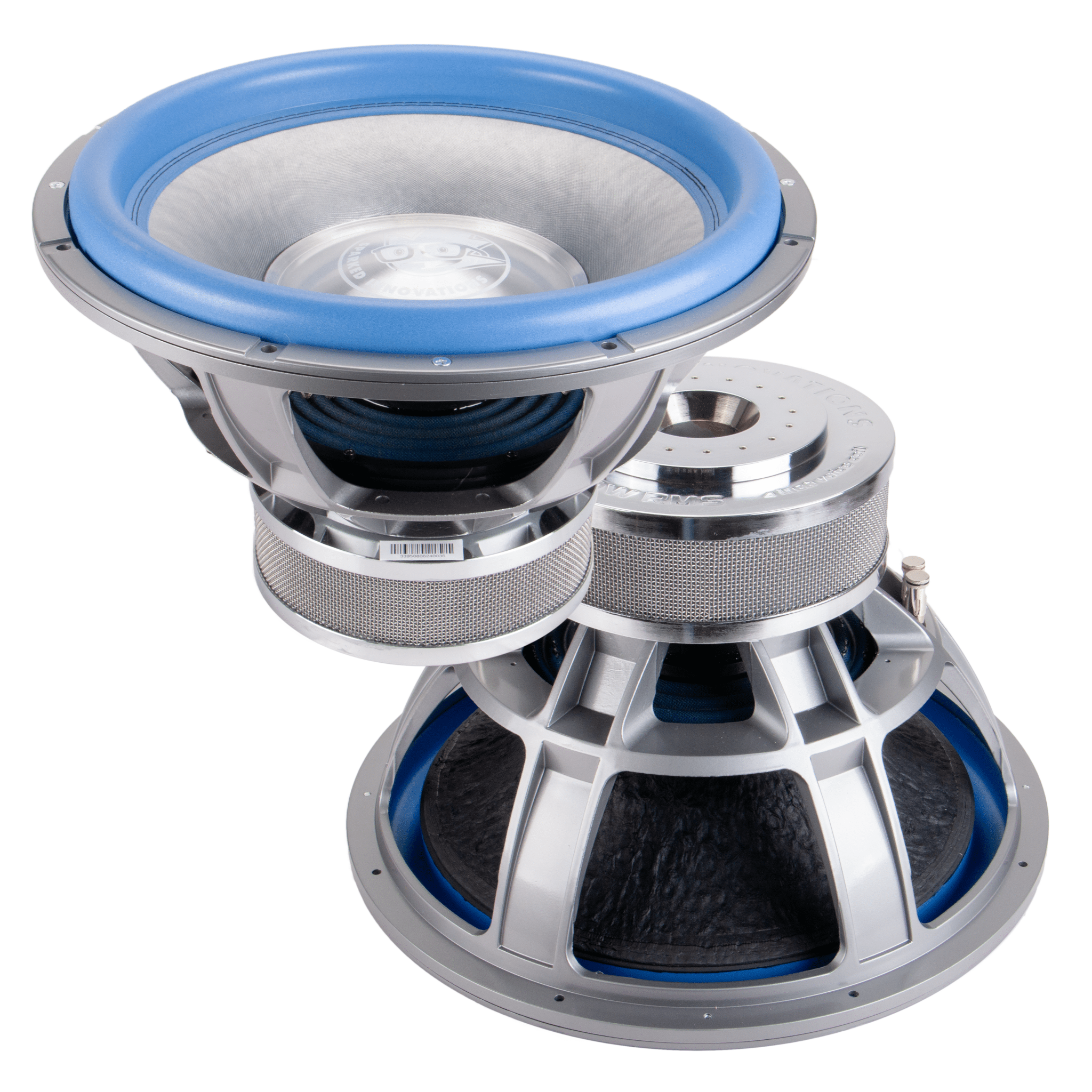
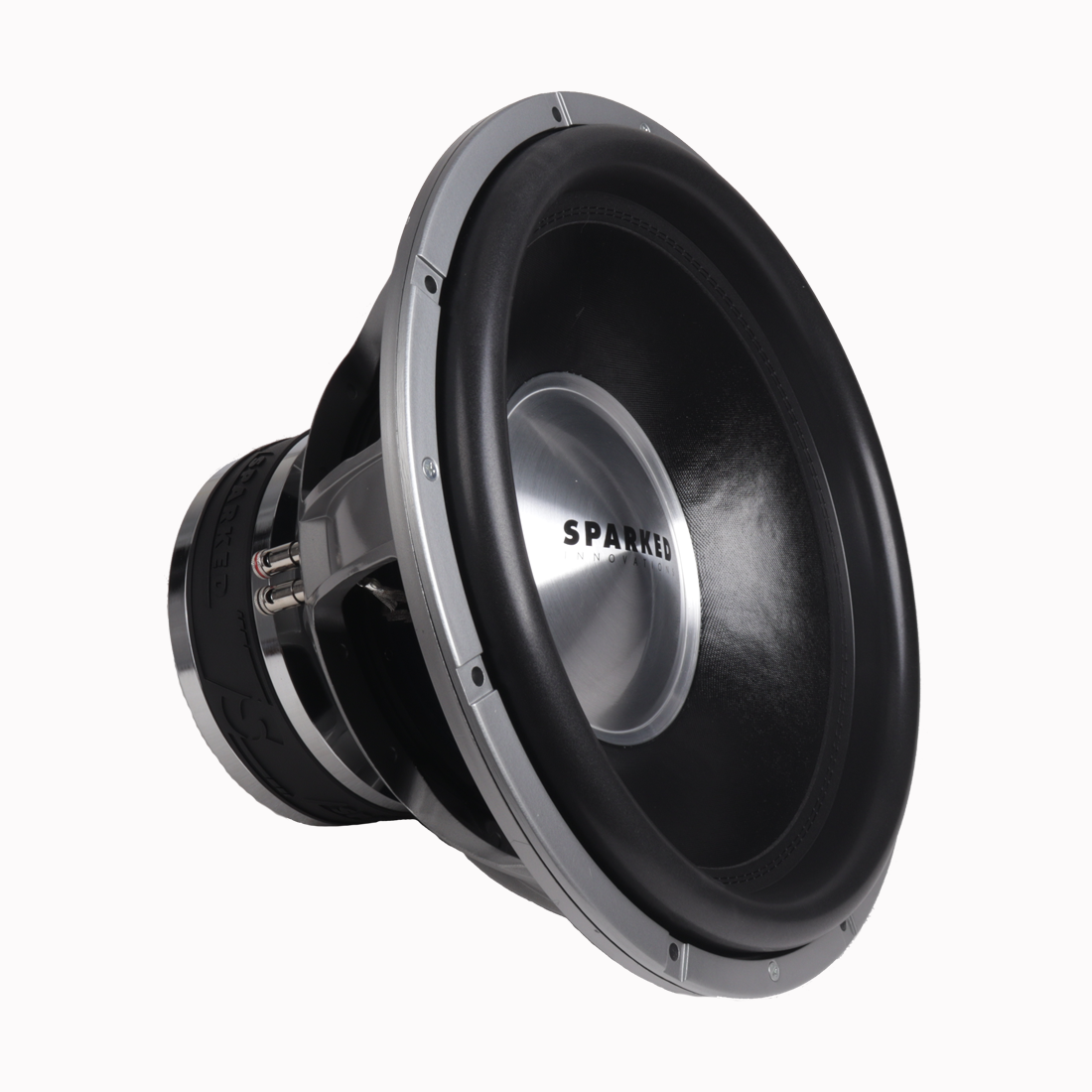
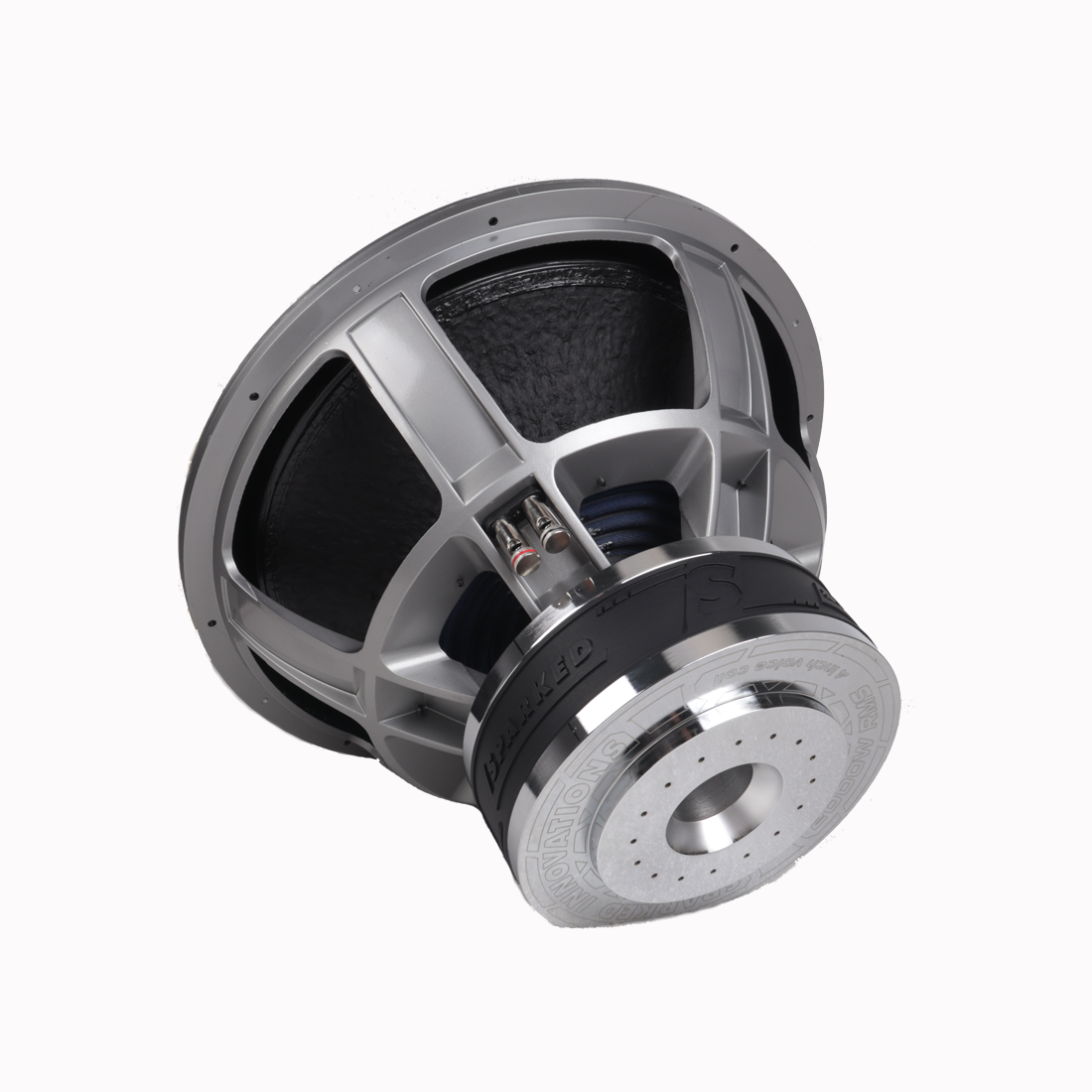
- Sparked Innovations 18″ SQL-2000 and 18″ Bass Blaster SQL — 2,000 W RMS (D2/D4)
- Sundown X-18 v.3 — 2,000 W RMS (D1/D2)
- Sundown M-Series M18 — 2,000 W RMS / 4,000 W peak (D1/D2)
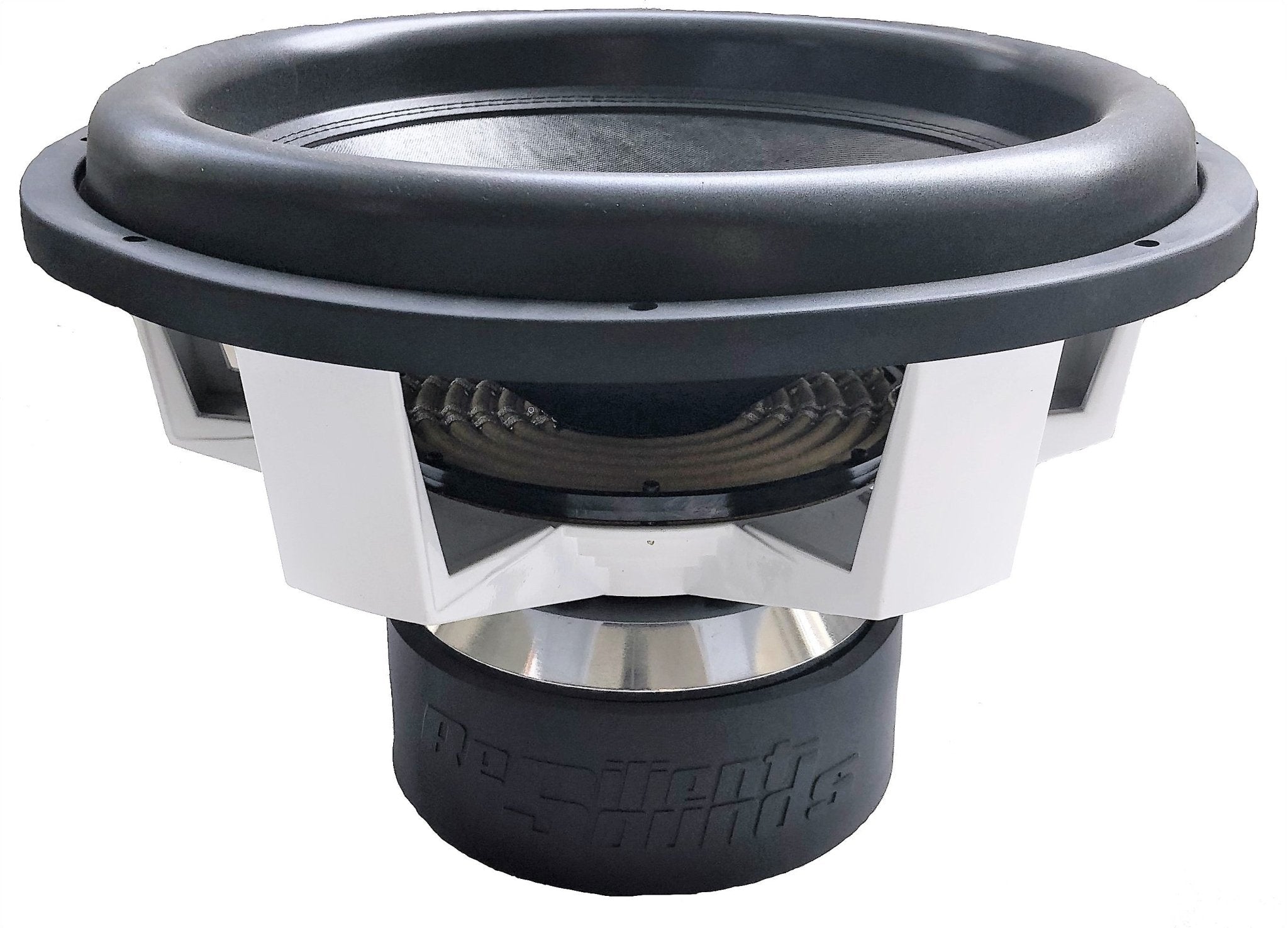
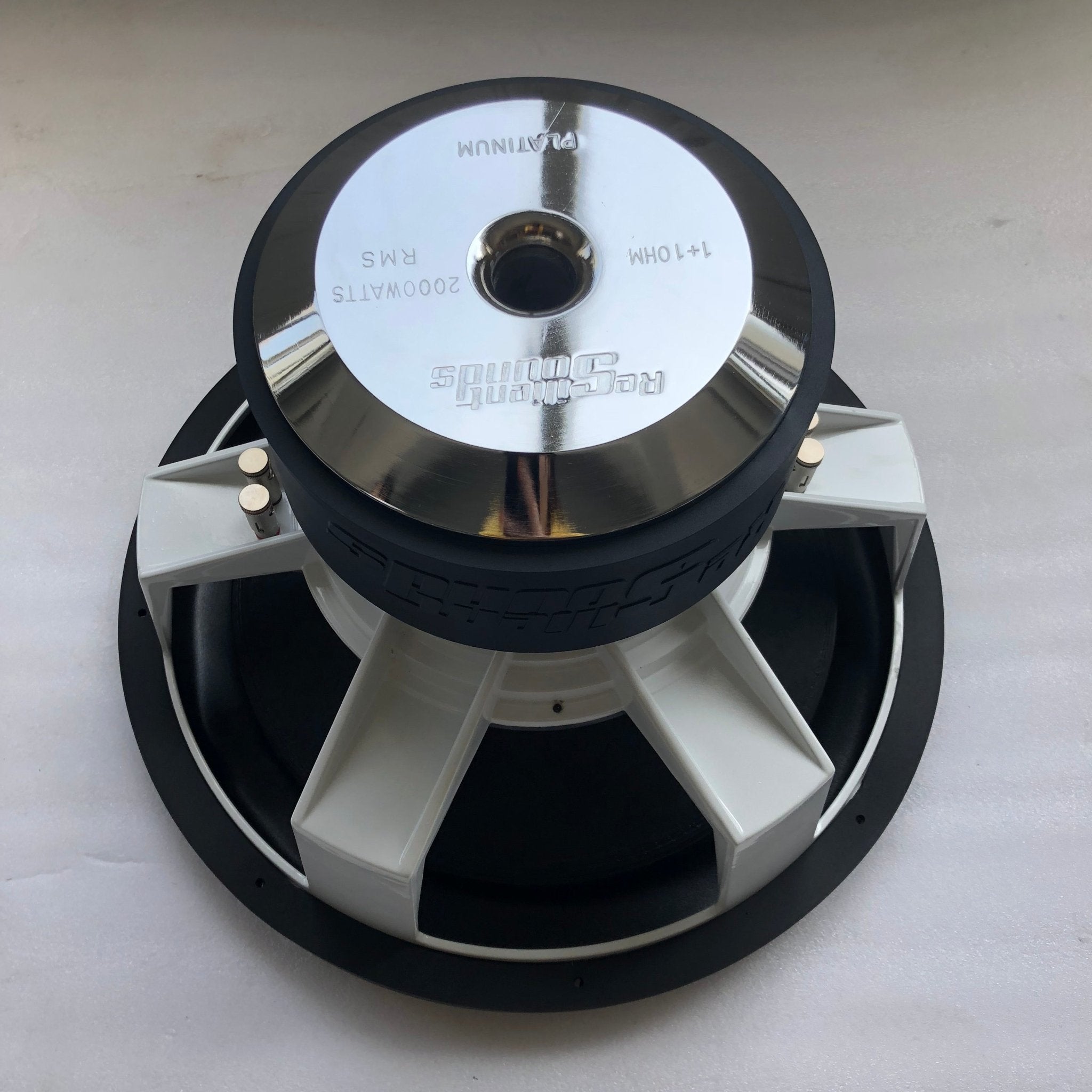
- Resilient Sounds RS Platinum 18 — 2,000 W RMS / 4,000 W peak, conservatively rated
- Resilient Sounds Platinum V2 18 — 2,500 W RMS / 5,000 W peak, conservatively rated
- Sundown Nightshade NS-18 v.6 — 3,500 W RMS / 7,000 W peak
Pair amplifier RMS to 80–100% of driver RMS on a clean, unclipped signal. At this power tier the old warning compounds: a clipped 2,000-watt signal carries more heating duty than a clean 2,500-watt one, and 18-inch voice coils are expensive.
Enclosure Physics: Seven Cubic Feet Is the Entry Fee
Where the 12-inch class anchors at 1.75 cu ft ported, the 18-inch competition tier publishes a remarkably consistent target — and it is not optional trunk furniture:
- Sundown X-18 v.3: 7.00 cu ft net ported, tuned to 32 Hz, 112 in² of port area. Sealed listed N/A. Sundown notes the X-Series will run in up to a 50% larger enclosure for deeper extension.
- Sundown M18: 7.0 cu ft ported at 32 Hz, 112 in² port area; sealed not recommended. (Sundown also publishes a full 4th-order bandpass spec for this driver: 3.0 cu ft sealed side / 9.0 cu ft ported side / 180 in² port.)
- Sundown NS-18 v.6: 7 cu ft net ported at 32 Hz, 100 in² port area; sealed not recommended.
- Resilient Sounds Platinum V2 18: 4–6 cu ft per sub, tuned 28–33 Hz, at 12–16 in² of port area per cubic foot.
Three rules carry over from the smaller classes with the stakes raised:
- Net means net. These drivers displace 0.23–0.27 cu ft themselves before port and bracing volume. A "7 cu ft" build measured outside the box can land a full cubic foot short inside.
- Port area scales with excursion. The 112 in² figures exist because drivers sweeping 30–35 mm of one-way Xmax move enormous air through the vent. Undersized ports chuff audibly and compress output exactly where you bought the 18 to perform.
- The tuning consensus is 32 Hz. Three different Sundown platforms publish the same number for daily-format ported builds — extension to the high-20s with cone control intact. Tune lower only with the manufacturer's blessing for that specific driver.
Motor Topology, As Published
This collection's product pages document their motors in unusual detail, and the published record is worth reading before the spec-sheet numbers:
- The SA-18 v.2 carries a large aluminum Faraday ring ("to reduce distortion and deliver smoother response," per its page), a vented magnetic gap, and a 2.75″ coil the page credits with outperforming most 3″ designs without the added moving mass. Its full Klippel parameter set (Fs 29.05 Hz, Qts 0.372, Vas 114 L on the D2) passed our internal physics consistency audit.
- The U-18 v.2 runs a thick set of shorting rings "inside the magnets and on the pole cap," doubling as heat sink and airflow guide, plus an extended pole piece — and is explicitly optimized for small ported or bandpass enclosures.
- The NS-18 v.6 pairs an extended shorting ring with an eight-layer voice coil on a neodymium motor, with a dedicated air-exchange cooling path. At 35 mm Xmax and 723 g of moving mass (D1), it is the heaviest-hitting motor in the collection.
- The X-18 v.3 takes the displacement route: triple-stacked magnets, a hyper-extended pole piece, 3″ coil, 30 mm Xmax, and the lightest moving mass of the competition tier (474 g, D1) — the recipe behind its small-ported-box, deep-bass design brief.
- The house SQL-2000 18″ is built around a Jacob Fuller-designed motor: an aluminum shorting pole cap, flared velocity heat-vents, dual 9.25″ ferrite slugs, and a 4-layer four-inch coil pushing nearly a kilogram of moving mass (995 g, D2) to 21.5 mm of gap-geometry Xmax (42 mm Xmech). The RS Platinum 18 brings an FEA-optimized triple-stack motor with an aluminum shorting ring and an 8-layer flat-wire aluminum coil.
The pattern: every documented motor in this class manages flux and heat with conductive rings or caps somewhere in the structure — what differs is scale and placement, and that is a deliberate design axis we'll treat in depth in a dedicated inductance analysis.
The Catalog, Sorted by Intent
- Daily anchor: SA-18 v.2 — 1,000 W RMS, 19 mm Xmax, D2/D4. The proven platform for a single-amp build that wants bottom-octave authority without re-engineering the vehicle.
- High-output daily: U-18 v.2 (1,750 W, small-ported/bandpass brief) and the house SQL-2000 / Bass Blaster SQL pair (2,000 W, 21.5 mm Xmax, D2/D4) — the step where the electrical-system conversation becomes mandatory.
- Competition displacement: X-18 v.3 (30 mm Xmax, lightest cone in the tier), M18 and Platinum V2 (35 mm Xmax), and the NS-18 v.6 at the top of the ladder (3,500 W RMS, 35 mm Xmax, neodymium).
Coil logic follows the tiers: the competition Sundowns ship D1/D2 — wire a D2 parallel to 1 Ω for a full-power monoblock load, or D1 series to 2 Ω. The daily tier ships D2/D4 — D2 parallel hits 1 Ω, D4 parallel hits 2 Ω. Pick the coil for the amplifier you own, not the other way around; mismatching the load by a step costs roughly half your rated power.
Sources and Verification
Every parameter above is sourced from the published product pages in this collection (Sundown Audio, Resilient Sounds, and Sparked Innovations listings, captured 2026-06-07) and Sundown Audio's current manufacturer pages. The SA-18 v.2 Thiele-Small set was additionally verified for internal physical consistency (compliance/volume cross-check within 2.3%).
What this guide deliberately doesn't cite
We don't publish numbers we can't verify:
- Voice-coil inductance (Le) values. The X-18 v.3's published table leaves its inductance cells blank, and our audit flagged the SA-18 v.2's database figure as a cross-class duplicate pending re-verification. Inductance behavior in large-format motors deserves its own treatment — coming separately rather than half-cited here.
- Recommended enclosure specs for the SQL-2000 and Bass Blaster SQL 18″. Confirm current factory recommendations on the product pages or contact us before cutting wood.
- X-18 v.4. Sundown's newest X-platform revision is not part of this collection's published catalog; this guide covers the X-18 v.3 we actually stock.
If you're building around one of these drivers and need a number we don't list, reach out for an authorized-dealer consultation.